







Prime Minister Narendra Modi on Thursday announced that the Centre will set up fast-track courts to ensure the speedy trial of and stringent punishment to those involved in paper leak cases, saying that “nothing
is more important than the welfare and future of our youth”. The announcement comes amid mounting outrage over the NEET paper leak controversy and demands for tougher action against those accused of compromising competitive examinations.
But what exactly are fast-track courts? How are they different from regular courts? And will they help deliver quicker justice in cases such as the NEET paper leak?
What Did PM Modi Announce?
In a post on X, PM Modi said the government has decided to establish fast-track courts for paper leak cases and has directed the authorities concerned to take all necessary steps.
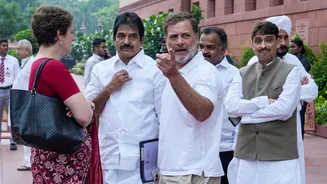
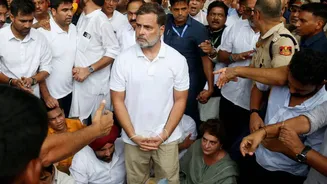
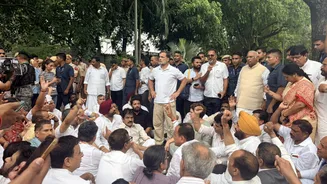
“Nothing is more important than the welfare and future of our youth! We have decided to set up fast-track courts to ensure swift and stringent punishment for those involved in paper leaks. Have directed the concerned authorities and officials to take all necessary steps in this regard. This continues our series of steps for safeguarding the interests of students. Those who try to harm the future of our youth will not be spared,” he said amid raging protests in the national capital over the NEET paper leak and demands by protesters and opposition parties that education minister Dharmendra Pradhan step down.
ALSO READ | Can Attending A Protest Land You In Legal Trouble? Understanding What Indian Law Says
Earlier this week, in his first remarks on the NEET-UG 2026 controversy, PM Modi had described examination paper leaks as a “ghor paap (grave sin)” and stressed that those responsible must face strict punishment.
What Are Fast-Track Courts?
Fast-track courts (FTCs) are special courts created to hear and dispose of specific categories of cases on priority. Contrary to popular belief, they are not separate courts created under a new law, but are regular courts designated to exclusively handle certain types of cases.
They function under the supervision of the high courts and generally have dedicated judges, exclusive case lists, simplified scheduling, continuous hearings with fewer adjournments, and priority over ordinary pending matters.
The objective is simple—reduce delays in justice by ensuring quicker trials and judgments.
Why Were Fast-Track Courts Created?
India first introduced Fast-Track Courts in 2000 following recommendations by the 11th Finance Commission to tackle the growing backlog of criminal cases.
ALSO READ | ‘Do Not Incite Children, Show Them The Right Path’: PM Modi’s Big Message On NEET Paper Leak
Over the years, they have been used for rape cases, POCSO offences involving children, crimes against women, heinous criminal offences, and long-pending criminal trials. In recent years, the Centre has increasingly supported Fast Track Special Courts (FTSCs) dealing specifically with sexual offences.
How Are They Different From Regular Courts?
Regular courts handle all kinds of civil and criminal matters, while fast-track courts handle only specified categories of cases. In regular courts, there is a large case backlog, while FTCs have a smaller, dedicated case list. Apart from this, in FTCs, hearings are held more frequently, given that they are designed for time-bound disposal. Judges, in such courts, focus on priority cases.
Most importantly, fast-track courts do not dilute legal safeguards. They follow the same criminal procedure, evidence rules and appellate process as ordinary courts. The difference lies primarily in priority listing and quicker case management, not in a separate legal standard.
How Many Fast-Track Courts Exist In India?
According to the Ministry of Law and Justice, 880 fast-track courts were functional across 22 states and Union Territories as of December 31, 2025. Separately, 755 fast track special courts (FTSCs), including 410 exclusive POCSO courts, are operational across 30 states and Union Territories.
These FTSCs have disposed of more than 3.5 lakh cases relating to rape and POCSO offences, according to government data.
Will New Courts Be Created For Paper Leak Cases?
The prime minister has announced the government’s intention to establish fast-track courts for paper leak offences, but the operational details are yet to be notified.
The government could choose to designate existing district courts as fast-track courts for paper leak cases; create exclusive fast-track courts in states witnessing a large number of examination-related offences; or assign dedicated judges to exclusively hear these cases.
The exact framework will depend on notifications issued by the Centre and the respective high courts.
How Will This Help The NEET Paper Leak Case?
Paper leak investigations often involve multiple accused, organised crime networks, digital evidence, financial transactions, inter-state conspiracies, and hundreds of witnesses.
Even after investigation is complete, trials in ordinary courts can stretch for years because of heavy pendency.
Fast-track courts are intended to prioritise paper leak prosecutions, reduce waiting time before trial, conduct hearings continuously, minimise unnecessary adjournments, and ensure quicker judgments.
The government’s expectation is that swift convictions and punishment will also act as a deterrent against future examination fraud.
PM Modi’s announcement marks the government’s strongest legal response yet to the growing concern over paper leaks, particularly after the nationwide outrage over the NEET controversy. While fast-track courts cannot guarantee immediate convictions, they are designed to ensure that such cases are heard on priority, decided faster and send a stronger deterrent message than ordinary criminal proceedings.