








Ganesh Chaturthi Recipe: Ganesh Chaturthi is one of the most widely celebrated Hindu festivals dedicated to Lord Ganesha, the deity associated with wisdom, prosperity and auspicious beginnings. In 2026,
Ganesh Chaturthi will be celebrated on Monday, September 14, during Shukla Paksha Chaturthi in the Hindu month of Bhadrapada.
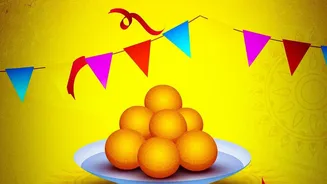
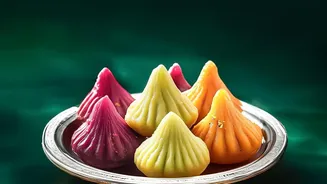
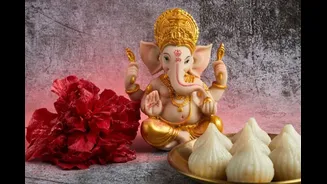
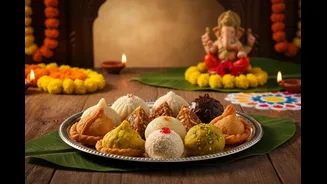
Homes and pandals are decorated with idols of Lord Ganesha, while devotees offer prayers, flowers, fruits and traditional sweets. Among the most beloved offerings is Ukadiche Modak, a steamed rice-flour dumpling filled with jaggery and coconut.
Considered a favourite offering for Lord Ganesha, these soft and aromatic modaks are an essential part of many Ganesh Chaturthi celebrations.
Ganesh Chaturthi 2026: Date and Puja Muhurat
Ganesh Chaturthi will be observed on Monday, September 14, 2026.
The festival falls on the Chaturthi Tithi of Shukla Paksha in the Hindu month of Bhadrapada and traditionally marks the birth of Lord Ganesha.
Read More: When Is Ganesh Chaturthi 2026? Date, Muhurat, Rituals, Story And Wishes
The Chaturthi Tithi and puja timings for Ganesh Chaturthi 2026 are:
- Chaturthi Tithi begins: 7:06 AM on September 14, 2026
- Chaturthi Tithi ends: 7:44 AM on September 15, 2026
- Madhyahna Ganesha Puja Muhurat: 11:02 AM to 1:31 PM
- Puja duration: 2 hours 28 minutes
The Madhyahna period, or midday, is considered especially auspicious for Ganesh Puja because Hindu tradition associates Lord Ganesha’s birth with this period.
Why Are Modaks Offered to Lord Ganesha?
Modak is one of the sweets traditionally associated with Lord Ganesha. It is commonly prepared as a naivedya, or food offering, during Ganesh Chaturthi.
Among the different varieties of modak, Ukadiche Modak is particularly popular in Maharashtra. The word “ukadiche” refers to the steaming process used to cook the modaks.
Read More: Ganesh Chaturthi 2026: 10 Things To Buy Before Welcoming Ganpati Bappa Home
These modaks have a soft rice-flour covering wrapped around a sweet filling of fresh coconut and jaggery. Cardamom is commonly added for fragrance, while some households also use nutmeg, dry fruits or poppy seeds according to their family recipe.
After the puja, the modaks are traditionally distributed as prasad.
Ukadiche Modak Recipe: Ingredients
For the outer covering
- 1 cup rice flour
- 1 cup water
- 1 teaspoon ghee
- A pinch of salt
- For the coconut-jaggery filling
- 1 cup freshly grated coconut
- ¾ cup grated or powdered jaggery
- ½ teaspoon cardamom powder
- 1 teaspoon ghee
- 1 tablespoon finely chopped dry fruits, optional
- A small pinch of nutmeg powder, optional
For steaming
- Water as required
- A steamer or deep vessel with a steaming rack
- Banana leaf or parchment paper, optional
How To Make Ukadiche Modak: Step-by-Step
Step 1: Prepare the coconut-jaggery filling
- Heat 1 teaspoon of ghee in a heavy-bottomed pan over low to medium heat.
- Add the freshly grated coconut and jaggery. Stir continuously so the mixture cooks evenly.
- The jaggery will melt and combine with the coconut. Continue cooking until the mixture thickens and most of the excess moisture evaporates.
- Do not overcook the filling, as a very dry mixture can make the filling hard after steaming.
- Add cardamom powder and, if desired, a small amount of nutmeg and chopped dry fruits.
- Mix well and turn off the heat.
- Allow the filling to cool completely before using it.
Read More: Ganesh Chaturthi 2026: How To Choose The Right Size Ganesh Idol For Your Home
Step 2: Prepare the rice-flour dough
- Bring 1 cup of water to a boil in a saucepan.
- Add a pinch of salt and 1 teaspoon of ghee.
- Lower the flame and gradually add the rice flour while stirring continuously.
- Mix until the flour absorbs the water and forms a soft mixture.
- Cover the pan and allow the mixture to rest for a few minutes.
Step 3: Knead the dough
- When the mixture is warm enough to handle, transfer it to a plate or bowl.
- Wet your hands with a little warm water and knead the dough until it becomes smooth, soft and pliable.
- The dough should not be dry or crumbly.
- If cracks appear while shaping the modaks, knead in a little warm water. If the dough feels excessively sticky, add a small amount of rice flour.
- Keep the prepared dough covered with a damp cloth to prevent it from drying out.
Step 4: Divide the dough
- Divide the dough into approximately 10 to 12 equal portions, depending on the size of the modaks.
- Roll each portion into a smooth ball.
- Keep the remaining dough covered while working on individual modaks.
Step 5: Shape the outer covering
- Take one dough ball and flatten it gently between your palms.
- Using your fingers, gradually press the dough outward to form a small, thin disc.
- The centre should remain slightly thicker while the edges are thinner.
- You can also use a rolling pin to make the disc, but avoid making it excessively thin because the covering can tear when the filling is added.
Read More: Ganesh Chaturthi 2026: 10 Eco-Friendly Ganpati Decoration Ideas For Home
Step 6: Add the filling
- Place approximately 1 to 1½ tablespoons of the cooled coconut-jaggery mixture in the centre of the dough disc.
- Avoid overfilling the modak, as excess filling can make the covering difficult to seal.
Step 7: Make the pleats
- Using your fingertips, make small pleats around the edge of the dough.
- Carefully bring the pleats together around the filling and pinch them gently at the top to seal the modak.
- The finished modak should have a pointed or slightly rounded top.
If you are making pleats for the first time, they do not need to be perfectly uniform. The important thing is to seal the filling properly.
Step 8: Steam the modaks
- Prepare a steamer with sufficient water.
- Place the modaks on a greased steaming plate, banana leaf or parchment paper. Leave a little space between each modak.
- Steam them over medium heat for approximately 10 to 15 minutes, depending on their size and the thickness of the covering.
- The outer layer should look slightly glossy and cooked through.
- Turn off the heat and allow the modaks to rest for a few minutes before removing them from the steamer.
Step 9: Finish and serve
For a richer flavour, lightly brush the freshly steamed modaks with ghee.
Place them on a serving plate and offer them to Lord Ganesha during the puja.
The modaks can subsequently be distributed among family members and guests as prasad.
Tips To Make Soft Ukadiche Modaks
Making soft and well-shaped steamed modaks can take some practice. These tips can help:
- Use fresh rice flour: Finely ground, fresh rice flour can help create a smoother covering.
- Get the dough consistency right: The dough should be soft and pliable rather than dry or sticky.
- Knead while warm: Kneading the dough while it is comfortably warm helps make it flexible.
- Keep the dough covered: Rice-flour dough can dry out quickly when exposed to air.
- Cool the filling: Allow the coconut-jaggery filling to cool before stuffing the modaks.
- Avoid excessive filling: Too much filling can cause the outer covering to split.
- Seal the modaks properly: Make sure the pleats meet securely at the top.
- Do not oversteam: Excessive steaming can make the outer covering chewy or dry.
How To Prevent Ukadiche Modaks From Cracking
Cracks in the rice-flour covering are among the most common problems when making Ukadiche Modaks.
If the dough cracks while you are shaping it, lightly wet your fingers with warm water and smooth the affected area.
The dough should contain enough moisture to remain flexible. If it is too dry, it will break while making the pleats.
Keeping the unused dough covered with a damp cloth can also prevent it from drying out.
The coconut-jaggery filling should not be watery. Excess moisture can weaken the covering and cause the modak to split during steaming.
Can You Make Modaks Without a Mould?
Yes. A traditional Ukadiche Modak can be shaped entirely by hand.
Flatten a portion of dough into a small disc and make pleats around the edges using your fingertips. Add the filling and bring the pleats together at the top.
A modak mould is optional. It can make the shaping process quicker and produce more uniform modaks, particularly for beginners.
Ganesh Chaturthi 2026: Moon Sighting Restriction
A significant traditional practice associated with Ganesh Chaturthi is avoiding moon sighting during a specified period on Chaturthi.
According to Hindu belief, seeing the Moon during this period can lead to Mithya Dosha or Mithya Kalank, traditionally associated with false accusations or undeserved blame.
For Ganesh Chaturthi 2026, the period to avoid moon sighting is:
- Start: 9:01 AM on September 14
- End: 8:08 PM on September 14
- Duration: 11 hours 08 minutes
Devotees who follow this tradition can plan their activities accordingly.
Ganesh Chaturthi 2026: When To Offer Modaks
Modaks can be prepared ahead of the Ganesh Chaturthi puja and offered to Lord Ganesha during the worship ritual.
The Madhyahna Ganesha Puja Muhurat is from 11:02 AM to 1:31 PM on September 14.
Devotees can place the freshly prepared Ukadiche Modaks along with other traditional offerings during the puja.
After the religious rituals, the modaks can be shared as prasad.
Frequently Asked Questions
What is Ukadiche Modak?
Ukadiche Modak is a traditional steamed sweet made with a rice-flour outer covering and a coconut-jaggery filling. It is especially popular during Ganesh Chaturthi celebrations.
How long should Ukadiche Modaks be steamed?
Ukadiche Modaks generally take around 10 to 15 minutes to steam, depending on their size and the thickness of the outer covering.
What is used in a traditional modak filling?
A traditional filling commonly includes fresh coconut and jaggery, with cardamom added for flavour. Some recipes also use nutmeg, dry fruits or poppy seeds.
Why are modaks offered to Lord Ganesha?
Modak is traditionally associated with Lord Ganesha and is considered one of his favourite sweets in Hindu devotional traditions. It is therefore commonly prepared as an offering during Ganesh Chaturthi.
When is Ganesh Chaturthi 2026?
Ganesh Chaturthi will be observed on Monday, September 14, 2026.