







The clean beauty and minimalist skincare movement has sparked a renewed interest in DIY face masks. When chosen and used correctly, natural ingredients can be highly effective in nourishing the skin, improving
texture, and providing a soothing, cooling effect. However, not all homemade face masks are suitable for every skin type. Dermatologists emphasise that understanding your skin type is essential for safe and effective DIY skincare.
These face masks are made using simple ingredients commonly found in your kitchen. They are gentle, easy to prepare, and can complement your regular skincare routine when used correctly.
Dr Vidushi Jain, Dermatologist and Medical Head, Dermalinks, Noida and Ghaziabad, shares expert-approved DIY face mask recipes tailored to different skin types.
Dry skin, for instance, often feels tight, flaky, dull, and lacks adequate moisture. For such concerns, targeted nourishment is key.
For Dry Skin: Deep Nourishment & Hydration
DIY Mask Ingredients:
1 tablespoon ripe banana (mashed)
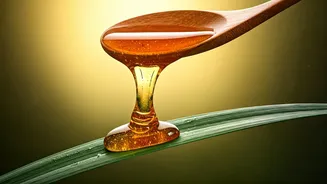
1 tablespoon honey
1 tablespoon fresh cream or milk
Benefits:
Banana is rich in vitamins and natural fats that help nourish dry skin. Honey acts as a natural humectant, drawing and retaining moisture, while milk or fresh cream helps soften and soothe the skin.
For Oily Skin: Oil Control & Pore Care
Oily skin is characterised by excess sebum production, which can clog pores and lead to acne.
DIY Mask Ingredients:
1 tablespoon Multani mitti (Fuller’s earth)
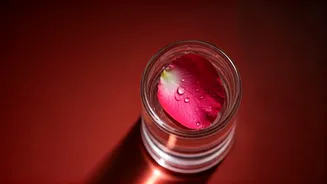
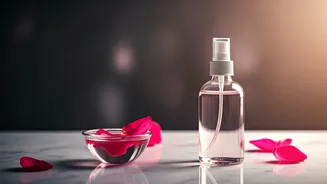
Rose water (to make a smooth paste)
A few drops of lemon juice (optional and only for non-sensitive skin)
Benefits:
Multani mitti effectively absorbs excess oil and helps cleanse pores, while rose water soothes and cools the skin.
How to Use:
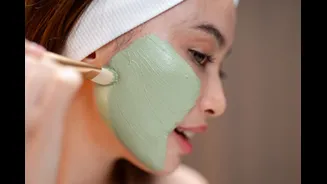
Apply a thin layer evenly, allow it to dry partially, and rinse gently with water. Use once a week to avoid over-drying.
For Acne-Prone Skin: Calming & Antibacterial Care
Acne-prone skin requires extremely gentle care, with no harsh scrubbing or irritating ingredients.
DIY Mask Ingredients:
1 tablespoon aloe vera gel (fresh or pure)
A pinch of turmeric
Benefits:
Aloe vera soothes inflammation, reduces redness, and supports skin healing. Turmeric has antibacterial and anti-inflammatory properties that may help calm breakouts.
For Combination Skin: Balance & Brightness
Combination skin typically features an oily T-zone (forehead, nose, chin) and drier cheeks.
DIY Mask Ingredients:
1 teaspoon yogurt
1 teaspoon honey
Benefits:
Yogurt contains mild lactic acid that gently exfoliates and refreshes the skin, while honey helps maintain hydration without making the skin greasy.
How to Use:
Apply evenly and leave on for 15 minutes. Rinse with lukewarm water. Use once a week.
For Dull and Tired Skin: Instant Glow Boost
Pollution, stress, and lack of sleep often leave skin looking tired and lifeless.
DIY Mask Ingredients:
1 teaspoon besan (gram flour)
1 teaspoon milk or rose water
A pinch of turmeric
Benefits:
This traditional mask has long been used in Indian skincare for improving skin tone, clarity, and radiance.
How to Use:
Apply for 10–15 minutes and wash off thoroughly with water.
Dermatologist-Approved Tips for Using Homemade Face Masks
Always perform a patch test before applying any mask to your face.
Avoid ingredients such as lemon juice, baking soda, or undiluted essential oils, as they may disrupt the skin barrier.
Do not use homemade face masks more than once a week unless advised by a dermatologist.
DIY masks cannot replace medical treatments for conditions like acne, pigmentation, eczema, or chronic skin disorders.
Homemade face masks can be a beneficial addition to your skincare routine when used mindfully and according to your skin type. They work best as supportive care rather than primary treatment solutions.
Healthy skin is built through consistency, understanding your skin’s needs, and avoiding shortcuts. When approached with care and moderation, DIY skincare can be both enjoyable and effective.