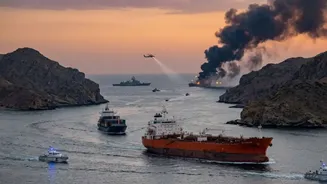









Saudi Arabia and Egypt called on Tuesday for free and secure navigation through key regional waterways, as Riyadh vowed a firm response to attacks by Yemen’s Houthis, who now control the southern entrance
to the Red Sea.
Saudi Crown Prince Mohammed bin Salman met Egyptian President Abdel Fattah al-Sisi in Cairo, with the two leaders discussing the growing crisis in Yemen and its impact on regional shipping.
They called for “ensuring the freedom and security of maritime navigation” through the Strait of Hormuz and the Bab al-Mandab Strait, the Egyptian presidency said. Sisi also affirmed Egypt’s support for measures taken by Saudi Arabia “to protect its security and stability”.
Houthis Tighten Grip On Red Sea
The Houthis have been fighting Saudi-backed Yemeni government forces since Yemen’s civil war reignited in July. The group also declared a maritime blockade on Saudi Arabia and began targeting its ships in the Red Sea.
In a rapid offensive last week, the Houthis seized control of Yemen’s entire Red Sea coast and the Bab al-Mandab Strait.
The strategic waterway has become increasingly important to Saudi crude exports as the wider Middle East conflict disrupts shipping through the Strait of Hormuz.
The Houthis have insisted there is no threat to navigation in the Bab al-Mandab except for Saudi vessels. However, attacks in the waterway could make the route less attractive to international shipping companies.
Riyadh Warns Of Firm Response
Saudi Arabia is also facing continued Houthi attacks on its territory.
Riyadh issued attack alerts on Tuesday for Mecca, Jeddah and Taif, among other areas, before quickly lifting them. Further alerts were later issued for Abha, Khamis Mushait and Jazan before also being lifted.
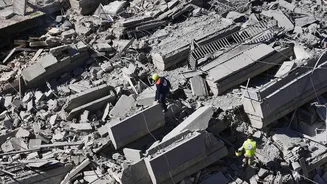
A Saudi-led anti-Houthi coalition said missile and drone attacks in three areas the previous day had wounded 13 civilians.
The coalition vowed to respond “firmly to protect the sovereignty of the Kingdom” and said it would take “all necessary operational measures” against what it described as a hostile approach.
The Houthis, meanwhile, accused Saudi Arabia of carrying out 52 airstrikes in Yemen over a 24-hour period. Houthi military spokesman Yahya Saree said civilian sites, including schools and bridges, were among those targeted.
Egypt Faces Suez Canal Pressure
Any major disruption to the Bab al-Mandab could also have serious consequences for Egypt, as the Red Sea is the main gateway to the Suez Canal.
Cairo relies heavily on canal revenues for foreign currency earnings. Those revenues are already around half their level before the Houthis began attacking Red Sea shipping in 2023.
Qatar warned on Tuesday that closing the Bab al-Mandab would be “catastrophic for the entire world”.
Yemen War Enters New Phase
The renewed fighting marks a major escalation in Yemen’s long-running conflict, which had remained largely dormant since 2022.
The war began after the Houthis seized Yemen’s capital, Sanaa, in 2014. Saudi Arabia then led a coalition that intervened the following year in support of the Yemeni government.
The latest fighting has displaced about 100,000 people internally, according to the UN.
Houthi politburo member Hazem al-Assad said the group’s “response will continue and escalate” as long as Saudi Arabia continues its military action.
The renewed conflict comes as the wider Middle East war remains unresolved. Iran has long supported the Houthis with weapons and technology, although Tehran denies involvement in the current fighting. Experts remain divided over the extent of Iran’s role in the latest escalation.
(With inputs from agencies)