





India’s travel landscape is becoming increasingly seasonal and experience-driven, with travellers planning trips around weather patterns, cultural interests, and shorter holiday windows. New data from
travel platforms suggests that Indians are not only travelling more frequently but are also exploring a wider mix of leisure, spiritual, and short-haul international destinations.
According to insights shared by Via.com, booking volumes have recorded 14 percent year-on-year growth, reflecting strong travel sentiment across both domestic and international routes. The data indicates that travel demand is no longer limited to traditional peak holiday seasons, with different months now associated with distinct travel motivations.
Monsoon Escapes and New Year Travel
Via.com’s data shows that July and January consistently emerge as the highest booking months, outperforming average monthly demand.
July travel is largely driven by monsoon leisure trips, with travellers heading to hill stations, wellness retreats, and nearby international destinations. Cooler weather in mountainous regions and the appeal of lush monsoon landscapes make destinations in northern and southern India particularly popular during this period.
January, meanwhile, sees a surge in bookings due to holiday spillover travel following the festive season. It also marks the beginning of the peak period for spiritual tourism, as many travellers visit pilgrimage destinations at the start of the new year.
Leisure Travel Peaks During Summer
Travel patterns during the summer months are heavily influenced by the search for cooler climates and nature-driven experiences.
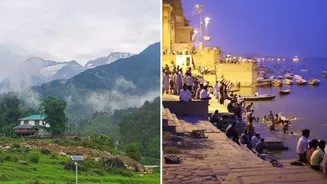
Between April and June, demand is concentrated around leisure destinations such as Kangra, Rishikesh, and Mysore, where travellers can combine relaxation with outdoor exploration.
Hill stations and riverfront destinations are particularly attractive during this period, offering respite from the intense summer heat in many parts of the country.
Spiritual Tourism Driving Winter Travel
As the year progresses, travel preferences gradually shift toward spiritual and heritage tourism.
Between October and January, Via.com’s data shows increased demand for destinations such as Varanasi, Haridwar, and Agra, highlighting the growing contribution of faith-driven tourism to India’s travel ecosystem.
Religious tourism has historically played an important role in domestic travel, but platforms are now seeing renewed interest among younger travellers as well.
Beaches, Hills, and Global Getaways
Insights from travel platform Scapia reflect similar seasonal preferences, while also highlighting the growing popularity of international leisure destinations.
Beach destinations such as Phuket, Bali, Goa, and Krabi continue to see strong traction among Indian travellers, reflecting a growing preference for leisure-first trips that combine relaxation, safety, and vibrant local experiences.
At the same time, hill stations remain perennial favourites during the warmer months. Destinations including Shimla, Manali, Mussoorie, Ooty, Coorg, Munnar, and Leh continue to witness steady demand as travellers seek cooler escapes.
Generational Differences in Travel Choices
Travel platforms are also observing distinct generational differences in destination preferences.
According to Scapia, Gen Z travellers are increasingly drawn to spiritually and culturally immersive destinations, including Varanasi, Rishikesh, and Tirupati. These locations offer not only heritage value but also visually engaging experiences that resonate with younger travellers.
Millennials, on the other hand, continue to favour more established devotional circuits such as Shirdi, Haridwar, Amritsar, and Velankanni, reflecting a blend of faith-based travel and family-oriented trips.
The Rise of Short, Experience-Led Trips
Another notable shift is the growing popularity of short trips and long-weekend travel. Rather than planning long vacations once or twice a year, many travellers are opting for frequent, shorter getaways that fit around work schedules and hybrid lifestyles.
This trend is driving steady demand across a wide range of destinations—from beaches and hill stations to pilgrimage sites and cultural hubs.
As Indian travellers increasingly prioritise experiences, flexibility, and seasonal exploration, the country’s travel patterns are becoming more dynamic. From monsoon hill station retreats to winter pilgrimages and quick international escapes, the modern Indian travel calendar is evolving to reflect a broader mix of motivations and lifestyles.