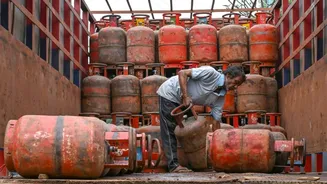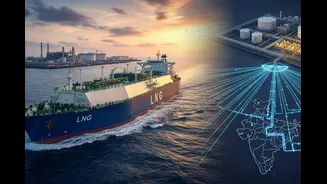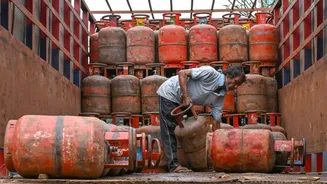






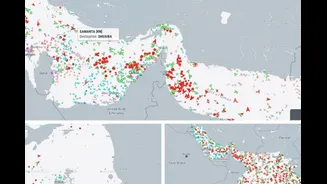
LPG is a hot topic these days. The country is facing a supply crunch since the eruption of the Iran-US war, leading to the closure of the Strait of Hormuz, a chokepoint responsible for the transportation
of 20% of global oil and natural gas.
India is bracing for a supply crunch in LPG cases, as several reports suggest that people are scrambling to get LPG cylinders across the country or are facing higher costs in black markets.
While the government has taken several measures to improve the supply of LPG cylinders nationwide, the issue persists, driven by high demand and limited supply.
Eyes are on oil marketing companies as they may revise for better or worse the rates of LPG cylinders from May 01, 2026.
Until now, there is no information on which side winds will travel.
How much have LPG prices increased recently?
Domestic LPG prices saw a moderate rise in April. The 14.2 kg household cylinder became costlier by Rs 60.
For commercial users, the increase has been sharper. The 19 kg cylinder price went up by Rs 196 in April across metro cities. This follows earlier hikes of Rs 114.5 on March 7 and around Rs 28–31 on March 1.
Why are LPG prices rising?
Prices are under pressure due to global fuel market volatility. Ongoing geopolitical tensions in West Asia have pushed up crude oil and input costs, which directly impacts LPG pricing—especially for commercial cylinders.
Is LPG supply affected?
No. The government has maintained that supply of LPG, along with PNG and CNG, remains stable and uninterrupted.
However, commercial supply is being prioritised for key sectors such as healthcare, education, pharmaceuticals, agriculture, and manufacturing.
Have LPG booking rules changed?
- Yes, booking intervals have become stricter in many areas:
- Urban consumers must wait 25 days between bookings (earlier 21 days)
- Rural consumers may face a gap of up to 45 days
- These changes aim to streamline supply and reduce misuse.
How are LPG bookings being processed now?
Digital adoption is very high:
- Nearly 98% of bookings are done online
- Around 94% of deliveries are verified using authentication codes
This shift is part of efforts to improve transparency and efficiency.
Is Aadhaar eKYC mandatory?
Yes, Aadhaar-based eKYC is mandatory for beneficiaries of the Pradhan Mantri Ujjwala Yojana (PMUY).
What are the rules for PMUY beneficiaries?
- PMUY users must complete authentication once every financial year. This is required to continue receiving subsidy transfers.
- Subsidy eligibility applies for a limited number of refills, and verification becomes necessary starting from the eighth refill.
Is the government encouraging a shift to PNG?
Yes. Households with access to piped natural gas (PNG) are being encouraged to switch from LPG to PNG where infrastructure is available.
Can consumers keep both LPG and PNG connections?
In some areas, restrictions are being introduced:
- Households with PNG access may not be allowed new LPG connections
- Existing LPG supply could be discontinued if users do not shift within a specified period
A late-March directive indicated LPG supply may stop after three months in such cases.
Could rules become stricter in May?
Possibly. Authorities may tighten rules further to improve delivery efficiency, curb leakages, and manage supply constraints. However, no nationwide announcement has been made yet.
What should consumers do now?
- Track the next price revision on May 1
- Follow updated booking intervals
- Complete eKYC if required
- Be prepared for a possible shift to PNG if available in your city