








Mumbai’s monsoon chaos has a hidden cost — surging cab fares. As heavy rain strands commuters and floods roads, Uber, Ola and Rapido fares routinely spike three-to-fivefold, prompting a Maharashtra government
crackdown. Yet drivers insist they aren’t profiting either, blaming crumbling infrastructure for losses despite the demand surge.
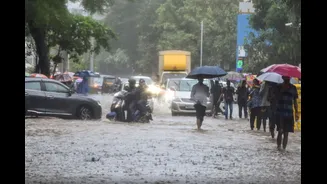
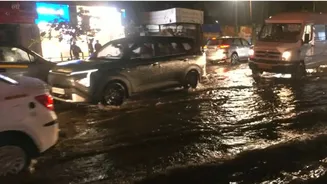
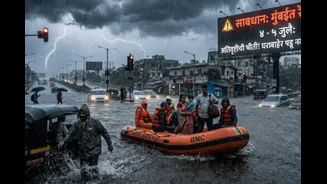
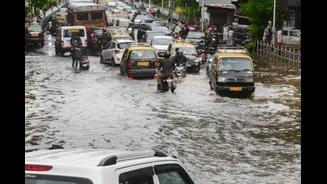
Every downpour triggers the same cycle: commuters rush to book app-based cabs to avoid getting stranded, while drivers find fewer trips possible as flooded roads and traffic double journey times.
The result is a fare spike that has, in the past, pushed a routine Rs 200 ride past Rs 600-800, drawing sharp state action — including a crackdown on 147 cab operators, 36 of whom were found guilty of overcharging during Mumbai’s August 2025 deluge.
But drivers like Mohsin Sheikh argue the perception of monsoon windfall is misleading, pointing instead to damaged tyres, fuel wasted in gridlock and cancelled rides as the season’s real toll. With Maharashtra now capping surge pricing at 1.5 times the base fare, the rain-fare debate is far from settled.
Why Do Cab Fares Shoot Up Every Time It Rains In Mumbai?
Rain triggers a demand-supply mismatch — more commuters try to book cabs to avoid getting stranded, while fewer drivers stay on the road because flooded streets mean longer trip times, lower earnings per hour, and a higher risk of vehicle damage.
How Much Do Fares Actually Rise During Heavy Rain?
The spikes have been steep — fares that would normally cost around Rs 200 have shot up to Rs 600-800 in documented instances, with some commuters in comparable situations quoted nearly double the standard fare for urgent trips like airport runs.
Is This Rain-Time Surge Pricing Legal?
Not unlimited. Maharashtra’s transport department capped ride-hailing surge pricing at 1.5 times the base fare during high-demand periods, including emergencies and monsoon flooding, following years of complaints about fares spiking up to three times the standard rate.
Have Authorities Taken Action Against Overcharging?
Yes — during Mumbai’s August 2025 rain crisis, the state ordered a crackdown that saw action initiated against 147 app-based cab operators, of which 36 were confirmed to have charged passengers excessive fares.
Do Drivers Actually Benefit From Monsoon Demand?
Not according to drivers themselves. Cabbie Mohsin Sheikh was quoted by Mid-Day as saying that the common belief that drivers earn more in the rains is the opposite of reality, citing longer trip times, fewer completed rides, costly repairs from pothole damage, and higher fuel consumption from idling in traffic.
What Other Costs Do Drivers Say They Absorb?
Drivers say cancelled rides due to traffic or flooding leave them with wasted fuel and time that nobody compensates, while monsoon repair bills for tyres, suspension and brakes cut further into already-reduced earnings.
What Can Commuters Do To Avoid Paying Inflated Fares?
Options include booking early before demand peaks, comparing fares across multiple aggregator apps, relying on suburban trains and buses where possible, sharing rides to split costs, and reporting overcharging to the state transport department.
What Do Drivers Say Would Actually Fix The Problem?
Sheikh’s appeal is straightforward — better pre-monsoon drain cleaning, timely road repairs and effective waterlogging control would ease conditions for drivers and reduce the surge pricing commuters end up paying.