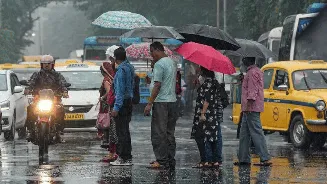








In many parts of India, including Delhi-NCR, residents have been experiencing a familiar weather pattern this summer. Temperatures soar close to 45°C under heatwave conditions, only to be followed by sudden
dust storms, thunderstorms, and heavy rainfall that bring a sharp drop in temperature. A day or two later, the mercury climbs again, often accompanied by high humidity that makes the weather feel even more uncomfortable.
While these sudden shifts may offer temporary relief from the heat, they can also take a toll on your health. Many people report headaches, fatigue, sore throats, colds, allergies, stomach issues, and general weakness during periods of rapidly changing weather.
How Rapid Weather Changes Affect Your Body
The human body constantly works to maintain a stable internal temperature. When the weather swings abruptly between extreme heat, rain, cooler temperatures, and humidity, the body has to repeatedly adjust to these changing conditions.
According to the World Health Organization (WHO), high temperatures and humidity place additional stress on the body’s cooling system, increasing the risk of heat-related illnesses and worsening existing health conditions.
At the same time, sudden changes in temperature can affect the respiratory system and immune response, making some people more vulnerable to infections and allergies.
Why Humidity Can Make You Feel Worse
Many people assume that a drop in temperature after rainfall means the weather has become pleasant. However, high humidity often follows rainfall, creating a different problem.
When humidity levels rise, sweat evaporates more slowly from the skin. Since sweating is the body’s primary cooling mechanism, this makes it harder for the body to release excess heat. As a result, you may feel exhausted, dehydrated, dizzy, or unusually tired even if the actual temperature is lower than before.
This combination of heat and humidity can significantly increase the risk of heat exhaustion and heat stress.
Common Health Problems During Sudden Weather Swings
1. Dehydration: People often drink less water when temperatures temporarily fall after rain. However, high humidity continues to cause fluid loss through sweating. Symptoms may include:
- Dry mouth
- Headache
Fatigue - Dizziness
- Dark-colored urine
Health experts warn that dehydration can occur quickly during hot and humid weather, especially among children, older adults, and outdoor workers.
2. Respiratory Infections: Changing temperatures and increased moisture in the air can irritate the respiratory tract. Viral infections, sore throats, and seasonal flu-like illnesses often become more common when people move frequently between hot outdoor conditions and air-conditioned indoor spaces.
3. Allergies: Thunderstorms, strong winds, and dust storms can stir up pollen, dust, mold spores, and other allergens. This may trigger:
- Sneezing
- Runny nose
- Watery eyes
- Asthma flare-ups
- Breathing difficulties
People with asthma and chronic respiratory diseases should be particularly cautious.
4. Heat Exhaustion: Even when clouds appear and rain falls, the body may continue to struggle if humidity remains high. Warning signs include:
- Excessive sweating
- Weakness
- Nausea
- Muscle cramps
- Dizziness
- Rapid heartbeat
If ignored, heat exhaustion can progress to heatstroke, a medical emergency.
5. Digestive Problems: Hot and humid conditions can encourage the growth of bacteria in food and water. Consuming contaminated food, street food left exposed for long periods, or improperly stored leftovers may increase the risk of stomach infections during this season.
Who Is Most At Risk?
According to WHO and the US Centres for Disease Control and Prevention (CDC), certain groups are more vulnerable to weather-related illnesses:
- Older adults
- Infants and young children
- Pregnant women
- People with heart, lung, kidney, or diabetes-related conditions
- Outdoor workers
- Athletes and fitness enthusiasts
- People taking medications that affect hydration or body temperature
How To Stay Protected
Stay Hydrated: Drink water regularly throughout the day, even if you don’t feel thirsty. Oral rehydration solutions, lemon water, buttermilk, and coconut water can help replenish fluids and electrolytes.
Dress Smart: Choose lightweight, loose-fitting, breathable cotton clothing that allows sweat to evaporate easily.
Avoid Peak Heat Hours: Try to limit outdoor activities between late morning and early afternoon, when heat stress is highest.
Eat Fresh Food: Avoid food that has been left unrefrigerated for long periods. Prioritise freshly prepared meals and ensure safe drinking water.
If a dust storm or thunderstorm occurs, stay indoors when possible. People with allergies or asthma may benefit from wearing a mask outdoors.
Seek medical attention immediately if you experience confusion, high fever, severe dizziness, difficulty breathing, or persistent vomiting. These may indicate a serious heat-related illness.