







City life makes it easy to ignore water. Long commutes, back-to-back meetings, frequent caffeine, and the habit of delaying bathroom breaks often mean people drink far less than they need. The problem
is that the kidneys do not get “used to it.” They work harder, silently, every day.
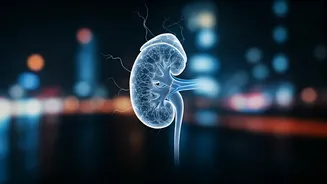
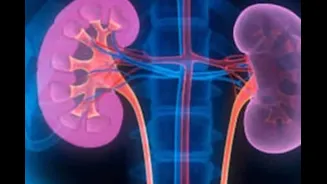
Your kidneys filter waste from the blood and balance fluid and salts in the body. When you are dehydrated, blood volume drops and the kidneys receive less blood flow. Urine becomes more concentrated, which increases the chance of stone formation and urinary infections. Over time, repeated dehydration can add stress to kidney function, especially in people who already have diabetes, high blood pressure, or early kidney disease.
Dr Aswini Kumar Panigrahi, Consultant Nephrologist, Apollo Hospitals shares all you need to know:
The signs people miss
Dehydration is not always dramatic. Many people do not feel very thirsty. Common signs include dark yellow urine, headaches, fatigue, dizziness, constipation, and muscle cramps. Another overlooked sign is passing urine much less often than usual. In summer or in air-conditioned offices, fluid loss can happen without people noticing.
Elderly adults often have a weaker thirst response. People working outdoors, drivers, delivery workers, gym-goers, and those who drink a lot of tea or coffee are also at higher risk. Patients on certain medicines like diuretics should be especially careful and follow medical advice on fluid intake.
What helps
Start simple. Keep a bottle in sight, set a reminder, and track urine colour. Increase fluids during heat, travel, or exercise. If you have kidney disease, heart disease, or swelling issues, do not self-prescribe high water intake. Take guidance from your doctor.
For high-risk patients, home healthcare can support hydration routines through regular vitals monitoring and clinical supervision at home. Post-hospital recovery after kidney-related complications or dialysis can also be safer with home-based nursing support, nutrition guidance, and hydration management to reduce further kidney stress.