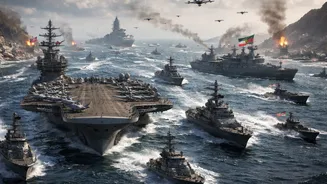







As backchannel diplomacy intensifies over the ongoing US-Iran war, multiple diplomatic and security sources across Washington, Tehran, Riyadh and Islamabad indicate that a possible roadmap for de-escalation
is beginning to take shape – one that could eventually reopen the Strait of Hormuz and pave the way for limited negotiations between the two adversaries.
According to top sources familiar with the discussions, a broader regional mechanism for the management and security of the Strait of Hormuz is currently under serious consideration. Gulf states, including Saudi Arabia and Qatar, along with Turkey and Egypt, are understood to be quietly supporting efforts aimed at preventing further escalation in the strategically critical waterway through which a major portion of global oil trade passes.
Pakistan has emerged as a key intermediary in the evolving diplomatic effort. Sources said Islamabad has been actively engaging both Tehran and Washington, with Pakistan’s Interior Minister Mohsin Naqvi playing an important role in recent outreach efforts towards the Iranian leadership. Pakistan’s military leadership is also expected to step in directly, with Pakistan’s Field Marshal Asim Munir likely to visit Tehran soon to offer what sources described as “final assurances” to the Iranian establishment, including elements linked to the Islamic Revolutionary Guard Corps (IRGC).
Highly placed security officials claim that discussions are underway for a possible “Declaration of Principles” or an “Agreement in Principles” between Iran and Pakistan, which could serve as the foundation for a wider US-Iran understanding. If agreed upon, the framework would reportedly allow Tehran and Washington to begin structured negotiations aimed at resolving technical and strategic disputes within a proposed 30-day timeline.
Sources further indicated that the United States has shown what was described as “limited flexibility” regarding certain economic relief measures for Iran. While Washington remains unwilling to offer any concessions linked to Iran’s nuclear programme, there are indications that partial sanctions easing could be explored if Tehran agrees to confidence-building measures.
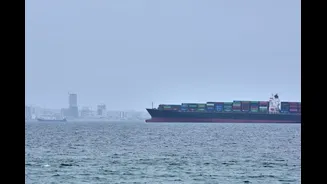
One of the first expected signs of progress, according to officials, would be the reopening and normalisation of maritime traffic through the Strait of Hormuz — a key American precondition in the current talks. Iran, sources said, has also signalled some flexibility on issues linked to enriched uranium and broader nuclear discussions, although Tehran continues to view existing American guarantees as “insufficient”.
Regional powers and Gulf allies are believed to be strongly backing the proposed arrangement, viewing it as the most viable pathway to prevent a wider regional conflict and restore stability in West Asia.