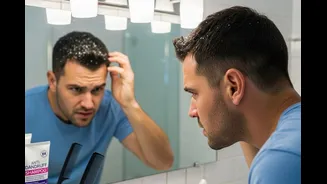




For years, dandruff, itching, and hair thinning have been treated as separate hair concerns – each addressed with its own quick fix. But dermatologists are increasingly pointing to a shared origin behind
these issues: scalp inflammation. When the scalp’s delicate balance is disrupted, visible symptoms begin to surface, often signalling more serious damage beneath the skin.
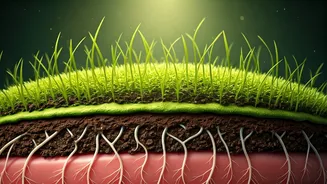
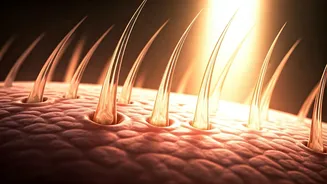
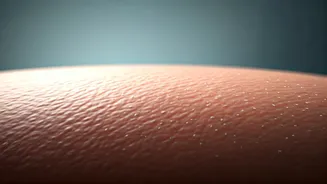
The scalp is living skin, rich in blood vessels, nerve endings, and hair follicles. When its protective barrier weakens, inflammation becomes the body’s default response. Over time, this low-grade but persistent irritation can interfere with normal hair growth, accelerate shedding, and make the scalp hypersensitive. Treating symptoms without addressing inflammation often leads to short-lived relief and recurring problems.
How Inflammation Triggers A Chain Reaction
“Scalp inflammation is increasingly being recognised as a foundational issue behind dandruff, persistent itchiness, sensitivity, and even progressive hair thinning,” explains Dr. Leena Ravindra, Dermatologist and Key Opinion Leader at Sebamed. She notes that factors such as harsh surfactants, excessive cleansing, hard water, cold weather, styling products, and stress can compromise the scalp barrier.
Once the barrier weakens, moisture loss increases and irritants penetrate more easily. “This creates redness, flaking, microbial imbalance, and itching,” Dr. Ravindra adds. Dandruff, in particular, is not just cosmetic. It is an inflammatory condition often linked to yeast overgrowth on an already sensitive scalp.
The Itch-Hair Fall Connection
An itchy scalp is often dismissed as dryness, but dermatologists warn it’s rarely that simple. “When the scalp becomes inflamed or infected, hair follicles often pay the price,” says Dr. Sneha Sood, Consultant in Dermatology & Trichology at Aster RV Hospital, Bangalore.
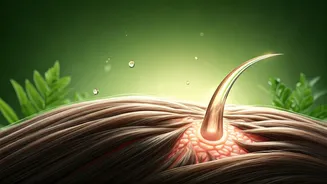
Inflammation disrupts the scalp’s microbial balance, triggering redness, flaking, and sensitivity. Over time, this affects the hair growth cycle itself. “Hair normally moves through four phases – growth, transition, rest, and shedding, but inflammation can prematurely push hairs into the shedding phase,” Dr. Sood explains. This leads to visible thinning and delayed regrowth.
Why Dandruff And Seborrheic Dermatitis Persist
Both experts highlight dandruff and seborrheic dermatitis as the most common inflammatory scalp conditions. According to Dr. Sood, inflammatory mediators accelerate skin cell turnover, causing dead cells to shed in larger flakes. In more severe cases, red, greasy patches form, clogging follicles and weakening hair strands.
Dr. Ravindra adds that disrupted scalp pH plays a crucial role. A healthy scalp is slightly acidic, helping regulate microbes and protect the barrier. “Repeated use of products with unsuitable pH makes the scalp vulnerable to irritation, creating a cycle of recurring symptoms,” she explains.
Inflammation And Long-Term Hair Thinning
Chronic scalp inflammation doesn’t just cause temporary discomfort; it can have lasting consequences. Dr. Sood notes that inflammatory cytokines around hair roots reduce blood flow and nutrient supply, weakening follicles over time. For individuals with a genetic predisposition, this inflammation can even accelerate pattern hair loss.
Rethinking Scalp Care: Repair Over Aggression
Addressing scalp inflammation requires a mindset shift. Both experts emphasise gentle cleansing, avoidance of irritants, and restoring the scalp’s physiological pH. “Consistency is key,” says Dr. Ravindra. Occasional treatments may soothe symptoms, but long-term balance is what prevents recurrence.
Dr. Sood adds that early intervention, through targeted anti-inflammatory or antifungal treatments and trigger management, can protect follicular health and slow hair thinning before it becomes irreversible.
Dandruff, itching, and hair thinning are not isolated concerns. They are often signals of an inflamed scalp. By addressing inflammation early and prioritising barrier repair, it’s possible to calm visible symptoms while creating the right environment for stronger, healthier hair. True hair care doesn’t start with the strand; it starts at the scalp.