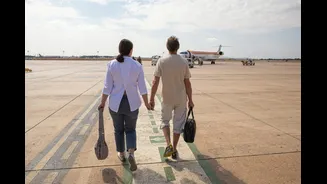





Travel was once about covering more ground and capturing every moment. Airport selfies, meticulously planned itineraries, and picture-perfect meals often mattered as much as the journey itself. But as 2026
approaches, travellers are beginning to rethink not just how they travel, but why.
Instead of rushing through destinations or documenting every experience, many travellers are now choosing holidays that balance visibility with presence. While sharing moments online still plays a role, there is a growing emphasis on slowing down, staying present, and genuinely connecting with the places being visited. Travel is evolving to offer both meaningful experiences worth sharing and deeper personal fulfilment.
A Shift Towards Slower, More Intentional Travel
An always-online lifestyle has created widespread digital fatigue. Constant notifications, excessive screen time, and nonstop digital noise have left travellers craving breaks that offer mental rest alongside physical escape. As a result, travel is increasingly viewed as an opportunity to pause, reset, and reconnect with nature, culture, and oneself.
Quiet destinations, longer stays, and unique locations that encourage unstructured time are gaining popularity. Rather than fitting multiple cities into a single trip, travellers are choosing to stay longer in one place, explore at a gentler pace, and absorb the rhythm of a destination without pressure.
According to Yasmin Ikrami, Founder and CEO, JourneyLabel, this shift is redefining what meaningful travel looks like today. “Travellers are choosing destinations where the focus isn’t on documenting experiences, but on slowing down, connecting, and being present. Luxury today is the freedom to unplug without compromise.”
JourneyLabel has observed a growing preference for fewer destinations, deeper cultural engagement, and travel experiences that prioritise wellbeing. Nature walks, wellness-led stays, and immersive local encounters are steadily replacing packed schedules and rushed sightseeing.
Travelling for How It Feels, and What It Reveals
Travel has always been about discovery, and visuals will always remain part of the experience. Beautiful landscapes, thoughtfully designed stays, and memorable settings continue to draw travellers to destinations. However, in 2026, there is increasing awareness of what lies beyond the photographs.
Rather than chasing every picture-perfect location, many travellers are choosing to spend more time in places that allow them to slow down and engage more deeply. The focus is shifting from collecting images to creating moments that feel personal, unhurried, and emotionally resonant.
Sufail Husain, founder and CEO, GoEifo Leisure Travels Private Limited, notes that this balance is becoming essential for modern travellers.
“Travellers still appreciate beauty and memorable settings, but they are also seeking journeys that feel calm and meaningful. They want experiences that stay with them long after the trip ends.”
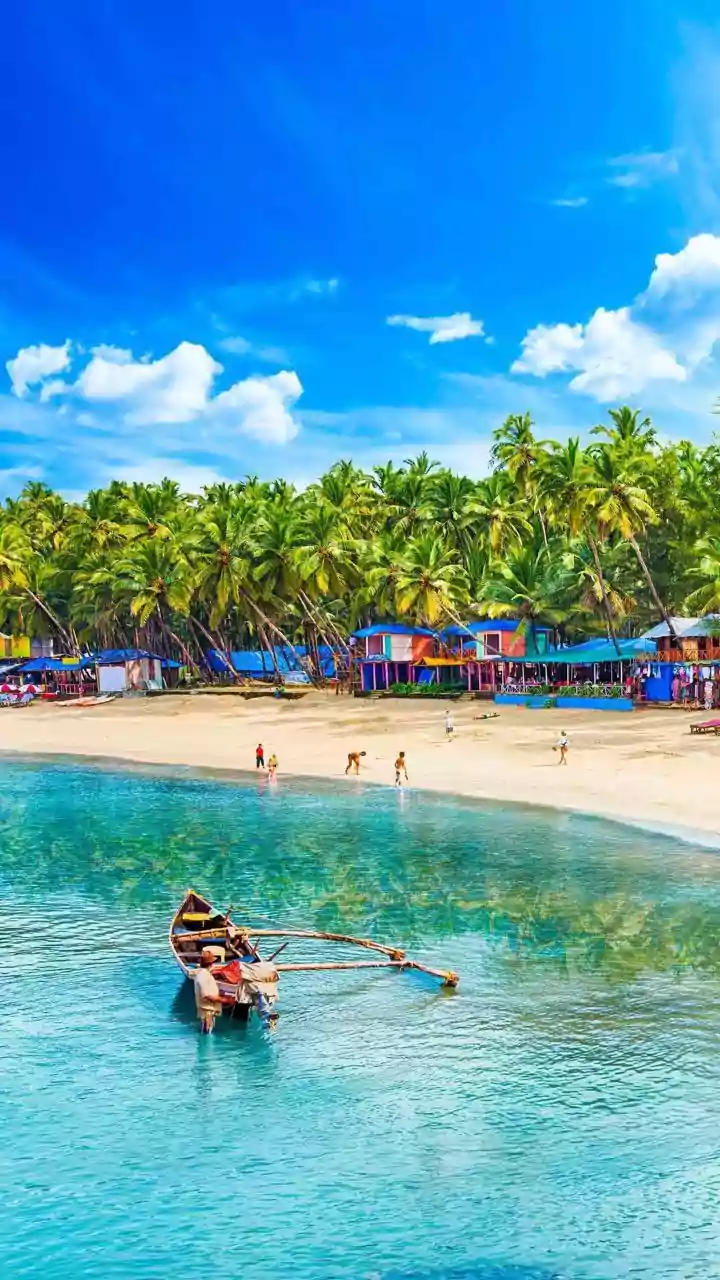
This mindset has fuelled interest in destinations that naturally combine visual appeal with space to pause from quiet beaches and scenic mountain retreats to thoughtfully designed stays where the surroundings can be enjoyed without constant movement or distraction.
Travel in 2026 is less about doing everything, and more about doing what feels right.
Practical Takeaways for Travellers in 2026
For those planning trips in 2026, this shift offers a few simple yet impactful lessons:
Choose fewer destinations and stay longer
Leave room in your itinerary for unplanned moments
Prioritise accommodations that support rest and privacy
Limit screen time to remain present throughout the journey
These small, intentional choices can transform a trip into a more immersive and fulfilling experience leaving travellers refreshed rather than exhausted.
The Journey Ahead
As travel continues to evolve, the most memorable journeys are no longer measured by how much is shared online. Instead, they are defined by how grounded, rested, and inspired travellers feel upon returning home.
In 2026, truly checking into a destination may begin with logging out and allowing the journey to unfold at its own pace.