


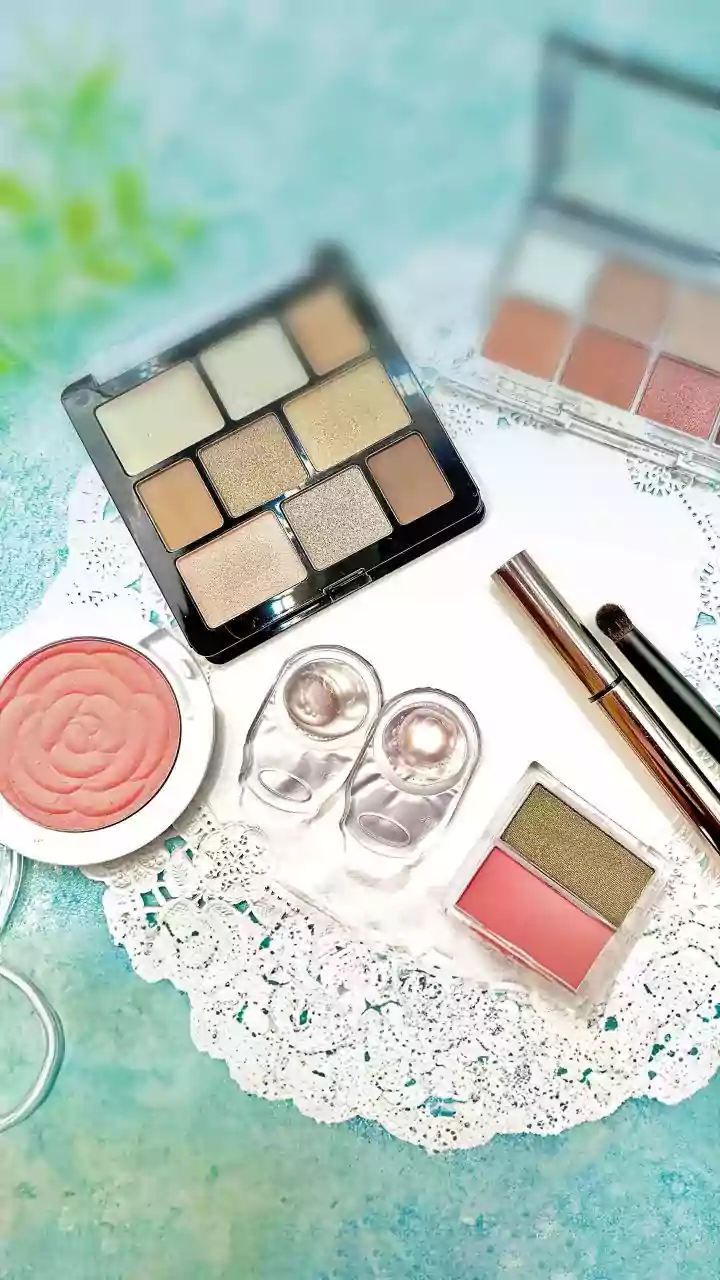

The conversation around plastic in beauty usually ends at packaging. Bottles, pumps, and tubes are easy to spot and easy to blame. But a quieter, less visible issue often sits inside the formula itself:
microplastics intentionally added to improve texture, spreadability, and visual appeal.
Nitin Jain, founder, La Pink, feels this is where the real formulation debate should be happening. “Microplastics are still widely used in skincare and cosmetic formulations, even though they offer no biological benefit to the skin,” he explains. “They are persistent, non-biodegradable particles that don’t nourish, protect, or support the skin’s natural biology.”
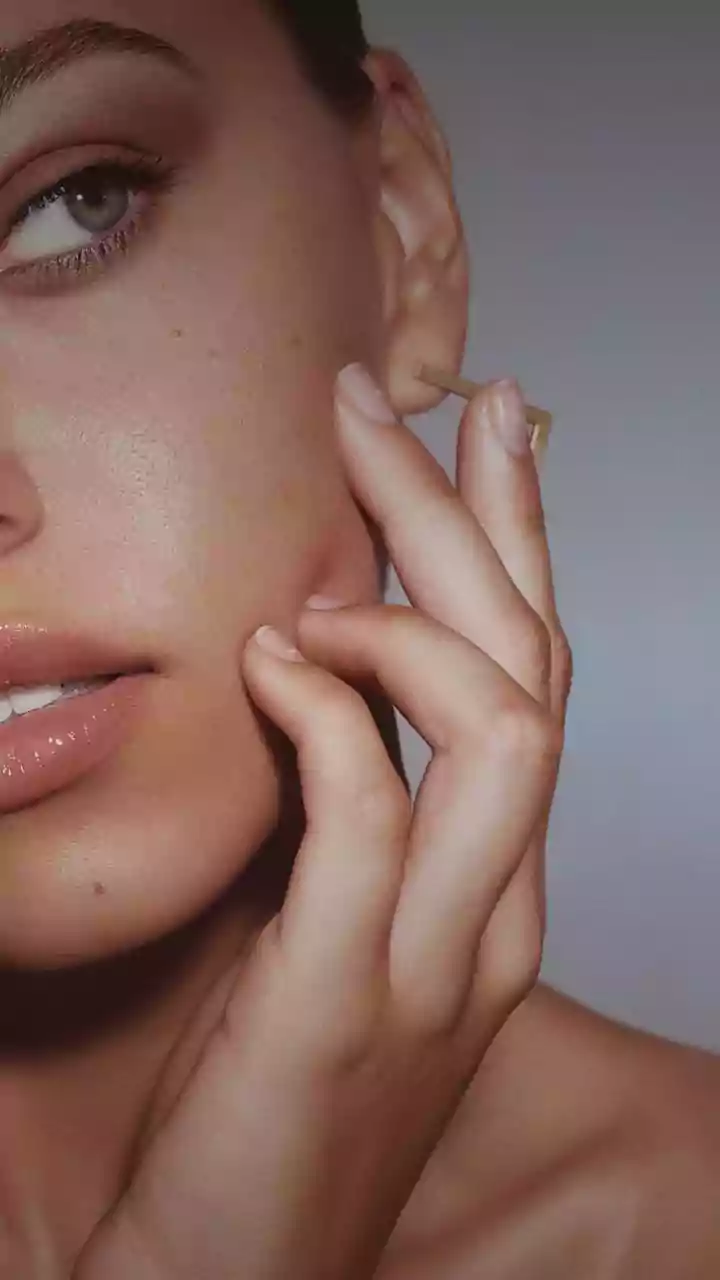
These particles don’t simply disappear after application. With daily use, they can sit on the skin’s surface, forming what Jain describes as an artificial, occlusive film. Over time, this layer may interfere with the skin’s natural barrier function and moisture balance, potentially contributing to congestion and sensitivity especially with prolonged exposure. Emerging research, he adds, is also examining how microplastics may act as carriers for other harmful substances, compounding long-term concerns.
The question, as he frames it from a formulation standpoint, is straightforward: if an ingredient does not actively support skin health, why include it at all?
This concern is echoed from a clinical perspective by Dermatologist, Dr Sirisha Singh. She notes that while microplastics do not easily penetrate intact skin, their impact is not negligible. “They can disrupt the skin barrier by causing friction, micro-abrasions, and low-grade irritation,” she explains. “Over time, this may increase the risk of inflammation, sensitivity, acne, and contact dermatitis.”
The risk becomes more pronounced for those with compromised skin, people dealing with acne, eczema, or post-procedure sensitivity where the barrier is already vulnerable. In such cases, even low-level, repeated irritation can translate into chronic skin stress.
Another layer of concern is environmental exposure. Microplastics may bind with pollutants and chemicals, effectively turning into carriers that sit on the skin for extended periods. This cumulative effect, Dr Singh suggests, is why dermatologists increasingly recommend microplastic-free formulations alongside barrier-supporting skincare.
For Jain, this understanding led to a decisive shift in how products are made at La Pink. The brand eliminated microplastics entirely from its formulations, positioning the move not as a trend but as a responsibility. “Skincare is a daily ritual,” he says. “What you apply once may seem insignificant, but what you apply consistently for years can shape your skin’s long-term health.”
Both voices point to a larger shift underway in beauty: consumers are asking sharper questions about what goes into their products, not just what sits on the shelf. Clean beauty, in this context, becomes less about marketing language and more about formulation integrity, transparency, and long-term safety.
Because the real issue isn’t a single application. It’s the quiet, cumulative effect of something that sits on your skin every day and what that means over time for barrier health, sensitivity, and overall skin resilience.