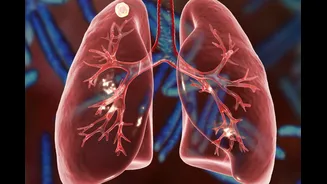








Lung and breathing diseases like tuberculosis, asthma, COPD, and pneumonia are common. However, there is a new lung infection called aspergillosis that is caused by a common environmental fungus. It is widely
underdiagnosed across the world.
Ask Dr Swapnil Mehta, Senior Consultant Pulmonologist at Dr L H Hiranandani Hospital, Powai, Mumbai, what this lung infection is, and he explains, “Aspergillosis is a fungal infection of the lung caused by a fungus named ‘Aspergillus’, which is common in the environment. It is often underdiagnosed despite its prevalence.”
More than a million worldwide are infected each year; especially, its victims include persons suffering from immunodeficiency diseases or other chronic lung ailments.
Urban lifestyles can also raise the risk of exposure. Dr Swapnil Mehta notes, “With the high prevalence of tuberculosis, COPD, asthma, and bronchiectasis in India, these diseases make a person prone to chronic pulmonary aspergillosis. Additionally, the nature of city living may also heighten the risks of exposure. The fast-paced development, air pollution, humidity levels, air-conditioning systems, and exposure to dust are factors that can heighten the risks of exposure to fungal spores.”
Aspergillosis is much more common than many people may actually realise. When people are exposed to this infection, it can range from mild allergic reactions to life-threatening disease. According to Dr Mahavir Modi, MD, DNB, Consultant Pulmonologist at Ruby Hall Clinic, “With hundreds of thousands of cases reported within the country each year, aspergillosis is a notable but undervalued threat to Indian public healthcare systems.”
While severe infections usually occur in immunocompromised patients, the disease can occur in healthy individuals due to heavy exposure.
Urban conditions that increase exposure can include spores, air pollution and construction dust, poorly ventilated or damp environments indoors, frequent use of air-conditioning, and smoking. Individuals with pre‑existing respiratory problems or with compromised immune systems may be at risk, since these circumstances can lead to infection, symptoms, and illness.
Dr Mahavir Modi clarifies that healthy people usually inhale Aspergillus without getting sick, but in certain circumstances, infection can still occur. “If people with normal immune systems inhale Aspergillus spores every day, they do not become ill, but in some people, with different syndromes of aspergillosis, it results in allergic aspergillosis. It can also occur in those suffering from asthma or allergies. The chronic forms may develop in the presence of old lung scars or cavities, even in otherwise healthy individuals.”
Severe invasive aspergillosis can also occur in patients with compromised immunity, including cancer patients, organ transplant recipients, long-term steroid recipients, or those in a critical care state.
Both doctors agree that treatment depends on the type and severity of the disease. Dr Swapnil Mehta explains, “Treatment depends on the disease type. For allergic aspergillosis, steroid and anti‑fungal therapy are employed, whereas for the rest, anti‑fungal agents are used.”
Dr Mahavir Modi adds, “Surgical intervention might be done in cases of fungal balls, which is causing recurrent haemorrhaging or in cases where it is not responding to medications.” He also emphasises that “supportive care to address underlying lung problems, oxygen therapy, and pulmonary rehabilitation are all critical to long‑term success.”
It is also important to prevent this from recurring again. One must take into consideration the control of lung conditions; prevention of exposure to damp or dusty environments, along with completing the entire course of antifungal medications; regular follow‑up imaging and blood tests; and increased awareness.