




Protein has quickly become the nutrient of the moment. From protein milk to protein bars, supermarket shelves are full of products promising more protein in every bite. But long before protein powders
became fashionable, Indian kitchens already contained many of the ingredients needed to meet daily protein requirements. Dals, dairy, legumes like rajma, and seeds have always been part of traditional meals. The challenge today is not finding protein; rather, it is using everyday foods a little more intelligently.
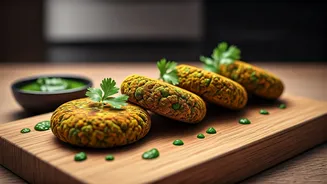
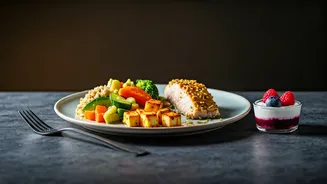
In fact, many pantry staples such as soya nuggets, pulses, besan, and poha can be easily incorporated into daily meals, offering simple and accessible ways to add more protein without changing the essence of home-cooked food.
Madhuri Ruia, Nutrition Advisor, Fortune Foods, AWL Agri Business Ltd., shares all you need to know:
How Much Protein Do We Actually Need?
According to general global nutrition guidelines, adults need roughly 0.8 to 1 gram of protein per kilogram of body weight per day.
That means:
• A woman weighing 60 kg needs about 48–60 grams of protein daily
• A man weighing 70 kg needs about 56–70 grams daily
Protein needs also increase slightly with age, as maintaining muscle mass becomes important for strength, metabolism, and long-term health.
The good news is that reaching these numbers does not require dramatic diet changes. Often, small additions to everyday meals are enough.
Everyday Foods That Provide Protein
Many familiar foods already provide meaningful amounts of protein. For example:
• 100 grams of paneer provides about 18 grams of protein
• A cup of cooked lentils provides around 8–9 grams of protein
• A cup of chickpeas provides roughly 14 grams of protein
• A cup of sprouted moong provides about 12 grams of protein
• One egg provides around 6 grams of protein
Protein-rich plant foods are also widely available in everyday grocery staples. Pulses, for instance, offer an easy way to incorporate protein-rich dals such as moong, masoor, or chana into daily meals. Similarly, soya nuggets are a convenient plant-based protein option that can be added to curries, pulao, or mixed vegetable dishes.
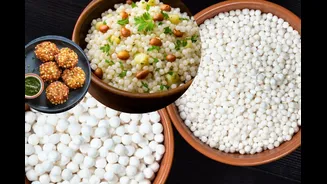
Ingredients like besan (gram flour) naturally contain good amounts of protein and are widely used in dishes such as chillas and kadhi. Even breakfast staples like poha, when paired with peanuts, sprouts, or vegetables, can contribute meaningfully to daily protein intake.
Looking at these numbers, it becomes clear that protein intake can increase significantly with just a few mindful additions during the day.
Simple Ways to Increase Protein in Meals
Instead of redesigning an entire diet plan, a few practical upgrades work well. For example:
• Add 50–70 grams of paneer to vegetables or breakfast dishes
• Pair fruit with hung curd instead of eating fruit alone
• Add sprouts to poha, salads, or sandwiches
• Sprinkle sesame, flax, or pumpkin seeds on sabzi
• Include pulses such as dal, chana, or rajma regularly with roti meals
• Add soya nuggets to pulao, curries, or vegetable dishes for an easy protein boost
These small changes can easily add 10–20 grams of protein across the day without complicated meal planning.
High-Protein Versions of Familiar Dishes
Home cooking makes it easy to turn traditional foods into protein-rich meals.
High-Protein Pav Bhaji
A typical pav bhaji often relies heavily on potatoes. Increasing the amount of green peas, chickpeas, or white beans, and adding paneer cubes can significantly improve its protein content. Serving it with whole-wheat pav and a small sprout salad adds both protein and fibre.
Sprouted Moong Chilla
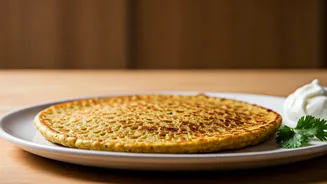
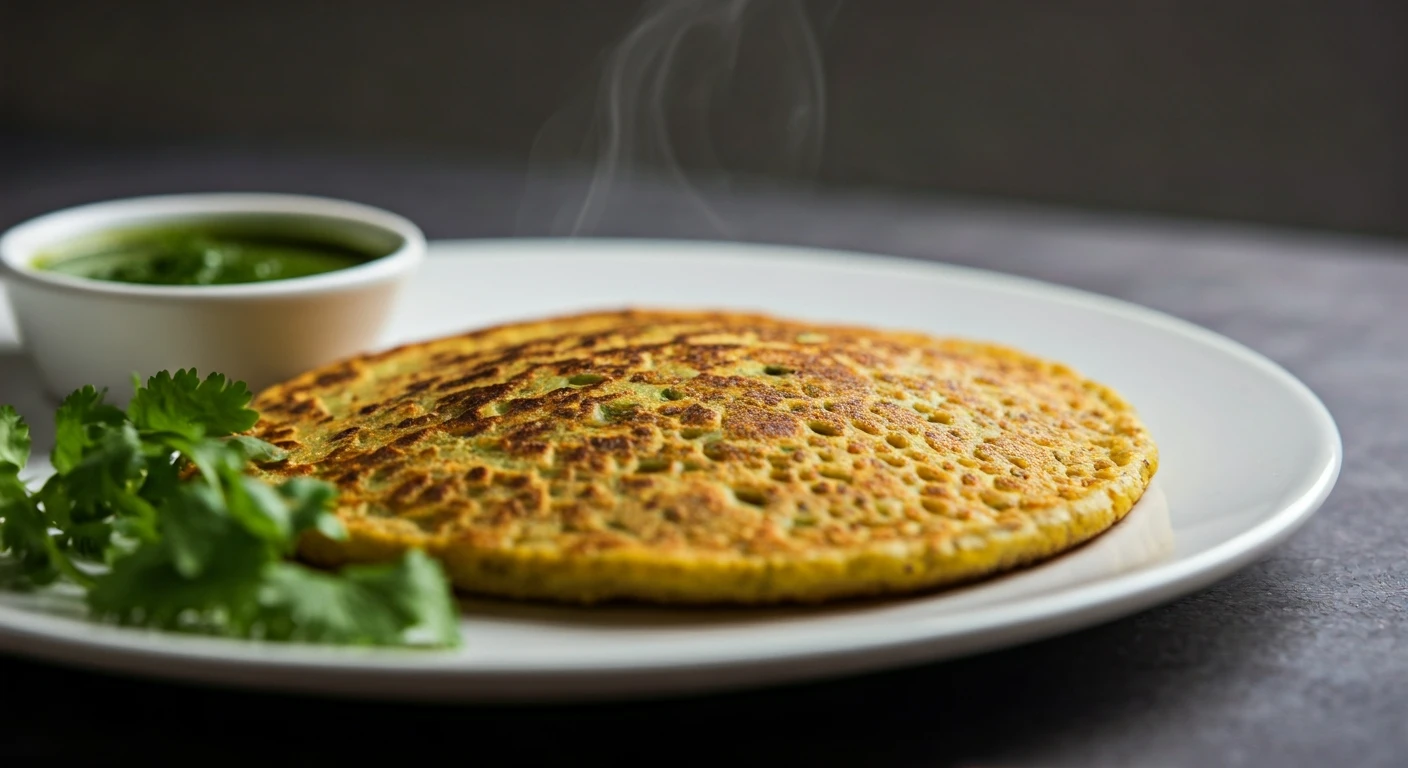
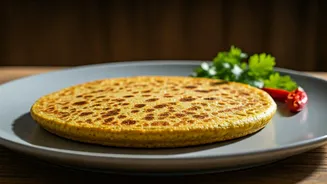
A quick breakfast option: blend soaked sprouted moong with ginger, green chilli, and cumin. Cook it like a dosa and serve with mint chutney or hung curd. This dish provides plant protein along with fibre.
Protein Khichdi
Khichdi becomes far more nutritious when prepared with a mix of pulses such as moong dal and masoor dal, along with a small portion of rice or millet. Adding vegetables like peas, carrots, and beans, and topping it with paneer cubes, roasted peanuts, or soya nuggets increases both protein and micronutrients.
Besan Chilla Wrap
Besan naturally contains good amounts of protein. Prepare a besan chilla with grated vegetables such as spinach, onion, and carrots. Fill it with paneer bhurji or sprouts, roll it into a wrap, and serve with yogurt.
Protein-Boosted Poha
Poha can be easily made more nutritious by adding roasted peanuts, sprouts, vegetables, and even small pieces of paneer or soya nuggets, making a simple breakfast richer in protein and fibre.
Real Food Before Packaged Protein
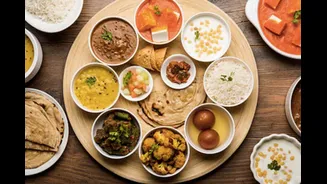
Protein shakes and bars can be useful occasionally, but they are not necessary for most people. Traditional Indian meals already combine lentils, dairy, grains, vegetables, and seeds providing protein along with fibre and micronutrients.
With ingredients such as pulses, besan, poha, and protein-rich options like soya nuggets, Indian kitchens already offer simple and affordable ways to meet daily protein requirements.
In many ways, the modern focus on protein is simply bringing people back to something familiar ghar ka khana, prepared with a little more awareness.
Sometimes, the most effective nutrition strategy begins not with supplements, but with small improvements to the meals we already cook every day.