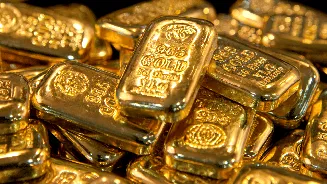







India has sharply increased import duties on gold and silver to 15 per cent from 6 per cent, a move aimed at reducing imports of precious metals at a time when pressure is building on the economy due to rising
global uncertainties.
The government has imposed a 10 per cent basic customs duty along with a 5 per cent Agriculture Infrastructure and Development Cess (AIDC), taking the effective tax on imports to 15 per cent.
According to Reuters, the decision is part of a broader effort to curb overseas purchases and protect India’s foreign exchange reserves.
The move comes amid concerns over rising crude oil prices, global tensions involving the US and Iran, and pressure on the Indian rupee.
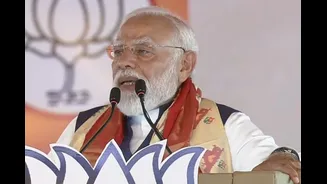
Prime Minister Narendra Modi had also recently appealed to citizens to avoid unnecessary gold purchases and conserve foreign exchange in the national interest.
Here are four major reasons why India decided to raise import duty on gold and silver:
REDUCING GOLD AND SILVER IMPORTS
India is one of the world’s largest consumers of gold, and the country meets almost all of its demand through imports.
Reuters reported that rising investment demand for gold, especially amid volatile equity markets and higher prices, has significantly increased inflows into gold-based investments.
According to the World Gold Council, inflows into India’s gold exchange-traded funds (ETFs) surged 186 per cent year-on-year in the March quarter to a record 20 metric tonnes.
Higher imports mean more dollars flowing out of the country.
By raising duties, the government is attempting to make imported gold and silver costlier, thereby moderating demand and reducing import volumes.
Industry experts have acknowledged that the economy is currently going through a challenging phase where imports need to be controlled.
PTI reported that Senco Gold CEO and Managing Director Suvankar Sen said the current account deficit was under pressure, and reducing import dependence had become important.
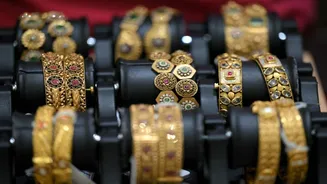
Jewellery industry leaders, however, have also stressed that India already possesses significant domestic gold reserves in households, temples, and investments.
They argued that greater recycling, exchange, reuse, and monetisation of existing gold can reduce dependence on fresh imports without severely affecting consumer demand.
EASING PRESSURE ON INDIA’S FOREIGN EXCHANGE RESERVES
Another major reason behind the duty hike is the need to protect India’s foreign exchange reserves.
Gold imports require payment in US dollars.
At a time when crude oil prices are rising globally and geopolitical tensions are increasing uncertainty, the government appears focused on conserving foreign exchange outflows.
Prime Minister Modi recently urged citizens to reduce fuel consumption, postpone foreign travel, and delay gold purchases for a year to help strengthen the economy and conserve foreign exchange reserves.
Reuters reported that India had already taken measures in recent weeks to slow imports, including levying a 3 per cent integrated goods and services tax (IGST) on gold and silver imports, which temporarily halted imports by banks for more than a month.
As a result, April gold imports reportedly fell to a near 30-year low before banks resumed purchases.
Analysts now expect imports to decline further following the latest tariff increase.
SUPPORTING THE RUPEE
The duty hike is also being viewed as an attempt to support the Indian rupee, which has recently come under heavy pressure.
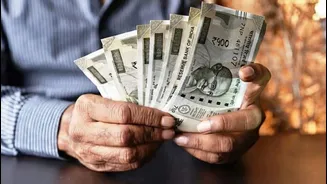
PTI reported that the rupee depreciated 40 paise to close at a fresh all-time low of 95.68 against the US dollar amid fears of escalating tensions between the US and Iran.
Rising imports of expensive commodities such as crude oil and gold increase dollar demand in the domestic market, which can weaken the rupee further.
By discouraging non-essential imports like gold, the government may be aiming to reduce dollar outflows and stabilise the currency.
Forex market participants also interpreted the Prime Minister’s recent remarks on reducing imports and conserving fuel as a signal that India’s balance-of-payments situation could face pressure if global crude prices remain elevated for a prolonged period.
Market experts cited by PTI noted that higher crude oil prices and a strong dollar were continuing to weigh on the rupee.
NARROWING INDIA’S TRADE DEFICIT
A key macroeconomic objective behind the move is narrowing India’s trade deficit.
A trade deficit occurs when a country imports more goods than it exports.
Since India imports large quantities of crude oil, gold, and electronics, high import bills can widen the deficit and increase external vulnerabilities.
Reuters noted that the increase in duties could help narrow India’s trade deficit even though it may dampen precious metals demand in the short term.
Economists often view gold imports as “non-productive” imports because gold does not directly contribute to industrial output or exports in the same way as capital goods or raw materials do.
Therefore, reducing gold imports can help improve India’s overall trade balance.
Industry leaders have argued that mobilising idle domestic gold through recycling and monetisation schemes could provide a long-term solution.
PTI quoted Malabar Group Chairman MP Ahammad as saying India possesses one of the world’s largest privately held gold reserves and that better utilisation of domestic gold can reduce reliance on imports.
At the same time, industry representatives cautioned that any sharp fall in jewellery demand could affect employment in the sector, which supports millions of artisans and workers across the country.
While the government’s move is aimed at strengthening macroeconomic stability during a period of global uncertainty, experts say the long-term success of the policy may depend on how effectively India expands domestic gold recycling and monetisation while balancing consumer demand and industry interests.