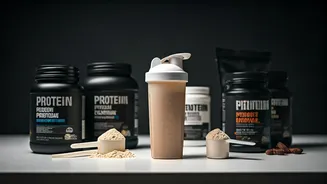






Protein powders have quietly shifted from niche fitness supplements to everyday essentials, scooped into morning smoothies, post-workout shakes, and sometimes even meal replacements. But as their popularity
surges, so do questions about their long-term impact, particularly on kidney health. The answer, as doctors increasingly point out, isn’t alarmist, but it is nuanced.
A senior expert from Gleneagles BGS Hospital, Kengeri, frames the issue with a question rather than a warning: what is your baseline kidney health? For individuals with healthy kidneys, moderate use of protein supplements is unlikely to cause harm. The concern, however, lies in excess. “The problem arises when people overdo it, consuming multiple scoops a day on top of a protein-rich diet,” the expert explains. This cumulative overload forces the kidneys to work harder, sometimes revealing early signs of stress in patients who assumed they were simply “eating healthy.”
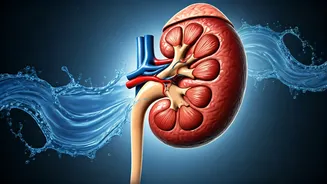
That word cumulative is key. At CARE Hospitals, clinicians observe that many users underestimate how quickly protein intake adds up. Protein shakes, bars, high-protein meals, and snacks together can push consumption far beyond recommended levels. “When the body breaks down protein, the kidneys have to clear the resulting waste,” a specialist notes, adding that consistently high intake increases this burden. The risk becomes sharper for those with undiagnosed kidney issues, where the strain can quietly accelerate damage.
Hydration, too, plays a surprisingly central role. According to CARE Hospitals, many people using protein powders fail to proportionally increase their fluid intake. This imbalance not only compounds kidney stress but may also contribute to kidney stones, an often overlooked consequence of high-protein routines.
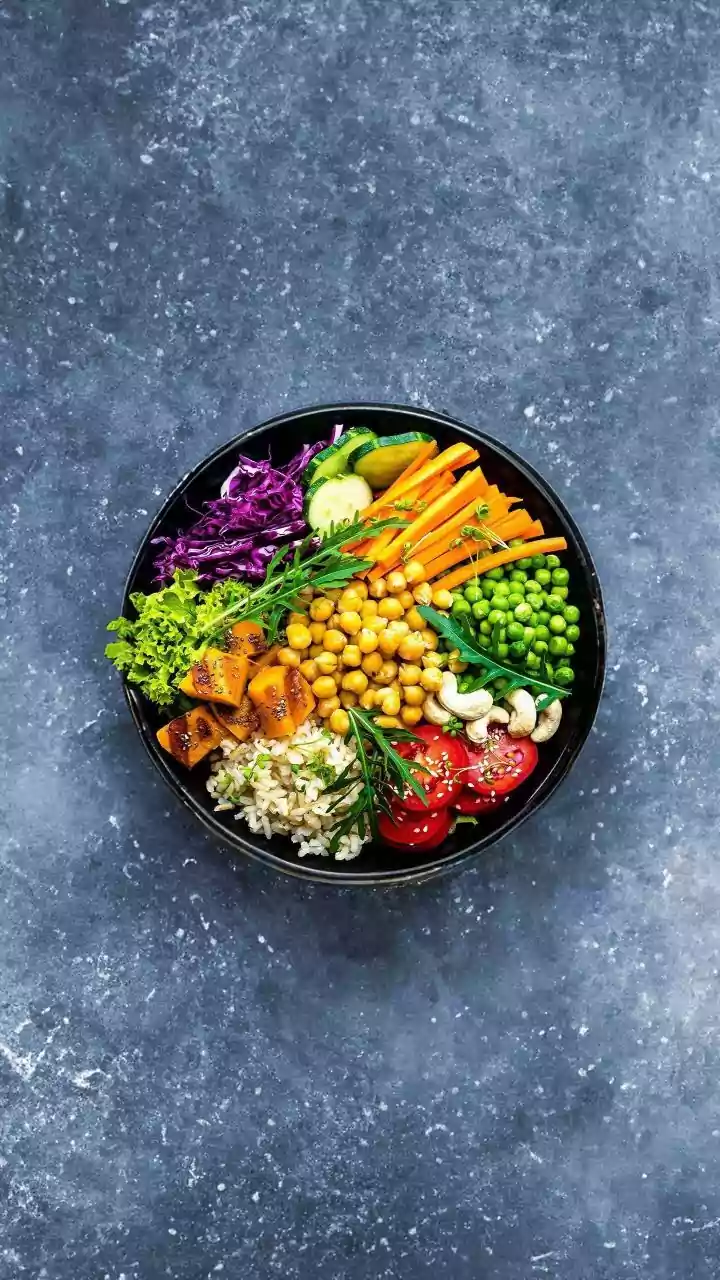
Meanwhile, experts at ARETE Hospitals draw attention to another layer of risk: product quality. Not all protein powders are created equal. Some may contain additives, artificial sweeteners, or even trace heavy metals that accumulate over time. Equally concerning is a behavioural shift, people replacing balanced meals with shakes, assuming nutritional equivalence where there is none. “Protein powders shouldn’t become the main source of protein,” the expert cautions, emphasising the importance of whole foods and dietary diversity.
What emerges across these perspectives is a consistent message: protein itself isn’t the problem, imbalance is. Supplements, when used thoughtfully, can support dietary goals. But when they become excessive, poorly regulated, or a substitute for real food, they introduce risks that are easy to overlook and slow to surface.
In a culture increasingly drawn to quick fixes and performance shortcuts, protein powders occupy a seductive middle ground between nutrition and convenience. Yet the body, particularly the kidneys, operates on balance, not extremes. As these experts collectively underline, moderation isn’t just good advice, it’s a safeguard.