


When Pujo season arrives in Kolkata, the city slips into a rhythm of its own. Streets glow with lights, the beat of dhaak drums fills the air, new clothes come out for the festivities, and families make
plans around food, rituals and late-night pandal-hopping. But beyond the celebrations lies a cultural tradition shaped by generations of artisans, neighbourhood communities and creative minds.
In 2021, this very tradition earned Kolkata’s Durga Puja a place on UNESCO’s Intangible Cultural Heritage list, acknowledging the craftsmanship, community participation and creative expression that make the festival much more than an annual religious celebration.
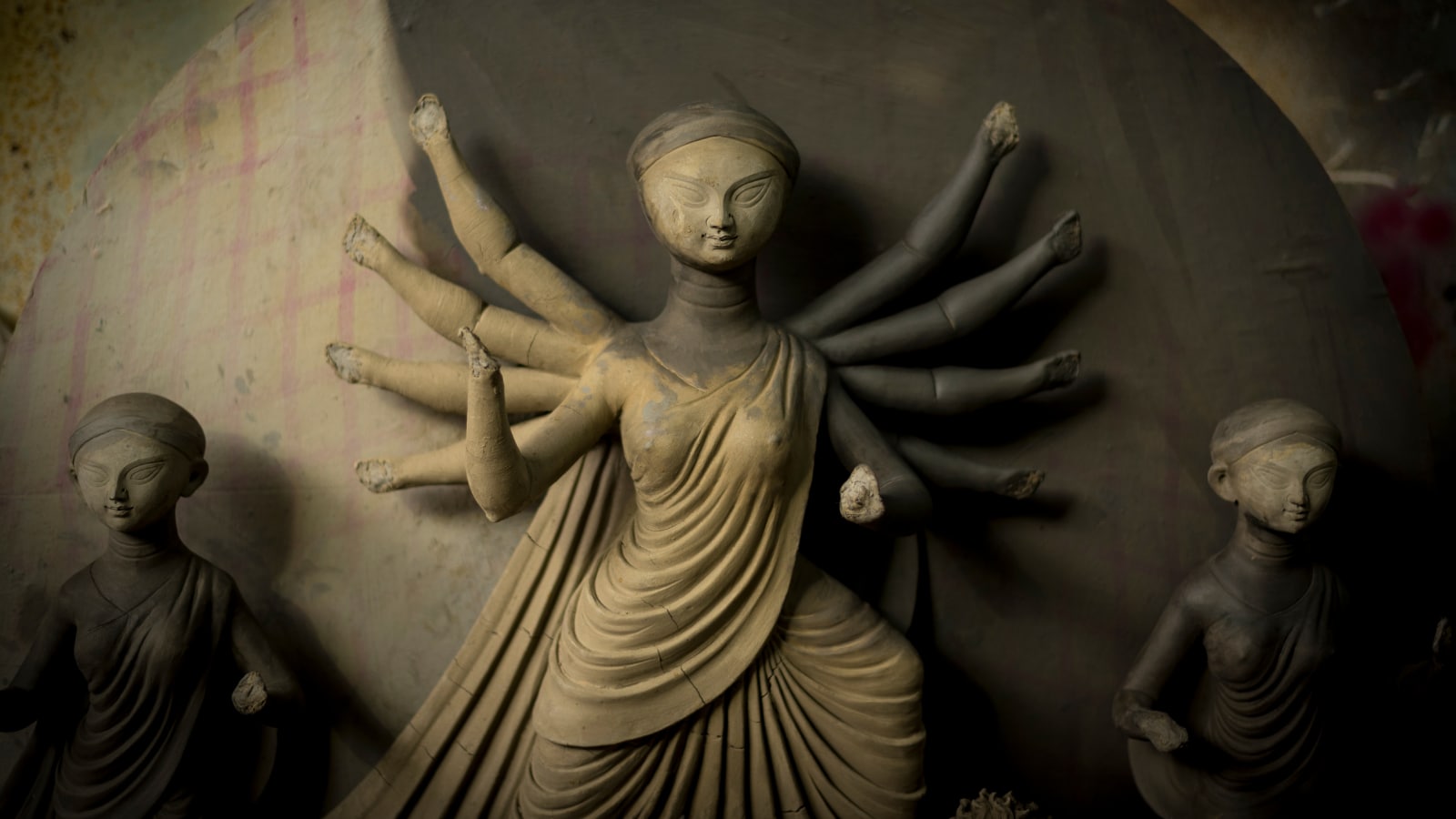
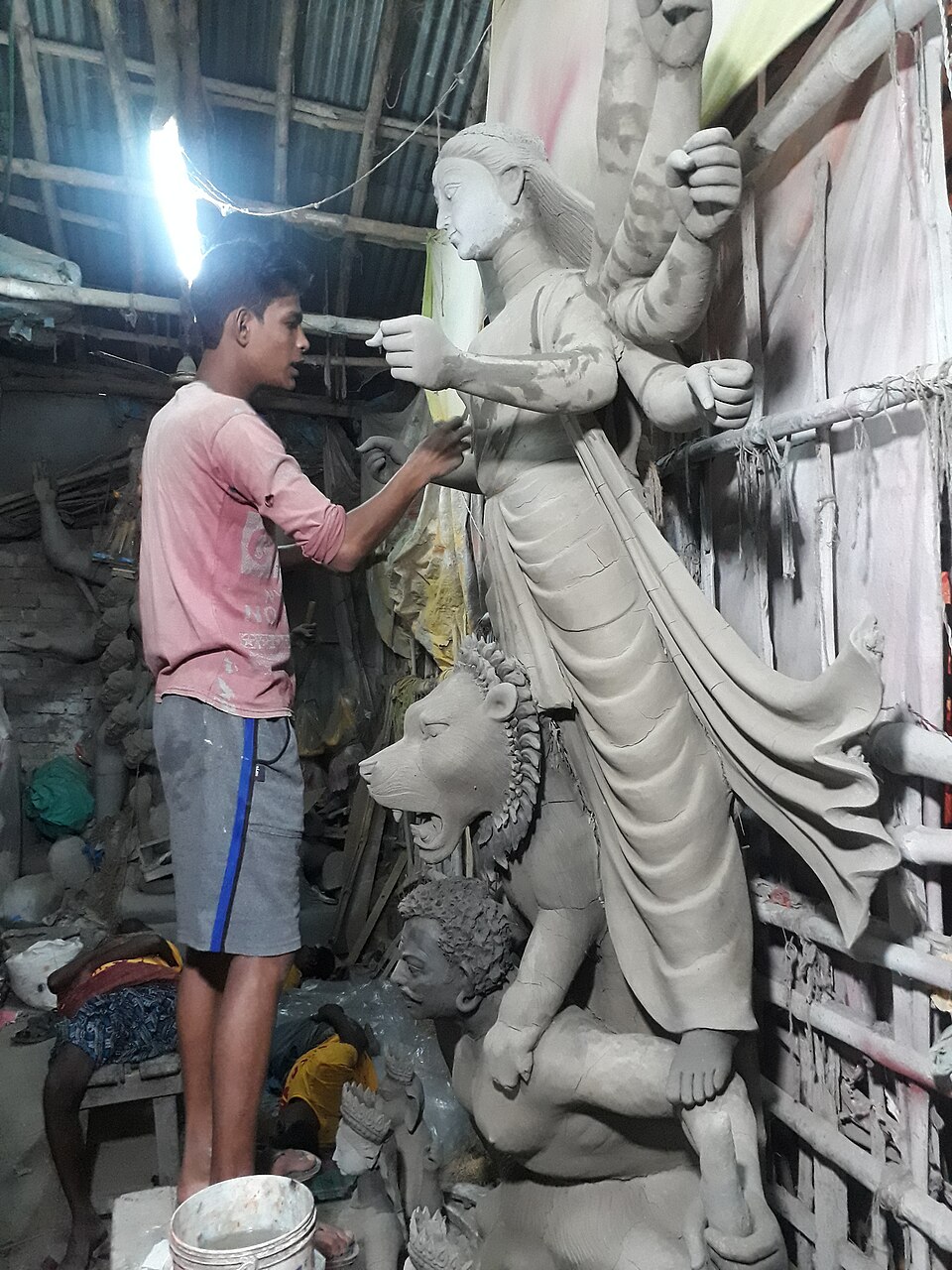
At its heart is the worship of Goddess Durga, who defeated the demon Mahishasura. But in Kolkata, the celebration extends well beyond the rituals. For months, artisans in Kumartuli shape clay into intricate idols, neighbourhood committees organise elaborate pandals, and artists experiment with designs that turn temporary structures into striking works of public art. Folk music, dance, theatre and food complete the experience, bringing entire neighbourhoods together.
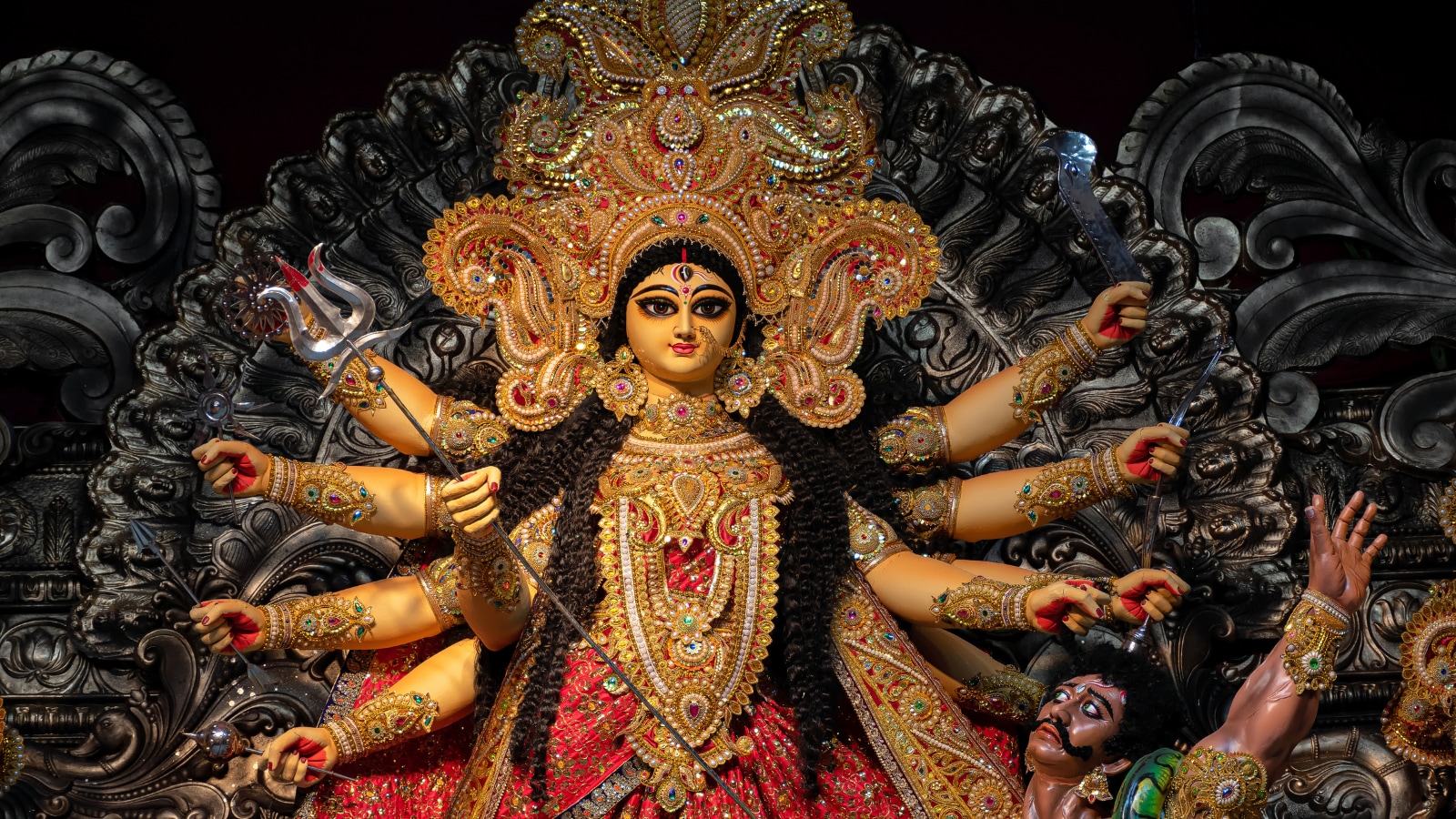
For travellers, this is what makes Durga Puja particularly fascinating. Pandal-hopping is not merely a tour of decorated spaces; it is a way to experience Kolkata through its creativity, local communities and street culture. One neighbourhood may showcase traditional craftsmanship, while another draws visitors with an ambitious contemporary installation. Between stops, food stalls and local eateries offer everything from festive Bengali delicacies to familiar street-food favourites.
What Makes Durga Puja More Than A Religious Festival?
Behind every pandal is months of work by artisans, designers, local clubs and volunteers, each contributing to the festival’s evolving visual identity. The preparations begin months in advance, involving idol-makers, designers, decorators, volunteers, local clubs and countless others whose work transforms the city each autumn.
The pandals themselves reflect this mix of tradition and reinvention. Some draw on familiar architectural styles and cultural motifs, while others explore new artistic ideas. Together, they create a festival that preserves traditional skills while leaving room for contemporary expression.
Durga Puja also extends beyond Kolkata. Members of the Bengali diaspora celebrate it across India and overseas, carrying familiar rituals and cultural practices into new settings. Yet Kolkata remains central to the festival’s identity, with its neighbourhood-led celebrations giving the city a distinctive energy during the festive season.
The Historian Behind Kolkata’s UNESCO Recognition
The road to UNESCO recognition involved documenting this wider cultural ecosystem. Historian Tapati Guha-Thakurta, whose research explored the festival’s visual culture, public art and changing social dimensions, was asked to prepare the nomination dossier.
The case for recognition went beyond religious worship. It highlighted the people and skills that sustain the festival, the participation of local communities and the way traditional practices continue to evolve. The UNESCO inscription brought international attention to a celebration whose cultural significance has long been rooted in the everyday life of Kolkata.
Why Durga Puja Is Worth Experiencing In Kolkata
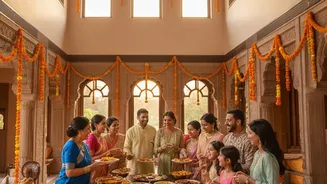
There is also an emotional dimension to the festival. For many Bengali families, Durga Puja represents homecoming, reunion and belonging. The celebrations culminate in the immersion of the idols, symbolising the goddess’s departure and bringing the festivities to a close.
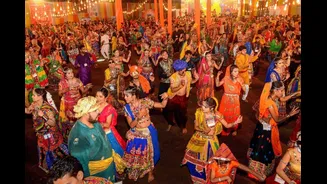
For visitors, moving between pandals becomes an immersive experience of the city rather than conventional sightseeing. Streets turn into gathering spaces, neighbourhoods become stages and strangers share the same excitement as they wait to enter a beautifully crafted installation.
The UNESCO tag has given this tradition a wider global audience, but its appeal remains deeply local. It lies in months of preparation, the sudden transformation of familiar streets and the collective effort that brings the goddess into the heart of the city. For a few days each year, Kolkata does not simply host Durga Puja. The city becomes part of the celebration itself.