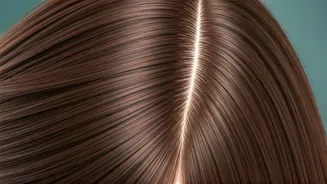






Dry, frizzy hair. A scalp that itches. White flakes on your shoulders. And a little too much hair in your comb. If this feels familiar, you’re not alone.
Most people assume these problems need expensive
salon treatments, but in reality, dryness, dandruff and thinning often come from small routine mistakes made every day. But, ironically, the fix is usually simple and small changes done consistently can improve scalp health, reduce breakage and help your hair look fuller and healthier over time.
We speak to Dr Abhishek Pilani, Founder of Assure Clinic, MD Dermatology, Hair Transplant & Restoration Specialist, to understand what steps one can take to get rid of dandruff, especially during the cold winter months.
One of the quickest improvements starts with the most basic step: water temperature. Washing hair with very hot water strips natural oils from the scalp and weakens the outer protective layer of your hair. This leaves strands rough, dry and frizzy. It can also make dandruff worse because the scalp becomes irritated and imbalanced. Switching to lukewarm water while washing and finishing with a cool rinse can make hair noticeably smoother.
Another common habit that backfires is washing too frequently. Shampooing every day may feel clean, but it often dries out the scalp and hair shaft, leading to brittle strands that break easily. This breakage is what many people confuse as hair thinning. For most hair types, washing two to three times a week is enough. If your scalp gets oily quickly, opt for a gentle shampoo and avoid harsh cleansing products.
Then comes oiling, something many of us grew up believing should be heavy and left overnight. But over-oiling can trap dust and dirt, clog follicles and worsen itching and dandruff, especially if it isn’t washed out properly. A smarter approach is light oiling for 1–2 hours, focusing more on hair lengths than the scalp. And if you oil regularly or use styling products, consider double cleansing: a small amount of mild shampoo twice works better than one harsh wash.
Conditioner also plays a key role but only when used correctly. Applying conditioner on the scalp can lead to buildup and make dandruff worse. Instead, conditioner should be applied from ear length to ends and rinsed well. This reduces dryness and prevents breakage, making hair feel softer without making roots greasy.
If dandruff keeps coming back, it may be due to scalp buildup. Dead skin cells can collect over time and block follicles, making flakes stubborn and hair roots weaker. Adding a gentle scalp exfoliation once a week using a mild exfoliating shampoo or scalp scrub can clear this layer and improve scalp health significantly.
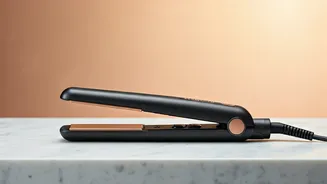
Heat is another silent culprit. Frequent straightening, curling or blow-drying damages the hair cuticle, causing dryness, split ends and breakage, all of which make hair look thinner. Reducing heat styling and always using a heat protectant can prevent long-term damage.
Lastly, don’t underestimate lifestyle triggers. Stress, poor sleep, dehydration and low protein intake often show up first as hair fall and scalp issues. Add protein-rich foods like dal, paneer, eggs or soy daily, drink enough water, and aim for proper sleep. When these changes become routine, your scalp becomes healthier, dandruff reduces naturally, and hair starts looking stronger, shinier and fuller within a few weeks.