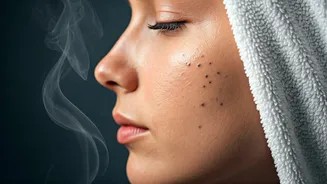







Your skin undergoes a number of unexpected changes as winter fades and spring arrives, affecting several million people worldwide. These changes include redness, itching, acne, and even swollen eyes. Although
these symptoms might appear sudden, seasonal changes can have a major impact on the body, especially the skin.
March is a time when immunological reactions and environmental changes combine to make skin more reactive than usual, according to nutritionist Deepta Nagpall.
In a recent post on X, Nagpall explained that spring brings several stimuli that could upset the skin’s natural equilibrium, from increasing pollen levels to varying temperatures and humidity. Fortunately, these periodic flare-ups can be mitigated with minor dietary and lifestyle changes.
Why Spring Triggers Skin Sensitivity
There are considerable environmental changes when winter transitions to spring. The immune system of the body is more active when the weather gets warmer, and plants release pollen. Histamine, a substance made by immune cells as part of the body’s defence system, is often released during this process.
If your skin suddenly feels more reactive in March, redness, itching, acne, eczema patches, puffy eyes, it’s not random.
March marks the shift from winter to spring. Pollen rises, temperatures fluctuate, humidity changes, and your immune system becomes more active.
And this… pic.twitter.com/Lyx71FYoH5
— Deepta Nagpall (@DeeptaNagpal) March 5, 2026
Histamine can cause the skin to become more sensitive and reactive by widening blood vessels and increasing inflammation. People may thus have signs including redness, itching, hives, or increased dryness.
Springtime can occasionally exacerbate flare-ups for people with pre-existing skin issues like psoriasis or eczema. Others may observe an increase in dark circles, puffiness around the eyes, or acne outbreaks during this time of year.
Foods That May Worsen Seasonal Flare-Ups
Our diet additionally affects how the body reacts to seasonal allergies. Particular foods may exacerbate skin sensitivity in certain people during high-histamine months. Foods that could make flare-ups worse in months when histamine levels are temporarily lower,
include:
- Tomatoes and spinach
- Processed and packaged foods
- Fermented and aged foods
- Leftover/stored foods
- Deep-fried foods
- Excess citrus
- Caffeine
- Chocolate
- Alcohol
Foods That Help Calm the Skin
However, some food items can help the body control the release of histamine and inflammation. Foods rich in vitamin C are particularly helpful since they boost the immune system and function as natural antihistamines.
Quercetin is a plant chemical found in apples, onions, and green tea that may help regulate histamine levels. Vital antioxidants that support skin health can also be found in leafy greens, colourful vegetables, nuts, and seeds.
Anti-inflammatory components like ginger and turmeric can also support the body during seasonal changes. Additionally, eating meals high in fibre, drinking enough water, and maintaining gut health with curd or yoghurt will enhance overall skin resilience.
Simple Lifestyle Fixes That Make a Difference
In addition to diet, daily routines are essential for controlling skin sensitivity in the spring. Nagpall advises avoiding extremely hot showers that might harm the skin barrier, changing clothes once home, and washing the face and hair to remove pollen after
being outside.
“Your skin doesn’t need harsh treatments right now. It needs seasonal support, balance, and gentle care,” Nagpall concludes the post.