







Pregnancy is a beautiful journey, but when it coincides with the peak summer season heat, it brings with it additional challenges for the pregnant woman. Exposure to extreme heat has been associated with adverse
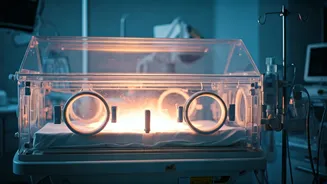
effects on pregnancy outcomes. It can lead to premature delivery, low birth weight and stillbirths, as well as the risk of congenital heart defects and more issues. Heat exposure in the first trimester can lead to birth defects, and along iwth premature birth, stillbirth and low birth weight during the second and third trimesters.
We speak to Dr Sonia Golani, consultant gynaecologist and Obstetrician at Bhailal Amin General Hospital, to understand what precautions women and families should take for the unborn babies during the summer season.
The metabolic demands of a growing foetus may create heat, leading to a slight increase in core temperature. Natural change in thermoregulation makes pregnant women vulnerable to heat exposure throughout her pregnancy. They are more susceptible to dehydration, which can trigger uterine contractions and early labour
Doctors recommend that pregnant women take precautions against extreme heat.
- Pregnant women should avoid long periods of exposure to extreme heat
- Avoid strenuous activities outside during hotter temperatures
- Wear loose-fitting clothes, stay hydrated
- Make your surroundings cool and pregnancy-friendly by using fans and air conditioning
- Get proper sleep
- If you feel dizzy or have a fast heartbeat or dark urination, then consult your doctor
Hot days can also increase unhealthy air pollutants, which pregnant women breathe in. It can lead to inflammation and epigenetic changes, which interfere with placental blood flow and promote clot formation. So stay well hydrated and take fluids and drinks which contain electrolytes, especially if you are sweating a lot due to the summer heat.
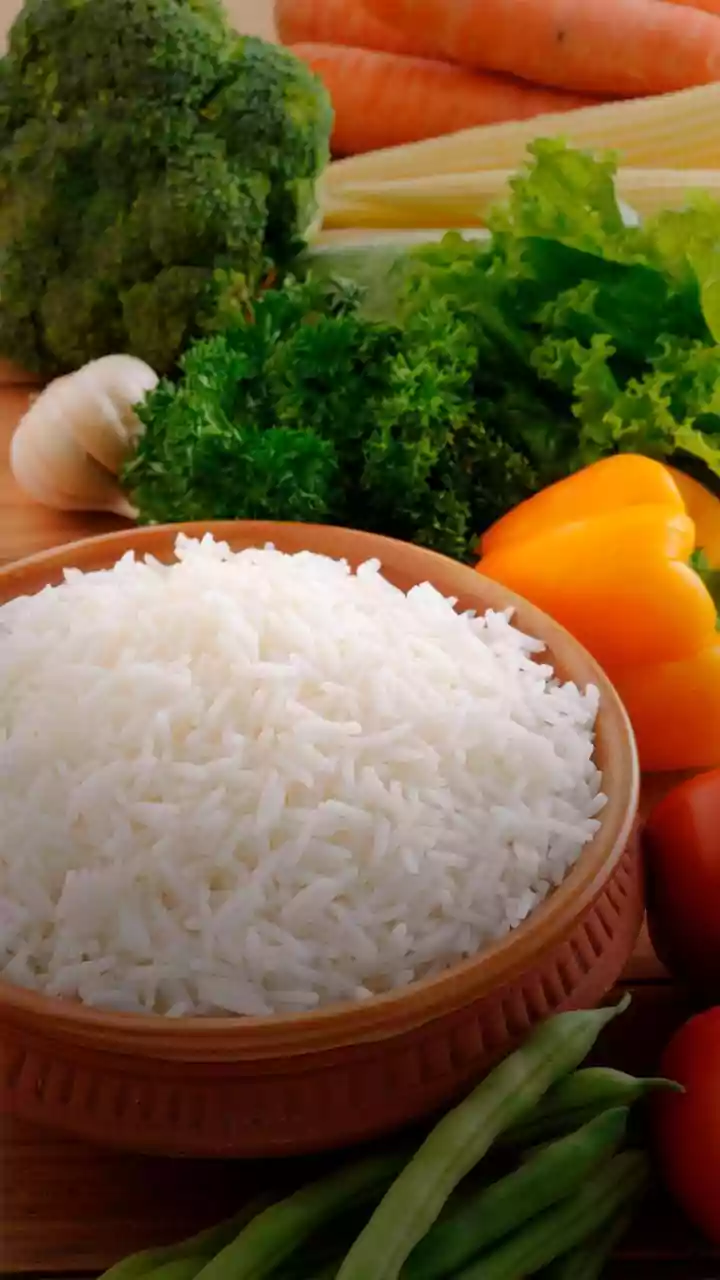
While staying hydrated is important, limit the number of beverages you consume that are high in sugar, sodium and caffeine, as they may lead to dehydration for pregnant women. Ensure that you are having regular and consistent fluid and food intake throughout the day. Alcohol consumption should also be restricted, as it can cause dehydration and worsen heat-related illness. During your pregnancy, if you are dealing with a lot of nausea, vomiting and diarrhoea, you will need special attention to avoid dehydration and fluid and electrolyte imbalance. Extreme heat can also delay lactation after childbirth, reducing milk volume. But by taking the precautions and ensuring that you and your baby are well-fed and hydrated means that you can have a safe pregnancy.