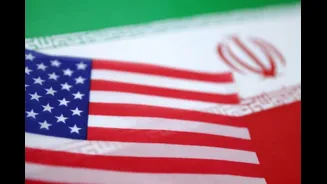






Iran and the United States have been presented with a plan to halt hostilities, potentially taking effect on Monday and reopening the Strait of Hormuz, a source familiar with the discussions told Reuters
on Monday.
The proposal, crafted by Pakistan and shared with both Tehran and Washington overnight, lays out a two-step strategy: an immediate ceasefire, followed by negotiations toward a broader, comprehensive agreement.
The source quoted by Reuters said “all elements need to be agreed today”, adding that the initial understanding would be structured as a memorandum of understanding finalised electronically through Pakistan, the sole communication channel in the talks.
Axios had reported on Sunday that the United States, Iran, and regional mediators are exploring a potential 45-day ceasefire, the first step in a two-phase plan that could pave the way for a permanent end to the conflict, according to US, Israeli, and regional sources.
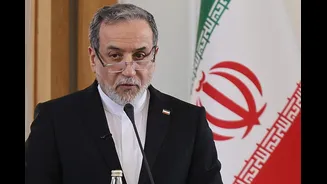
Reuters added that Pakistan’s army chief, Field Marshal Asim Munir, has been in near-constant contact overnight with US Vice-President JD Vance, special envoy Steve Witkoff, and Iranian Foreign Minister Abbas Araqchi.
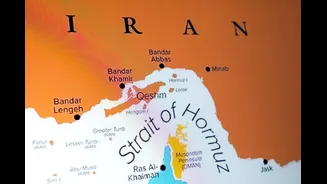
Under the proposal, a ceasefire would take effect immediately, reopening the Strait of Hormuz, with 15-20 days to finalise a broader settlement. According to Reuters, the deal, tentatively dubbed the “Islamabad Accord”, will include a regional framework for the strait, with final in-person talks in Islamabad.
The final agreement is expected to include Iranian commitments not to pursue nuclear weapons in exchange for sanctions relief and the release of frozen assets, the source said.
Two Pakistani sources said Iran has yet to commit despite intensified civilian and military outreach. “Iran has not responded yet”, a source told Reuters, adding proposals backed by Pakistan, China and the United States for a temporary ceasefire have drawn no commitment so far.
Iranian officials have publicly too maintained a hardline stance. The Iranian Revolutionary Guards Corps Navy said Sunday that the situation in the Strait of Hormuz will “never return” to what it was before the war, particularly for the US and Israel.
The latest diplomatic push comes amid escalating hostilities that have raised concerns over disruption to shipping through the Strait of Hormuz, a critical artery for global oil supplies.
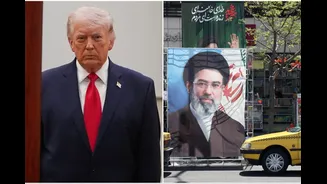
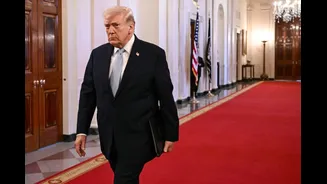
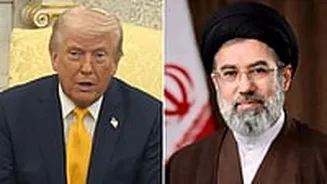
US President Donald Trump has ramped up calls for a swift end to the conflict, cautioning of serious repercussions if a ceasefire isn’t achieved quickly. On Sunday, he told Axios that Washington is engaged in intensive diplomacy with Tehran ahead of his deadline on Tuesday. “There is a good chance, but if they don’t make a deal, I am blowing up everything over there,” Trump said.
The fighting has fuelled turbulence in global energy markets, with traders on edge over potential disruptions to the Strait of Hormuz. A source with direct knowledge of the diplomatic efforts was quoted as saying by Axios that mediators are highly concerned that Iranian retaliation following potential US-Israeli strikes on the country’s energy infrastructure could cause significant damage to oil and water facilities in Gulf states.