
Every year, dengue affects families and loved ones, making it a reality that’s impossible to ignore. It has become a year-round disease, with cases now being reported even during the winter season. Early
detection is critical; without timely care, dengue can progress rapidly and may require hospitalisation.
While awareness about the disease has increased, misinformation has spread just as widely. It is essential to understand the facts about dengue so that people know when to seek medical attention and can also play an active role in prevention.
Dr Amit Saraf, Director, Internal Medicine, Jupiter Hospital, Thane, shares what you need to know:
Myth 1: Dengue only affects people with weak immunity
Fact: Dengue can affect anyone, including young and healthy adults with strong immunity. Studies show that dengue affects all age groups, with young adults (21–30 years) commonly infected. However, certain groups are more likely to develop severe dengue, including young children, older adults, and people with conditions such as diabetes, high blood pressure, obesity, heart disease, kidney disease, or respiratory illnesses.
Myth 2: Those infected with dengue once cannot be affected again
Fact: Dengue is caused by a virus with four distinct serotypes, all of which are present in India. Infection with one serotype provides lifelong immunity only to that specific type, meaning a person can be infected up to four times in their lifetime. Studies have shown that re-infection is often more severe than the first infection. A second infection increases the risk of severe dengue, including complications such as bleeding, shock, or organ damage, because antibodies from the first infection may worsen the response to a different serotype instead of protecting against it.
Myth 3: Platelet count is the only indicator of dengue severity
Fact: Dengue severity is determined by the overall clinical course, not by platelet count alone. During the critical phase, complications such as fluid leakage, bleeding, or organ damage can occur even when platelet levels are not very low. Symptoms can worsen rapidly, making close medical monitoring essential. Focusing only on platelet counts can delay timely care and increase the risk of complications.
People with dengue should closely monitor their symptoms. If they experience severe abdominal pain, persistent vomiting, rapid breathing, bleeding from the gums or nose, blood in vomit or stools, excessive thirst, pale or cold skin, or extreme weakness, they should seek immediate medical attention.
Myth 4: Dengue is only a monsoon disease
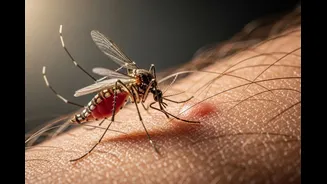
Fact: The mosquitoes that spread dengue, Aedes aegypti, thrive in warm and humid conditions and are no longer limited to the monsoon season. Dengue has become a perennial disease in western and southern parts of India. Climate change has accelerated its spread, as rising temperatures, increased humidity, and altered rainfall patterns create ideal conditions for mosquito breeding. While dengue was once primarily seen during and after the monsoon, the risk now persists throughout the year.
Myth 5: Dengue mosquitoes breed in dirty water
Fact: Dengue-transmitting mosquitoes do not require dirty or polluted water to breed. They commonly breed in clean, stagnant water found in domestic and peri-domestic settings, such as water coolers, flowerpots, buckets, overhead tanks, discarded containers, and household water storage vessels. This misconception often leads people to overlook clean water sources at home, which are among the most common breeding sites for dengue.
Myth 6: Home remedies can cure dengue
Fact: Many people believe that remedies such as papaya leaf juice, goat milk, crab soup, or giloy juice can cure dengue, and some rely solely on these methods. This can be dangerous, as dengue can progress rapidly to life-threatening complications.
Dengue often begins with flu-like symptoms, including high fever, headache, body aches, nausea, and rash. However, certain symptoms are more suggestive of dengue, such as very high fever, severe headache with intense pain behind the eyes, extreme muscle and joint pain often described as “bone-breaking,” persistent vomiting, and mild bleeding, including small skin spots or easy bruising. Because symptoms can worsen quickly, it is important to consult a doctor as soon as they appear.
Dengue is no longer rare or seasonal, it is a growing public health concern. Climate change, urbanisation, and misinformation have worsened the problem. Believing myths can delay treatment and lead to serious outcomes. The best protection against dengue lies in verifying information, seeking early medical care, eliminating mosquito breeding sites, and taking preventive measures throughout the year.