




Winter may be kind to your wardrobe, but it is rarely forgiving to your hair. As temperatures drop and humidity disappears, hair becomes drier, weaker, and more prone to breakage. Yet most winter hair problems
aren’t caused by the weather alone. They’re the result of everyday habits we fail to adjust to the season. From over-washing to ignoring scalp care, these small mistakes quietly undo even the best hair routines.
Here are eight common winter haircare mistakes and why avoiding them can completely change how your hair looks and feels this season.
1. Washing Your Hair Too Often
Cold weather strips natural oils faster than summer, and frequent washing only worsens the problem. Over-washing leaves hair dry, brittle, and more prone to split ends, especially for textured or coloured hair.
2. Skipping Conditioner Or Using Too Little
Many people apply conditioner sparingly to avoid limp hair, but winter demands richer hydration. Skipping it, or rinsing it off too quickly, leaves strands vulnerable to dryness, frizz, and breakage.
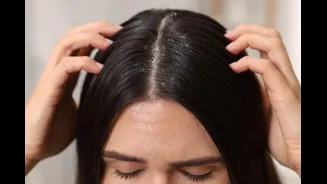
3. Ignoring Scalp Health
A flaky scalp isn’t always dandruff; in winter, it’s often dehydration. Neglecting scalp care can lead to itchiness, buildup, and slower hair growth. A healthy scalp is the foundation of healthy hair, regardless of season.
4. Stepping Out With Wet Hair
Cold air causes wet hair to freeze at the cuticle level, making strands weaker and more likely to snap. It may feel harmless, but leaving the house with damp hair can significantly increase breakage during the winter months.
5. Overusing Heat Styling Tools
Dry winter air already stresses the hair shaft. Adding excessive heat from straighteners, curlers, or blow dryers only compounds the damage, leaving hair dull and lifeless over time.
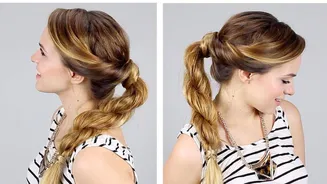
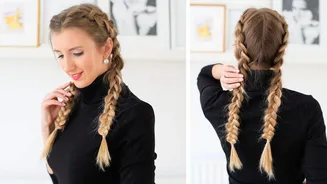
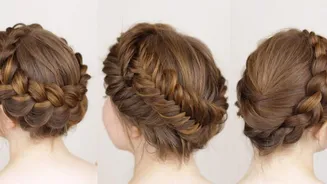
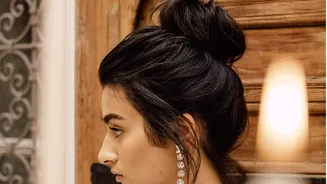
6. Wearing Tight Hairstyles Under Woollens
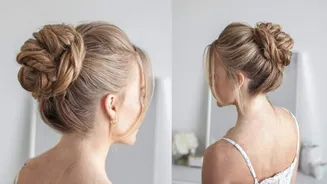
Sleek buns and tight ponytails paired with scarves, beanies, or coats create constant friction. This leads to hairline breakage, flyaways, and weakened roots, especially around the temples and nape.
7. Forgetting To Oil Or Deep Condition
Many people abandon oiling in winter to avoid greasy hair, but this is when hair needs nourishment most. Skipping deep conditioning treatments leaves hair without the moisture barrier it needs to survive cold, dry conditions.
8. Using The Same Products Year-Round
Haircare isn’t one-size-fits-all, especially across seasons. Lightweight summer shampoos and styling products often lack the hydration winter hair requires, making them ineffective during colder months.
Winter hair damage builds slowly. It starts with dryness, progresses to frizz and hair fall, and often ends with breakage by the time spring arrives. Adjusting your routine, even slightly, can prevent long-term damage and preserve hair strength, shine, and elasticity.