
Indian cuisine in 2026 is no longer trying to “arrive” on the global stage. It already has. What’s changing is the language in which it speaks to the world, more precise, more rooted, and far more confident.
As Michelin-starred chef Atul Kochhar observes, “Indian food is no longer trying to explain itself to the world, it is confidently expressing itself. We are moving beyond stereotypes into a space where regional techniques, indigenous ingredients, and contemporary presentation come together to create something both deeply authentic and globally relevant. The future of Indian food on the global stage lies in its stories. As chefs, we are now showcasing forgotten regions, heirloom ingredients, and centuries-old techniques in a language the world understands, while staying rooted in who we are.”
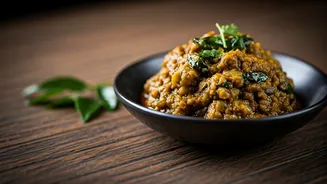
This confidence is visible in how chefs are using technique to tell stories, forgotten regions mapped through menus, heirloom grains and native ferments finding contemporary form, and plates that say “this is our food” without explanation.
At the same time, a parallel shift is shaping menus from the inside out: wellness, transparency, and operational sustainability.
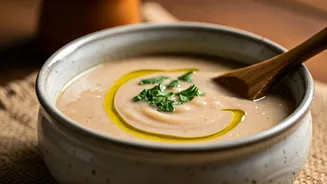
Chef Anuj Kapoor, Culinary Director, Radisson Blu Greater Noida, believes, “The big focus for culinary in 2026 will be on bold global and regional flavours. Fibre, gut health and gastro wellness will become major drivers with high-fibre foods like pulses & beans. Whole grains will continue to be emphasized for this reason. In the upscale, premium dining space, local sourcing, seasonal menus and low-waste cooking will move from marketing tags to basic expectations. In retail as well as restaurant menus – clear labelling, ingredient transparency and minimisation of ambiguity will be non-negotiable.”
Diners, he suggests, now want to know what they’re eating, where it came from, and why it’s on the plate. Sustainability is no longer a narrative device, it is a kitchen baseline.
If Kochhar speaks of confidence and Kapoor of clarity, Chef Vaibhav Bhargava, Food Consultant and Director, Abv Hospitalities Pvt. Ltd., speaks of precision. “What’s making Indian food global today is precision, not nostalgia. Ingredients like mahua, regional rice varieties, native legumes, mountain turmeric, coastal souring agents, and age-old ferments are being recontextualized with modern technique and restraint. At the same time, Indian chefs abroad are cooking with the geography they’re in Nordic vegetables, Southeast Asian herbs, Mediterranean seafood but grounding them in Indian spice architecture. That’s not fusion; that’s culinary intelligence.”
This, perhaps, is the most telling evolution. Indian chefs abroad are no longer trying to recreate India ingredient-for-ingredient. Instead, they cook with local produce while retaining Indian structure and spice logic.
Taken together, these perspectives outline what the Indian plate of 2026 looks like:
Regional techniques as fine-dining vocabulary
Indigenous ingredients treated with scientific respect, not romanticism
Gut health and fibre shaping ingredient choices
Transparency and sustainability as expectations, not applause lines
Indian identity expressed through technique, not replication
Indian food in 2026 is less about proving authenticity and more about practicing it with clarity, confident enough to stop explaining, and precise enough to be understood anywhere in the world.