







History is filled with inventions that were initially laughed at, dismissed as pointless, or labelled worthless, only to later become indispensable to everyday life. These ideas did not just succeed; they
reshaped civilisation.
From telephones and electric bulbs to aeroplanes, motor cars and smartphones, many innovations we now take for granted were once ridiculed. Ironically, these very inventions went on to make life easier, faster and more connected.
The Telephone Was Branded A Child’s Toy
The first such story belongs to the telephone. When Alexander Graham Bell invented it, Western Union, the leading telegraph company of the time, flatly rejected the idea. They reportedly dismissed the telephone as a ‘toy’ with no commercial value.
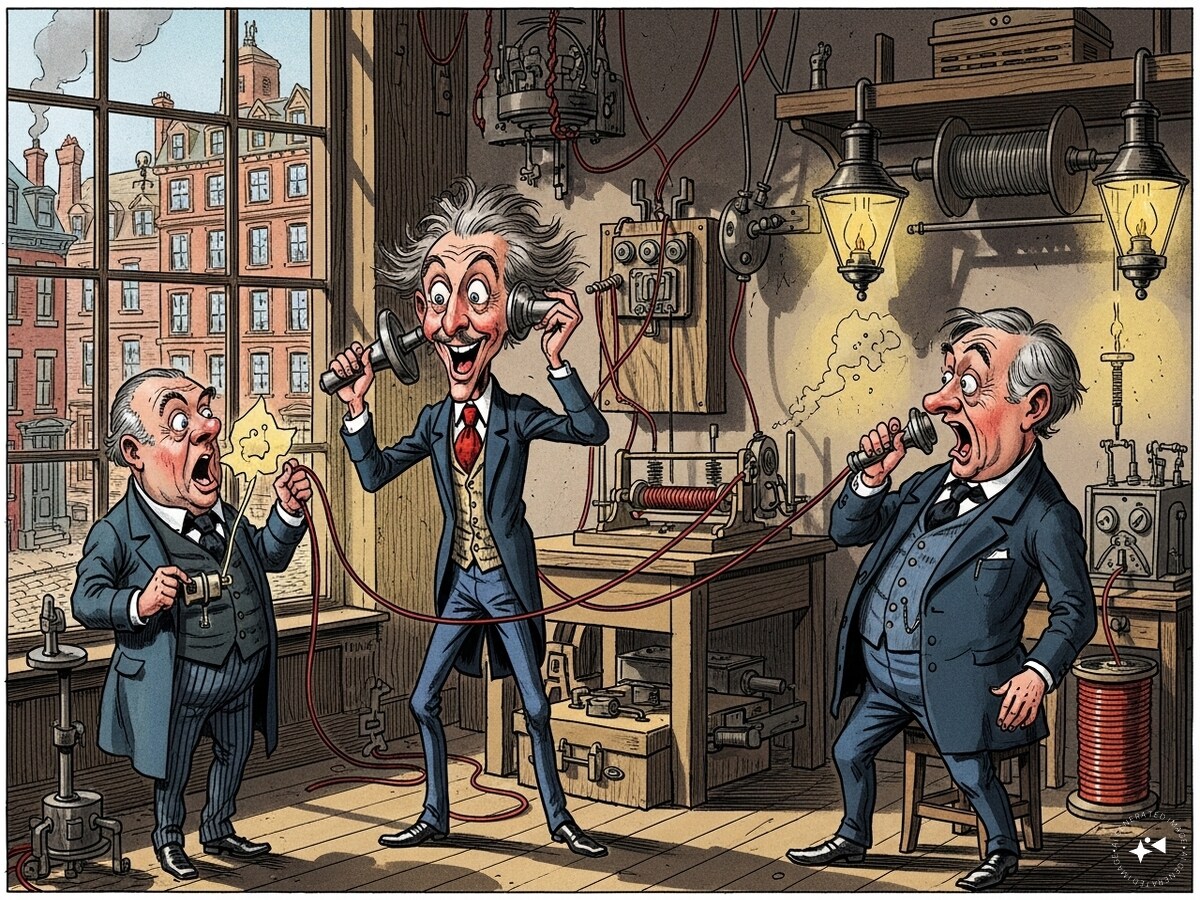
That so-called toy later became the foundation of the global communication revolution.
From landlines to mobile phones and eventually smartphones, Bell’s invention changed how the world speaks. At the time, people were astonished that voices could travel instantly across thousands of kilometres, something we now consider ordinary.
The Electric Bulb Was Mocked As Dangerous
The second invention to face ridicule was the electric bulb. Thomas Alva Edison’s bulb promised to banish darkness from homes, replacing gas lamps that were widely considered safe and reliable, despite frequent fire accidents.
When Edison demonstrated the bulb, critics rejected it outright, calling it ‘too fragile’ and ‘dangerous’ for household use. Yet Edison persisted. More than a century later, electric lighting is a universal necessity, illuminating homes across the globe.
Can Humans Fly?
Perhaps the most shocking scepticism surrounded the invention of the aeroplane. When the Wright brothers first demonstrated powered flight, many believed it would never become practical, let alone global.
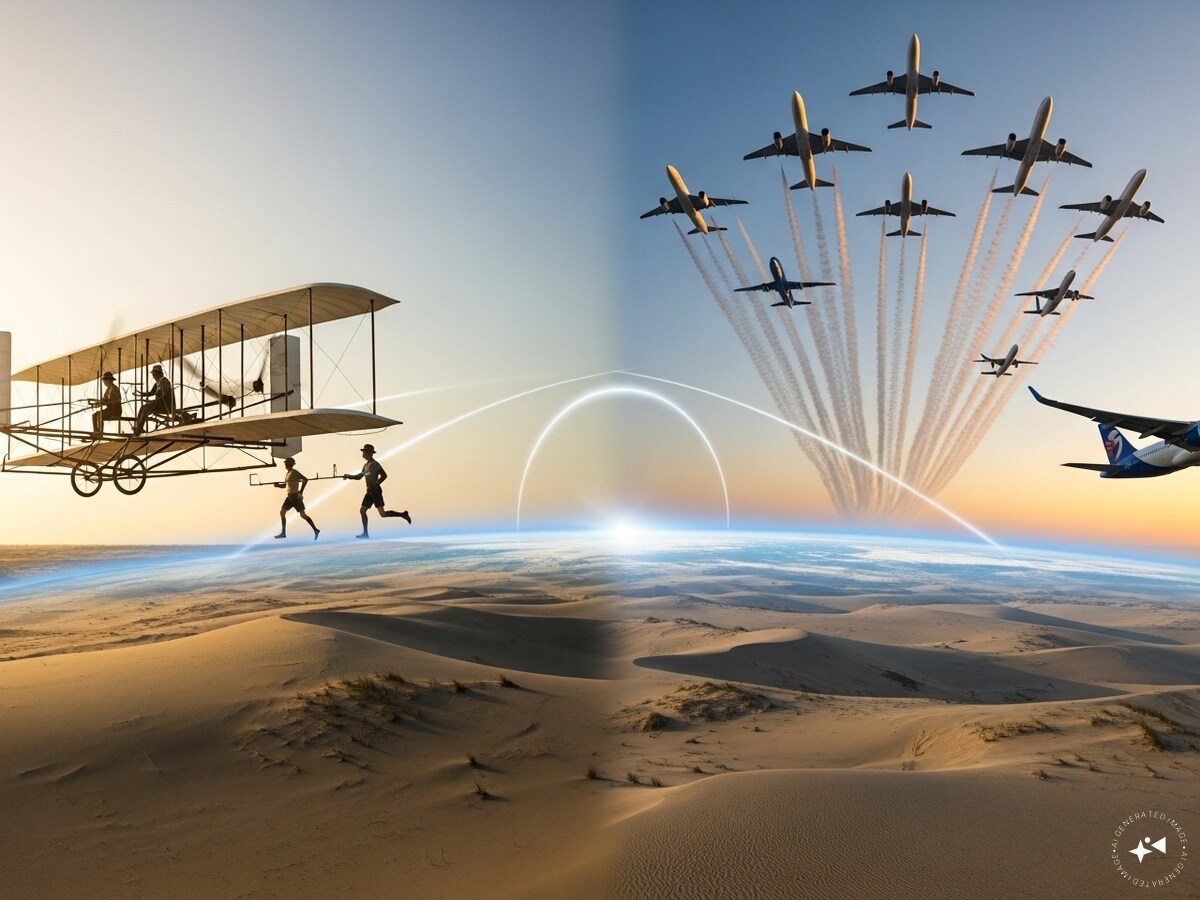
Around 1900, newspapers and scientists confidently declared that humans would never fly. One scientific journal even claimed that human flight might be possible, but not within the next million years. When the Wright brothers proved otherwise, critics still called it unsafe.
Fast forward to today: between 100,000 and 115,000 commercial flights operate worldwide every day. Including cargo, military and private aircraft, the numbers rise even higher. At peak times, 8,000 to 20,000 planes are airborne simultaneously. By 2025, global flights are projected to reach around 39 million annually, carrying 13 to 15 million passengers daily.
Cars Were Considered Slower Than Horses
The motorcar faced equal resistance. When cars appeared in the 19th century, many argued that nothing could ever be faster or more reliable than a horse-drawn carriage.
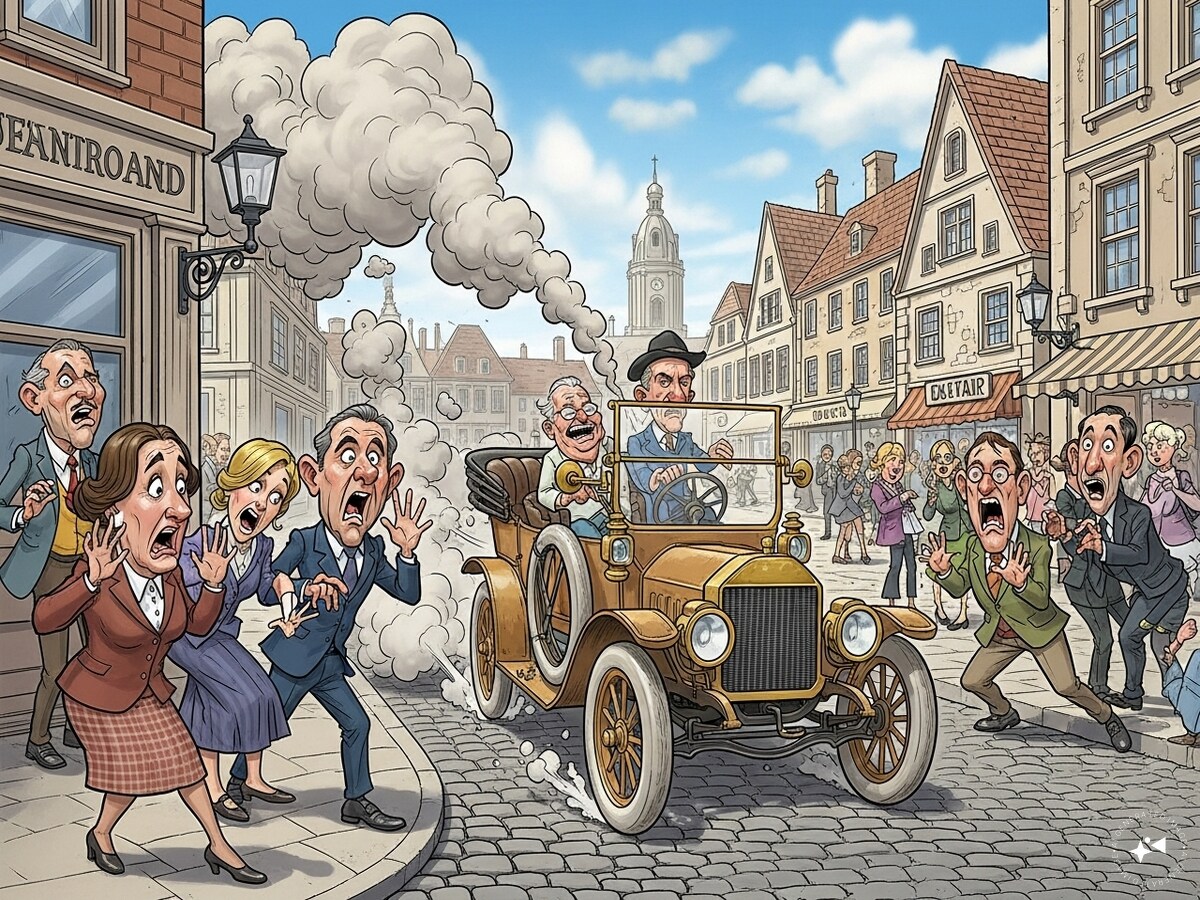
In Britain, the fear was so strong that the ‘Red Flag Act’ required a man to walk in front of a car waving a red flag to warn pedestrians. Today, cars are essential to modern life, and daily commuting without them is almost unimaginable.
Computers Were Called a Waste of Time
When early computers emerged in the 1940s and 1950s, critics famously claimed that the world would never need more than four or five machines. These room-sized computers were seen as impractical and unnecessary.
Later, through the microchip and the internet revolution, computers shrank into devices that fit into pockets. Similarly, television technology in the 1920s and 1930s was dismissed as a distraction. Critics asked why anyone would abandon radio for a screen. Today, television remains one of the world’s biggest sources of entertainment and information.
The Internet Was ‘Not for the Public’
When ARPANET, the early form of the internet, was developed in the 1960s and 1970s, it was considered strictly for military or academic use. Many believed it had no value for ordinary people.
Now, the internet connects the entire planet. Information, videos, images and communication can be transmitted across continents in seconds, fundamentally transforming how the world works.
Smartphones Were Once ‘Toys for the Rich’
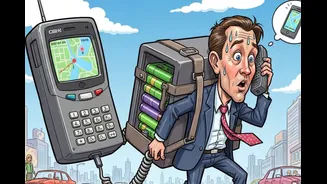
Few inventions have become as essential as the mobile phone. Yet when early mobile phones appeared in the 1980s, they were bulky, expensive and widely mocked as useless gadgets meant only for the wealthy.
Critics insisted that the common person would never own one. Today, smartphones are everywhere, so integral to life that they are often joked about as an extension of the human body.
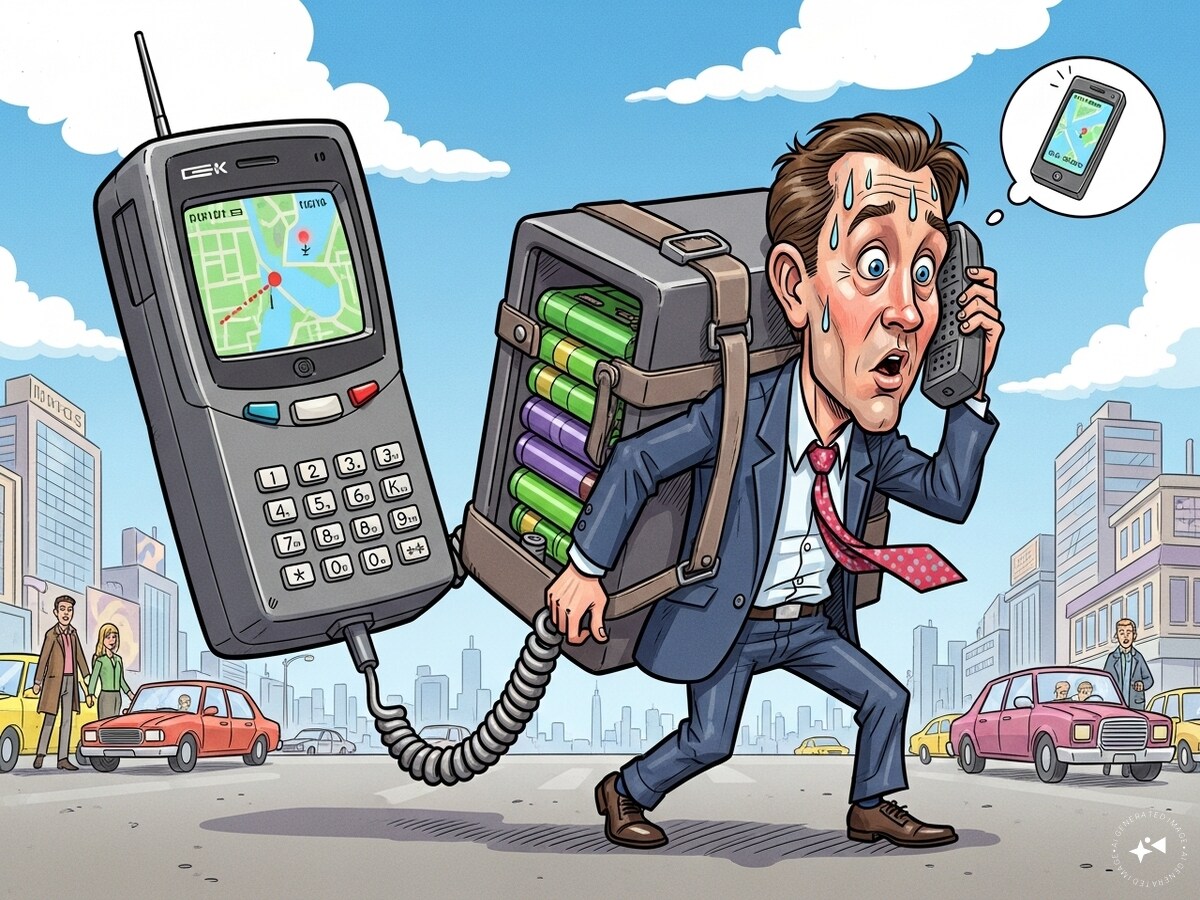
As the saying goes, ‘If you have a mobile phone, you have the world in your hands.’
Musicians Feared Recorded Music
Another invention by Thomas Alva Edison, recorded music and the gramophone, also faced fierce opposition. Musicians feared recordings would destroy live performances and strip music of its soul.
Instead, recordings brought music into every household and created a global entertainment industry, preserving performances for generations.
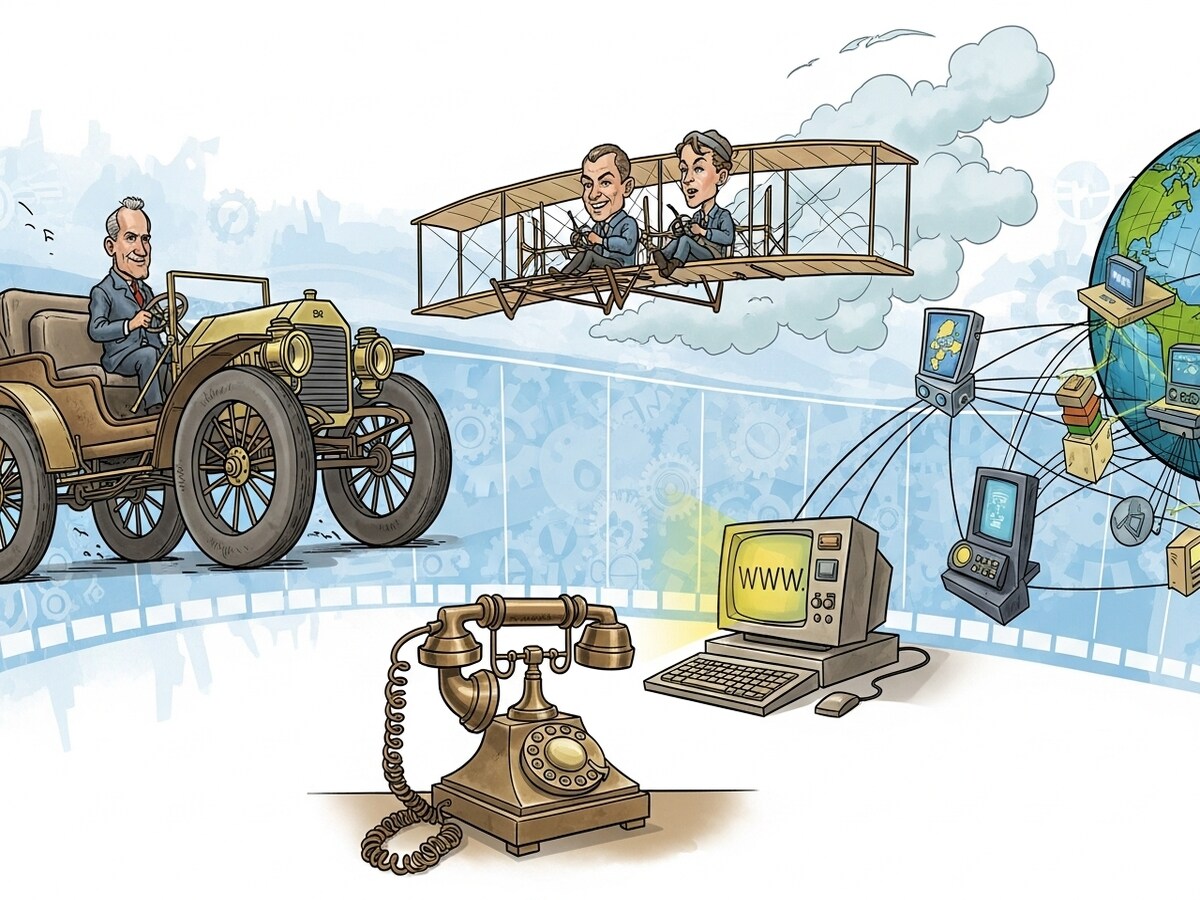
Ridicule Is Often the First Step to Revolution
These stories reveal a powerful truth: every revolutionary idea begins with doubt, scepticism or outright mockery. Yet time and persistence turn disbelief into dependence.
What was once dismissed as useless often becomes essential, proving that progress rarely arrives without resistance.