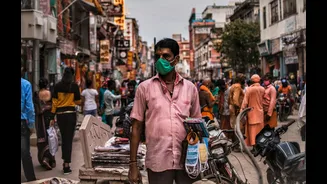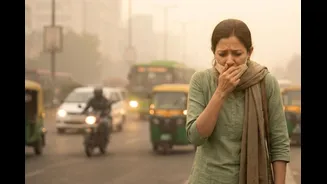





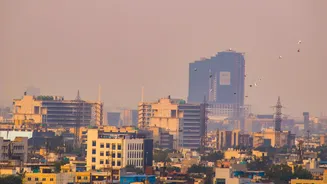

Air quality remains a concern across several Indian cities on November 11, with Delhi-NCR continuing to face elevated pollution levels even as conditions show signs of improvement in parts of the national
capital. According to CPCB data reported on Wednesday morning, Delhi recorded a city-level AQI of 301, placing it in the ‘Very Poor’ category.
Meanwhile, readings across other cities also show considerable variation. Recent figures for November 10 put Chennai at 171, Mumbai at 141, Bengaluru at 132, Kolkata at 123 and Hyderabad at 120, all in the ‘Moderate’ category.
While pollution levels differ from city to city, exposure to polluted air can irritate the respiratory tract and aggravate existing health conditions. A morning walk leaves you coughing, climbing a flight of stairs makes you unusually breathless, or you find yourself wheezing even when sitting indoors. When air pollution levels rise, these symptoms can become increasingly common. However, assuming that every bout of coughing or breathing difficulty is simply a reaction to smog could mean overlooking an important health warning.
A persistent cough, wheezing, chest tightness or breathlessness may initially seem like temporary reactions to poor air quality. However, when should these symptoms raise concern, and how can you tell when it is time to seek medical attention?
Is Your Cough A Temporary Reaction To Pollution Or Something More?
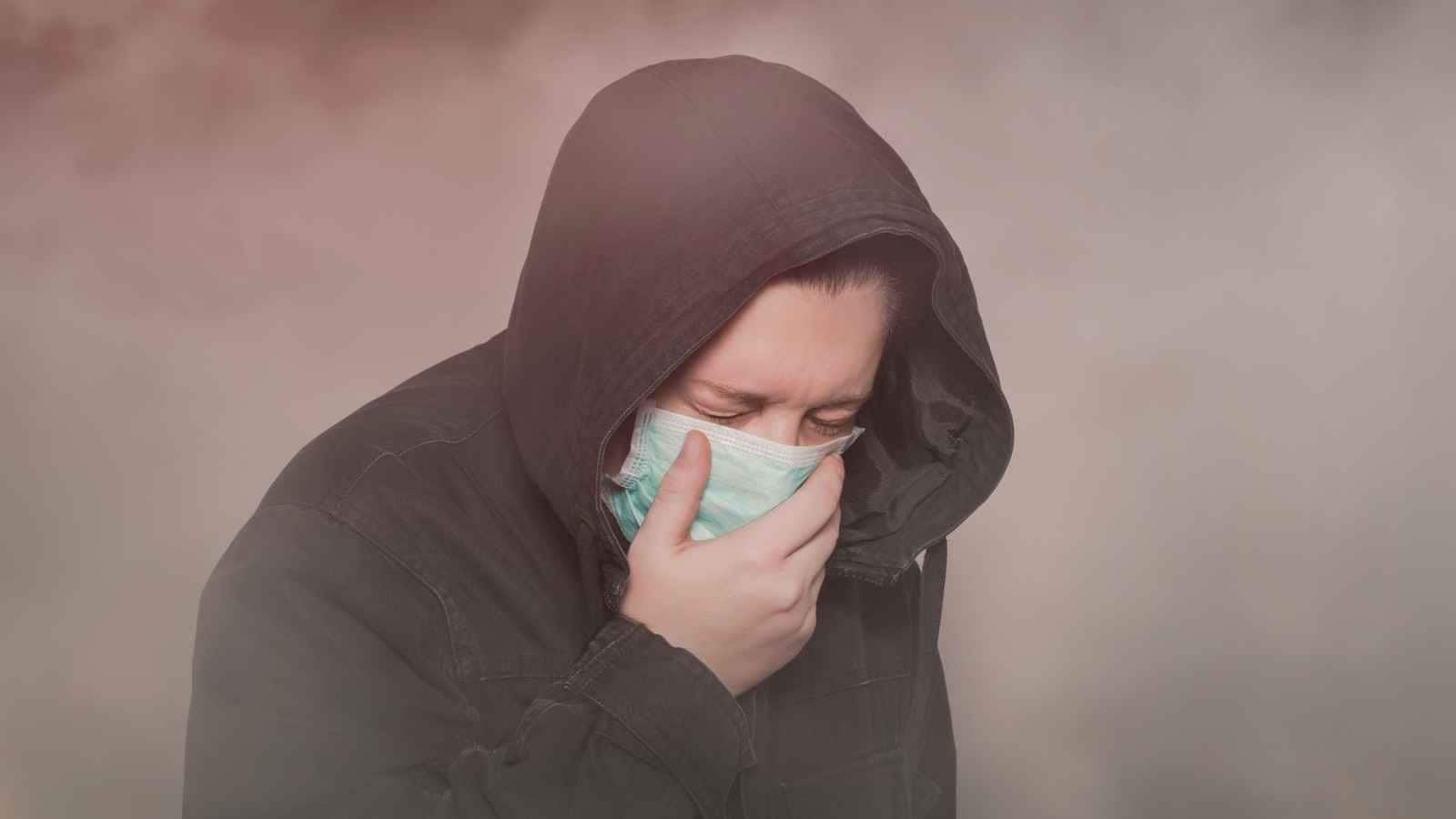
Not every cough during high-pollution days indicates a serious respiratory problem. Brief throat irritation or occasional coughing may occur after exposure to smoke, dust and other airborne pollutants. However, a cough that continues, becomes more frequent or disrupts sleep should not be dismissed.
Dr Sanket Jain, Consultant Pulmonology, Wockhardt Hospitals, Mumbai Central, explains, “Firecracker emissions release fine particulate matter (PM2.5), toxic gases and other pollutants that irritate the airways. When these mix with existing pollution, the respiratory burden increases. People may experience throat irritation, persistent coughing, chest tightness, wheezing or breathlessness.”
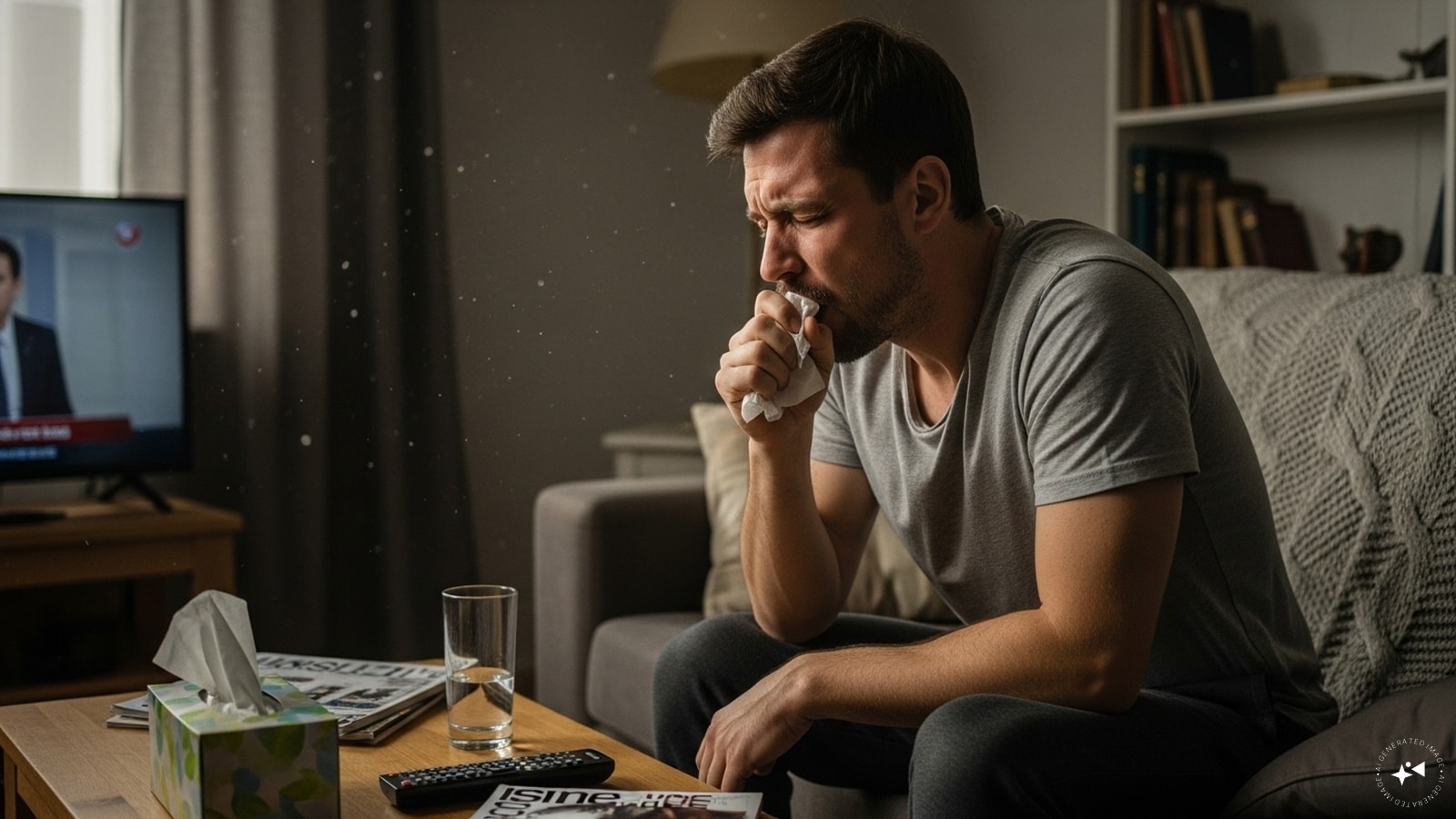
He adds that people with asthma, chronic obstructive pulmonary disease (COPD) and other lung conditions are particularly vulnerable, although even otherwise healthy individuals can develop respiratory symptoms.
When Does Wheezing Or Breathlessness Become A Warning Sign?
Wheezing, which often sounds like a whistling noise while breathing, can indicate narrowed or inflamed airways. Similarly, breathlessness that appears during activities you could previously manage comfortably deserves attention.
According to Dr Jain, warning signs include a cough that persists or worsens, wheezing, breathlessness during routine activities, chest tightness and difficulty sleeping because of coughing.
He advises seeking immediate medical attention if someone is struggling to breathe, experiencing severe chest discomfort or finding it difficult to speak in complete sentences.
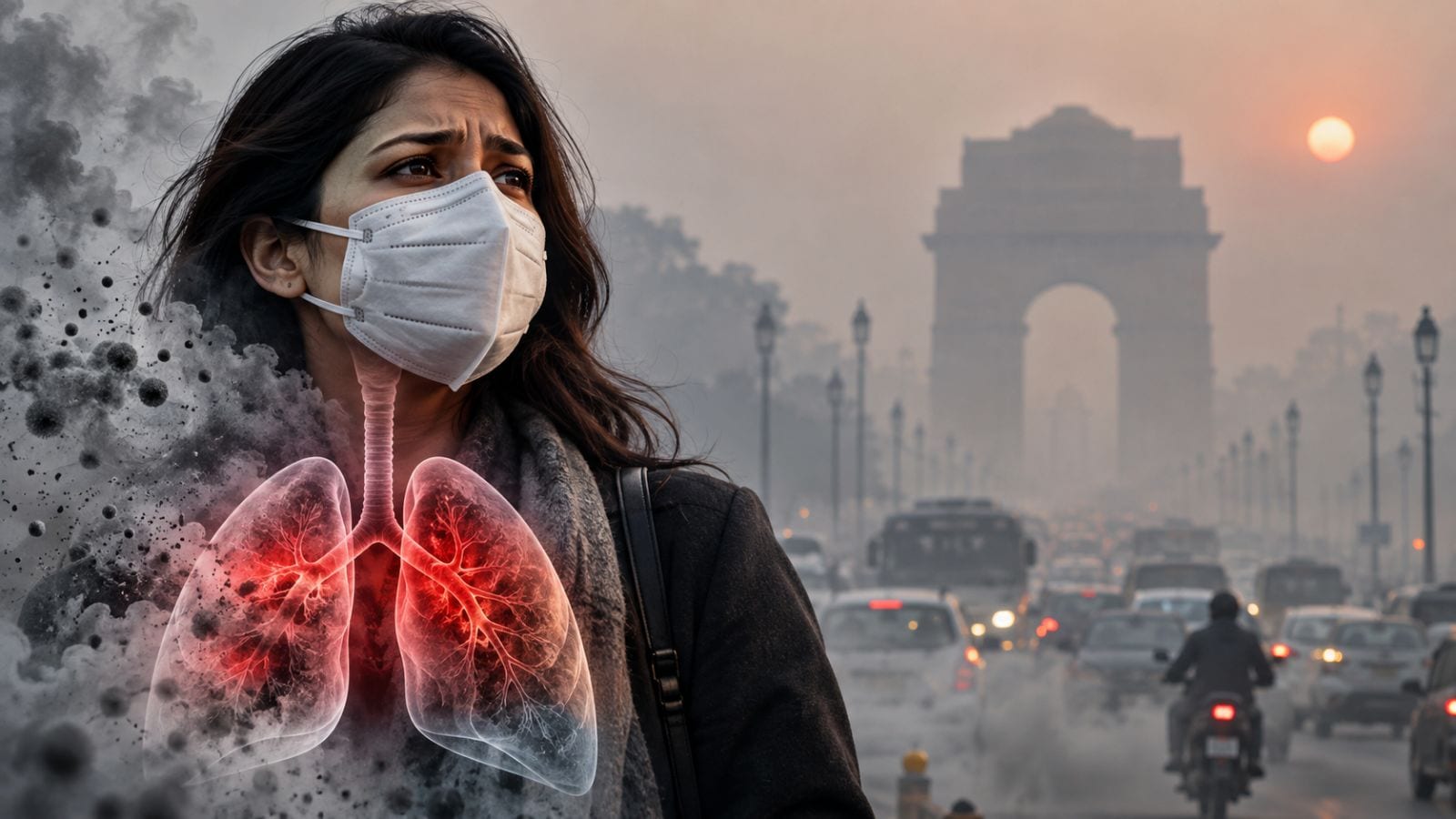
A useful distinction is whether the symptoms are affecting everyday functioning. If walking short distances, climbing stairs or performing routine household activities leaves you unusually breathless, consult a doctor rather than assuming it is a temporary pollution response.
Can Pollution-Related Symptoms Also Signal A Heart Problem?
Breathing difficulties during high-pollution days are not always restricted to the lungs. Air pollution can also affect the cardiovascular system, particularly among people with existing heart conditions.
Dr Saumya Sekhar Jenasamant, Consultant Cardiothoracic & Vascular Surgeon, KIMS Hospitals, Thane, explains, “Air pollution adds a considerable amount of stress on the heart and blood vessels. Firecrackers release fine particles such as PM2.5, which can enter the bloodstream through the lungs and trigger inflammation. This affects blood vessel function. It can increase blood pressure and make the blood more prone to clotting.”
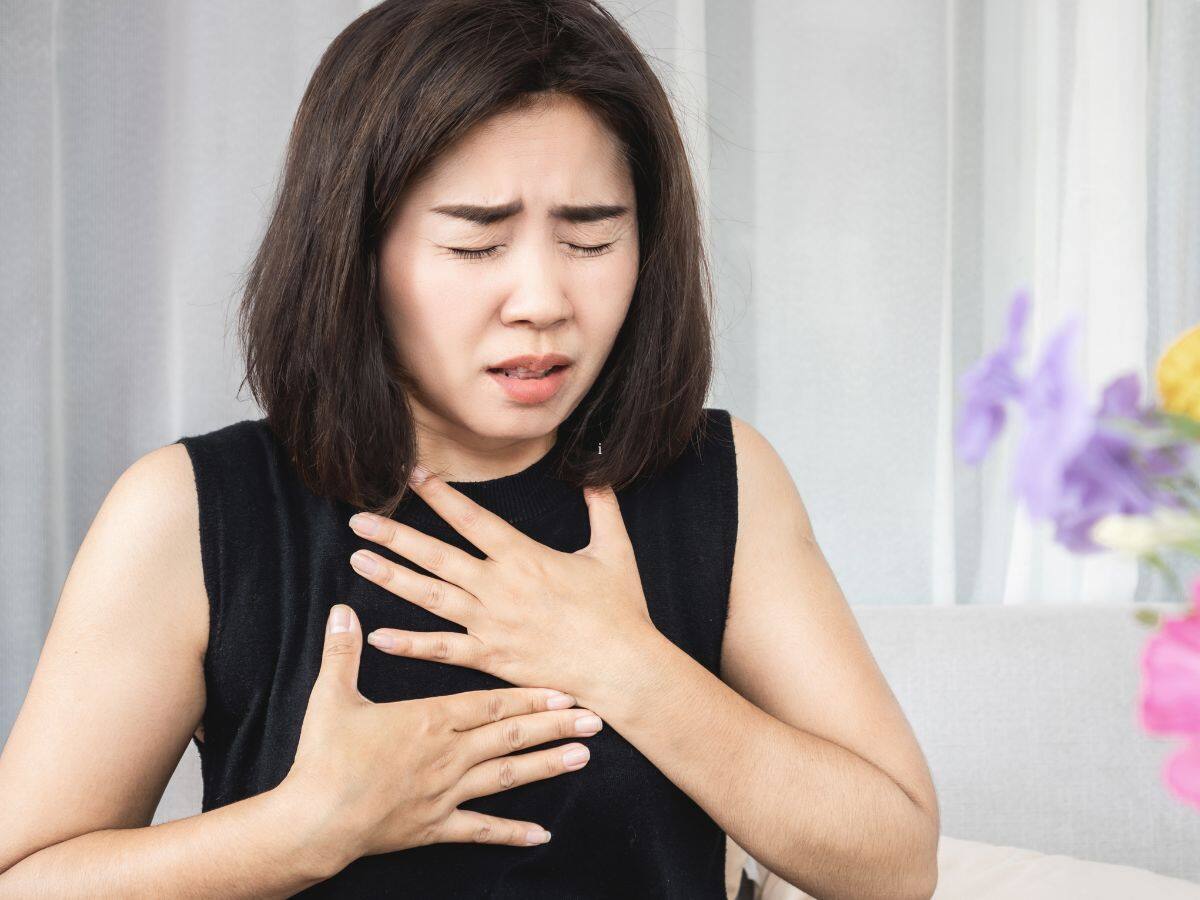
She cautions that unusual chest discomfort, breathlessness during routine activities, palpitations, unexplained fatigue, dizziness or excessive sweating should not be ignored.
“Chest pressure, especially when accompanied by sweating, nausea or pain radiating to the arm or jaw, requires prompt medical attention,” she adds.
If chest pressure or severe breathlessness occurs, seek emergency medical care instead of waiting for symptoms to subside.
Who Is More Vulnerable To High-Pollution Exposure?
Children, senior citizens, pregnant women and people with pre-existing respiratory or cardiovascular conditions need to be particularly careful.
Dr Jain explains that children have developing lungs, while older adults may have reduced respiratory reserves. People with asthma, COPD, heart disease or other existing conditions may also experience worsening symptoms after exposure.
Dr Jenasamant identifies senior citizens and people with coronary artery disease, hypertension, diabetes, high cholesterol or a previous history of heart attack as groups at higher risk of cardiovascular complications. However, prolonged exposure can affect healthy individuals too.
What Precautions Can Protect Your Lungs And Heart?
When AQI levels deteriorate, reducing exposure is important. Both experts recommend taking practical precautions:
- Check daily AQI readings: Limit outdoor activities when pollution levels are high, particularly during early mornings and late evenings.
- Wear a well-fitted N95 mask: Use one when stepping outdoors to reduce exposure to fine particulate matter.
- Avoid outdoor exercise: Shift walks, running and strenuous workouts indoors during severe pollution episodes.
- Improve indoor air quality: Keep windows closed during peak pollution hours and use an air purifier if available.
- Continue prescribed medication: People with asthma or COPD should keep their rescue inhalers accessible and follow their treatment plans.
- Monitor heart health: Continue prescribed cardiac medication and check blood pressure regularly if advised by your doctor.
Dr Jenasamant also recommends minimising exposure to firecracker smoke and traffic emissions. Most importantly, she advises people not to dismiss new chest discomfort or unexplained breathlessness as merely an effect of poor air quality.
A cough or irritated throat may settle as exposure reduces, but persistent wheezing, worsening breathlessness and chest discomfort need attention. When your breathing changes or everyday activities suddenly feel difficult, it is better to seek medical advice than wait for the AQI to improve.