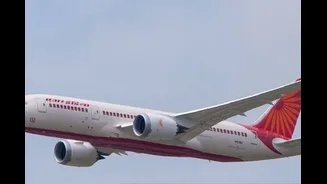








Hundreds of passengers on board an Air India flight to Mumbai had no idea how close they came to a major aviation crisis early Monday, December 22, when a sudden engine oil pressure failure moments after
take-off forced the aircraft to return to Delhi.
Air India Flight AI887, operating a Boeing 777, had departed from Delhi and was climbing towards cruising altitude when the cockpit was jolted by a red warning light and an alarm. As the pilots began retracting the flaps after take-off, engine instruments showed oil pressure in the right engine dropping sharply. Within seconds, the gauge hit zero, sources said.
In aviation terms, zero oil pressure is among the most critical emergencies a pilot can face. Oil acts as the lifeblood of a jet engine, lubricating fast-spinning internal components and preventing extreme heat buildup. A complete loss of pressure, known as oil starvation, means the engine is at imminent risk of seizure, fire or explosion.
According to officials familiar with the incident, the pilots did not hesitate. Following standard operating procedures, they shut down the affected engine mid-air, informed air traffic control and decided to return to Delhi. The twin-engine Boeing 777 is designed to fly safely on a single engine, a capability the crew relied on to bring the aircraft back without further incident. The flight landed safely, and no passenger or crew member was injured.
Aviation experts said the decision to shut down the engine immediately was crucial. At high temperatures, a jet engine without lubrication can suffer catastrophic internal damage within seconds. Metal components can overheat, melt and fuse together, potentially triggering fires that may spread to fuel lines or wing tanks. That is why pilots are trained to treat such warnings as real, even if there is a possibility of a faulty sensor.
The exact cause of the oil pressure loss is now under investigation. Officials said it could stem from a failure of the oil pump, a rupture in a pipe or seal leading to oil leakage, or a malfunctioning sensor. However, pilots cannot afford to wait for confirmation while airborne.
The Directorate General of Civil Aviation (DGCA) swung into action soon after the incident, asking the airline to conduct a detailed probe through its permanent investigation board. The engine will be fully examined to identify the source of the failure. The Ministry of Civil Aviation has also sought a report from the airline and directed it to make alternate arrangements for affected passengers.
The incident has raised fresh concerns as it comes close on the heels of another technical snag involving the airline. Just four days earlier, an Air India Express flight was cancelled at Vijayawada Gannavaram Airport after an engine issue was detected while the aircraft was taxiing for take-off. That flight had former Vice President M Venkaiah Naidu, Andhra Pradesh agriculture minister K Acchennaidu and other VIPs on board.
While no injuries were reported in either case, aviation experts said engine-related incidents, especially those occurring immediately after take-off, underline the importance of rigorous maintenance and swift cockpit decision-making.