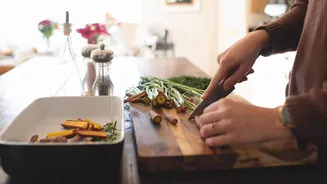

Home cooking has evolved. With faster prep tools, better ingredients and smarter kitchens, the real differentiator today isn’t effort but intention. What separates a decent meal from a memorable one often
comes down to a handful of small, deliberate choices made in the final minutes of cooking. Professional chefs rely on these micro techniques daily to build depth, aroma and balance without adding complexity or time.
These are not elaborate methods reserved for restaurant kitchens. They are simple, repeatable habits – tested, trusted and approved by chefs – that can instantly elevate everything from dal and pasta to roasted vegetables and salads.
1. Start Garlic In Cold Oil (Reverse Frying)
Most home cooks add garlic to hot oil, but chefs often do the opposite. Starting garlic in cold oil allows its flavour to infuse gently as the oil heats up, preventing bitterness or burning. As both warm together, the garlic turns evenly golden while releasing maximum aroma. This garlic-infused oil can then be used as a base for soy sauce preparations, pasta, or Indian tadkas, resulting in deeper, more rounded flavour with zero extra effort.
2. Press Fresh Herbs With Salt To Unlock Aroma
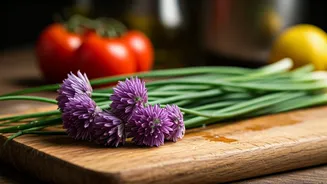
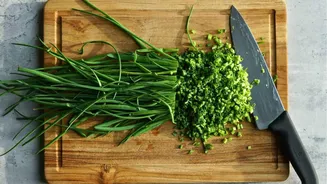
Fresh herbs like basil, coriander and mint hold their flavour in delicate oil-filled cells. Lightly pressing them with a pinch of salt ruptures those cells instantly, releasing essential oils before cooking even begins. Chef Siddharaj Pant says, “Salt is a natural flavour conductor, therefore when combined with fresh herbs for a few seconds the herb oils will come alive. Adding this small step gives your dish a restaurant-level brightness.” This technique works especially well for chutneys, garnishes and last-minute herb additions.
3. Use Pickle Oil As A Finishing Touch
One of the most underrated flavour boosters in Indian kitchens is achaar oil. Rich with spice, acidity and age, it behaves much like infused olive oil or chilli oil in professional kitchens. A few drops added to dals, marinades, roasted vegetables or even yoghurt-based dishes adds instant complexity and depth, without overpowering the dish.
4. Add Citrus Without Liquid
Freshness doesn’t always require juice. Citrus salts, dehydrated lemon or lime zest, powdered lime leaves or dried citrus peel provide brightness without diluting flavour. Sprinkle a pinch over curries, fish, eggs or salads just before serving for an unexpected lift that sharpens the dish without changing its texture.
5. Finish With Acid, Not More Salt
If a dish tastes flat, it’s often lacking acid – not seasoning. Instead of adding more salt, finish with lemon juice, vinegar, kokum or amchur powder. Acid enhances clarity, lifts heaviness and sharpens flavours across soups, gravies and salads. Even a teaspoon added at the end can dramatically refresh a dish and prevent over-salting.
6. Add Fresh Aromatics At The Very End
Heat destroys freshness. Ingredients like citrus zest, coriander stems, green chillies and fresh ginger contain volatile compounds that define a dish’s final aroma. Adding them just before switching off the heat or plating preserves their intensity and ensures the last bite is as fragrant as the first.
7. Cook With Blended Fats For Depth
Chefs often combine fats to balance richness and flavour. Butter mixed with olive oil, ghee with neutral oil, or cream blended with coconut milk creates warmth without heaviness. This approach also stabilises cooking temperatures while adding layered flavour to the base of the dish.
8. Infuse Flavour Through Steam
Adding herbs, citrus peels or whole spices under the lid while cooking allows steam to carry aroma back into the food as it condenses. Chef Sumanta Nandi explains, “The steam form is one of the most underutilised methods of flavour transport. When you use it in a focused manner – through the intentional condensation of the steam onto your food or as the holder/container of your flavour, you’ll find that you get a naturally occurring infusion of flavour that tastes much more integrated with the food.” This technique works beautifully for rice, curries and braised vegetables.