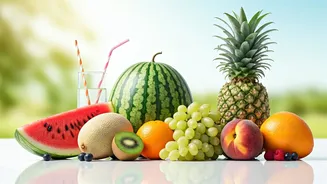






As temperatures rise and dehydration-related fatigue becomes increasingly common, doctors are urging people to rethink how they hydrate. They are highlighting that relying only on plain water may not be enough;
instead, incorporating water-rich foods and electrolyte-balanced options into daily diets can help the body retain fluids more effectively, especially during peak summer months when fluid loss is at its highest.
Why Hydration Needs A Rethink
“Hydration isn’t just about how much water one is drinking but it’s about how well your body is actually able to use it and hold on to that fluid,” says Dr. Archana Pate, Senior Consultant – Internal Medicine, Fortis Hospital, Kalyan. “Many foods naturally contain high amounts of water and electrolytes that helps the body stay hydrated,” adds Rutu Dhodapkar, Deputy Manager – Clinical Dietetics, P.D. Hinduja Hospital, Khar.
Why Plain Water Isn’t Always Enough
While drinking water is essential, it doesn’t fully replace what the body loses through sweat – particularly electrolytes like sodium, potassium, and magnesium. Dr. Pate explains that excessive plain water intake can even dilute sodium levels, potentially leading to hyponatremia, a condition linked to fatigue, muscle cramps, and dizziness. “Maintaining hydration only with water is insufficient because the body loses fluids and electrolytes,” she notes. This is where food steps in – not just as nourishment, but as a functional hydration tool.
Foods That Hydrate Better Than Water
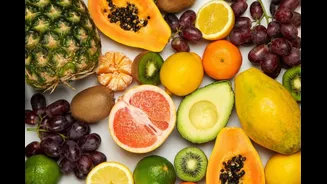
Hydrating foods combine water content with essential nutrients, allowing better absorption and retention. According to Dhodapkar, these are some of the most effective options:
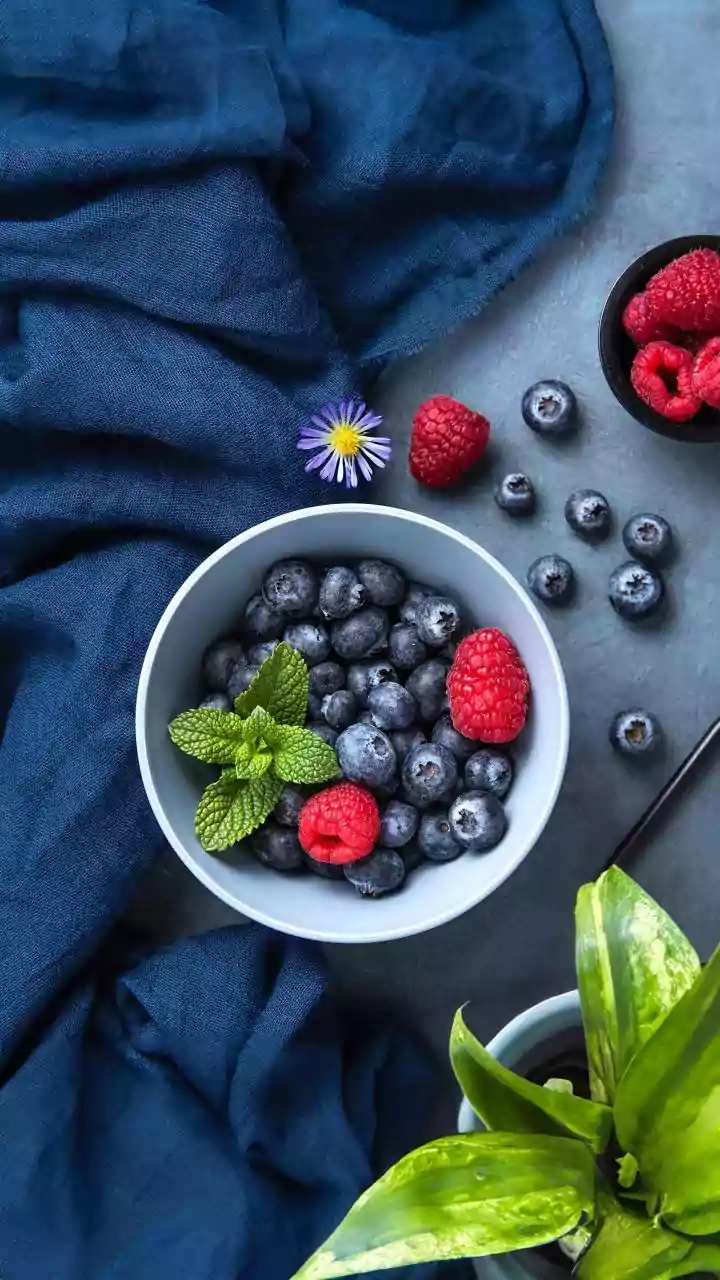
- Cucumber (95–96% water): Helps maintain fluid balance; easy to add to salads or raita
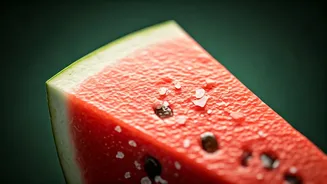
- Watermelon (92%): Rich in potassium and magnesium; also contains lycopene
- Muskmelon (90%): Supports immunity with vitamins A and C
- Strawberries (91%): Hydrating and packed with antioxidants
- Oranges (86–88%): Provide fluids along with vitamin C and electrolytes
- Tomatoes (94–95%): Offer hydration plus lycopene and potassium
- Leafy greens (92–96%): Add fluids along with iron and folate
- Coconut water: Naturally rich in electrolytes, ideal for rehydration
“These foods not only replenish fluids but also provide vitamins, minerals and fibre,” Dhodapkar explains.
How The Body Retains Hydration
The real advantage of ‘eating your water’ lies in how the body processes it. As Dr. Pate highlights, the presence of electrolytes helps the intestine absorb water more efficiently, while fibre slows its release, ensuring longer-lasting hydration. This gradual absorption prevents rapid fluid loss, helping maintain plasma volume and overall balance, especially in hot climates.
Doctors observe that people who incorporate hydrating foods into their daily routines often report tangible improvements such as reduced fatigue, fewer muscle cramps, and better heat tolerance within days. Adding infused water with ingredients like cucumber, mint, amla, or ginger can further enhance hydration while making intake more enjoyable.
Hydration is no longer just about drinking more, but it’s about absorbing better. By combining water intake with nutrient-rich, water-dense foods, it’s possible to support the body more effectively through heat and daily stress. In a season where dehydration is common, this simple dietary shift could make all the difference.