







Oral health awareness may be improving in India, but actual behaviour tells a different story. A significant number of Indians still avoid visiting the dentist until symptoms become severe enough to disrupt
daily life. Studies and expert observations suggest that nearly 85% of adults experience dental issues, yet preventive check-ups remain uncommon.
Now think about this for a moment, when was the last time you, or anyone in your family, went to see a dentist for a routine check-up, not because something hurt, but simply to ensure everything was fine? For most people, the answer is not recent and that hesitation is exactly where the problem begins.
This trend is not driven by a single factor. It reflects a mix of long-standing habits, cultural beliefs, fear, accessibility issues and cost concerns. What this really means is that oral health continues to be treated as secondary, despite its clear connection to overall well-being.

What Do People Visit Dentist Only For An Emergency?
According to Dr. Jaineel Parekh, Orthodontist, Laxmi Dental Limited, the biggest gap lies in how people perceive dental care. “Most individuals opt for dental services only when they are in extreme pain. Early signs of problems including sensitivity, bleeding gums, and cavities are usually overlooked,” he explains.
On one hand, these early symptoms may seem minor. On the other, they are often the first warning signs of deeper issues. Ignoring them allows the problem to progress quietly, until intervention becomes more complex and costly.
Fear Plays A Big Role
There is also a psychological barrier that continues to shape behaviour.
“The fear of going through a procedure, anxiety about dental instruments, and stories about painful treatments further discourage timely visits,” says Dr Parekh.
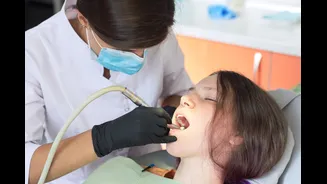
It is not just about discomfort. It is about perception. For many, the idea of a dental chair still feels intimidating, shaped by outdated experiences and second-hand stories rather than current reality.
Comfort Of Home Remedies
Another factor is the reliance on traditional fixes. Clove oil, salt rinses, neem sticks, all of these have long been part of household care.
“Besides, the cultural trend of using home remedies such as clove oil and neem sticks provides temporary relief,” Dr Parekh notes.

While these remedies may soothe symptoms, they rarely address the root cause. It is like pausing a problem rather than solving it.
Cost, Access And Everyday Priorities
Then comes the practical side. Dental care is often seen as expensive, and in many cases, it is not adequately covered by insurance.
“Insufficient insurance coverage, expensive dental treatment, and limited accessibility to such provisions in rural areas contributes further to poor preventive care,” he explains.
Meanwhile, busy schedules quietly push oral health down the list. Work, family and daily responsibilities take over, and routine check-ups rarely make the cut.
Add to that a lack of awareness about newer, quicker and less invasive treatments, and the hesitation grows stronger.
“In the end, the state of our oral health is an important aspect of our overall well-being, including conditions such as diabetes, cardiovascular health, and immunity,” says Dr Parekh.
The solution is not complicated, but it does require a change in mindset. “We need to encourage routine check-ups, improve accessibility, and strengthen early education to address this awareness-action gap,” Dr Parekh emphasises. “This will help shift dental care from a pain-oriented response to a positive, healthy habit.”