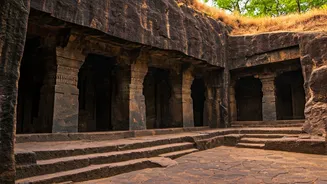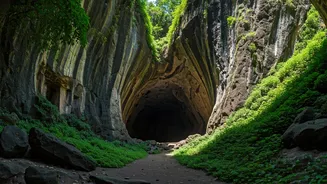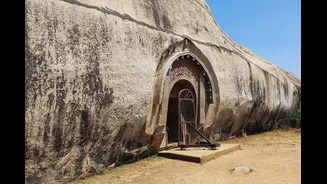









In the rugged granite hills of Jehanabad district in Bihar lies one of India’s most extraordinary yet least celebrated archaeological treasures — the Barabar Caves. Carved more than 2,300 years ago during
the Mauryan Empire, these are the oldest surviving rock-cut caves in the country and a testament to the remarkable engineering prowess and spiritual vision of ancient Bihar.
Dating back to the 3rd century BCE, the Barabar Caves were commissioned by Emperor Ashoka and his grandson Dasharatha. Hewn directly into the hard quartzite rock, the four principal caves — Karan Chaupar, Lomas Rishi, Sudama, and Vishwakarma — showcase the legendary Mauryan polish. Their interiors remain so impeccably smooth and mirror-like that they continue to reflect light even today. Some of the earliest known Brahmi inscriptions found here link the site directly to Emperor Ashoka and the ascetic Ajivika sect, making Barabar not just an architectural wonder but a vital chapter in India’s early historical and religious narrative.
Announced by former Bihar Chief Minister Nitish Kumar during his Pragati Yatra and now under active implementation by the Department of Environment and Forest, the initiative seeks to position Barabar as a key heritage and eco-tourism site alongside Bodh Gaya, Rajgir, and Nalanda.
Historical and Architectural Significance
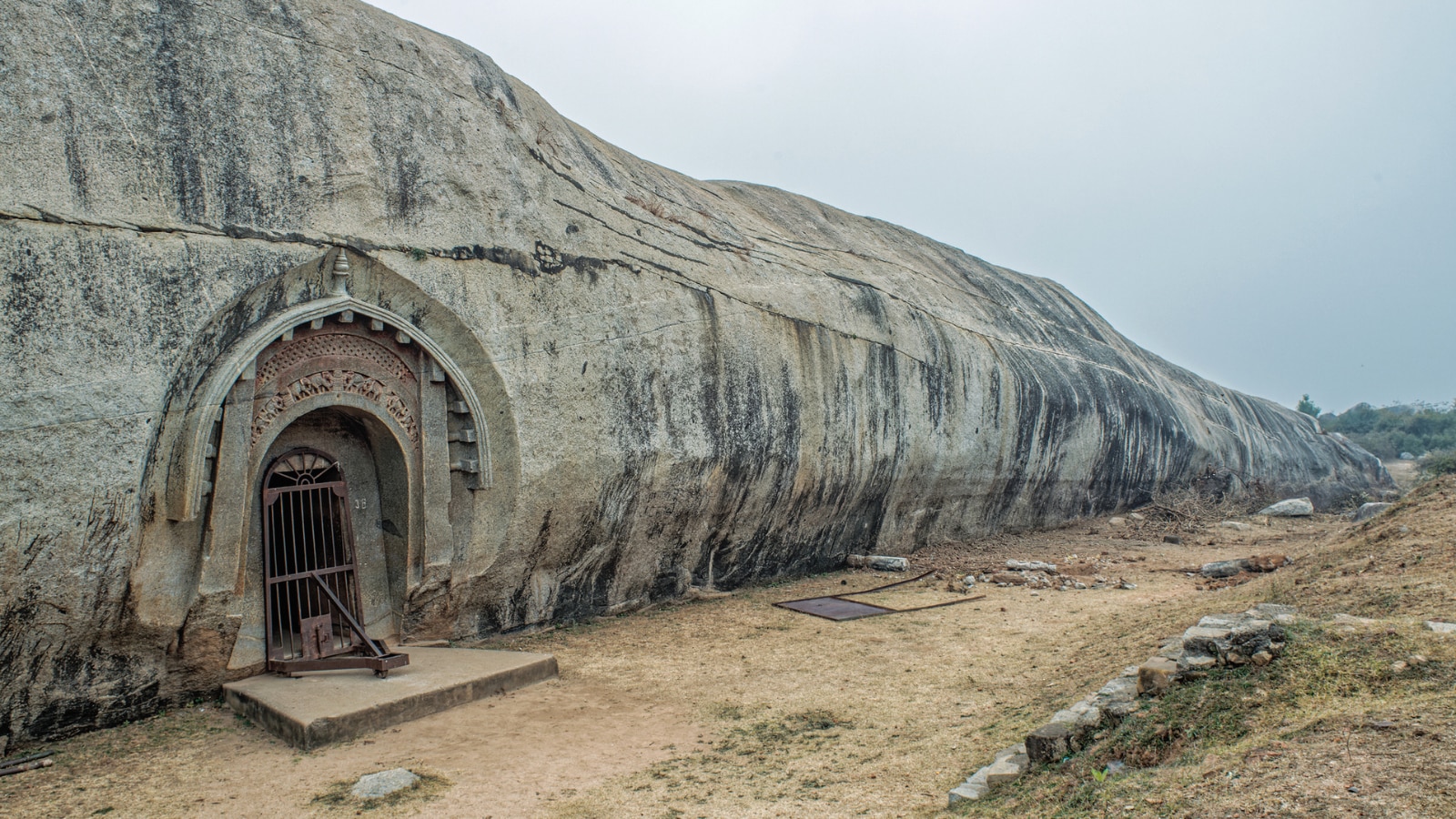
The Barabar Caves, carved in the 3rd century BCE during the Mauryan Empire, represent a remarkable feat of ancient Indian engineering. The four primary caves — Karan Chaupar, Lomas Rishi, Sudama, and Vishwakarma (also known as Visva-Zopri) — feature the renowned Mauryan polish, with interiors so finely finished that they still reflect light more than 2,300 years later.
Several caves contain some of the earliest Brahmi inscriptions associated with Emperor Ashoka and his grandson Dasharatha, dedicated to the ascetic Ajivika sect. These structures are considered prototypes for the later, more elaborate rock-cut architecture seen at Ajanta, Ellora, and Elephanta.
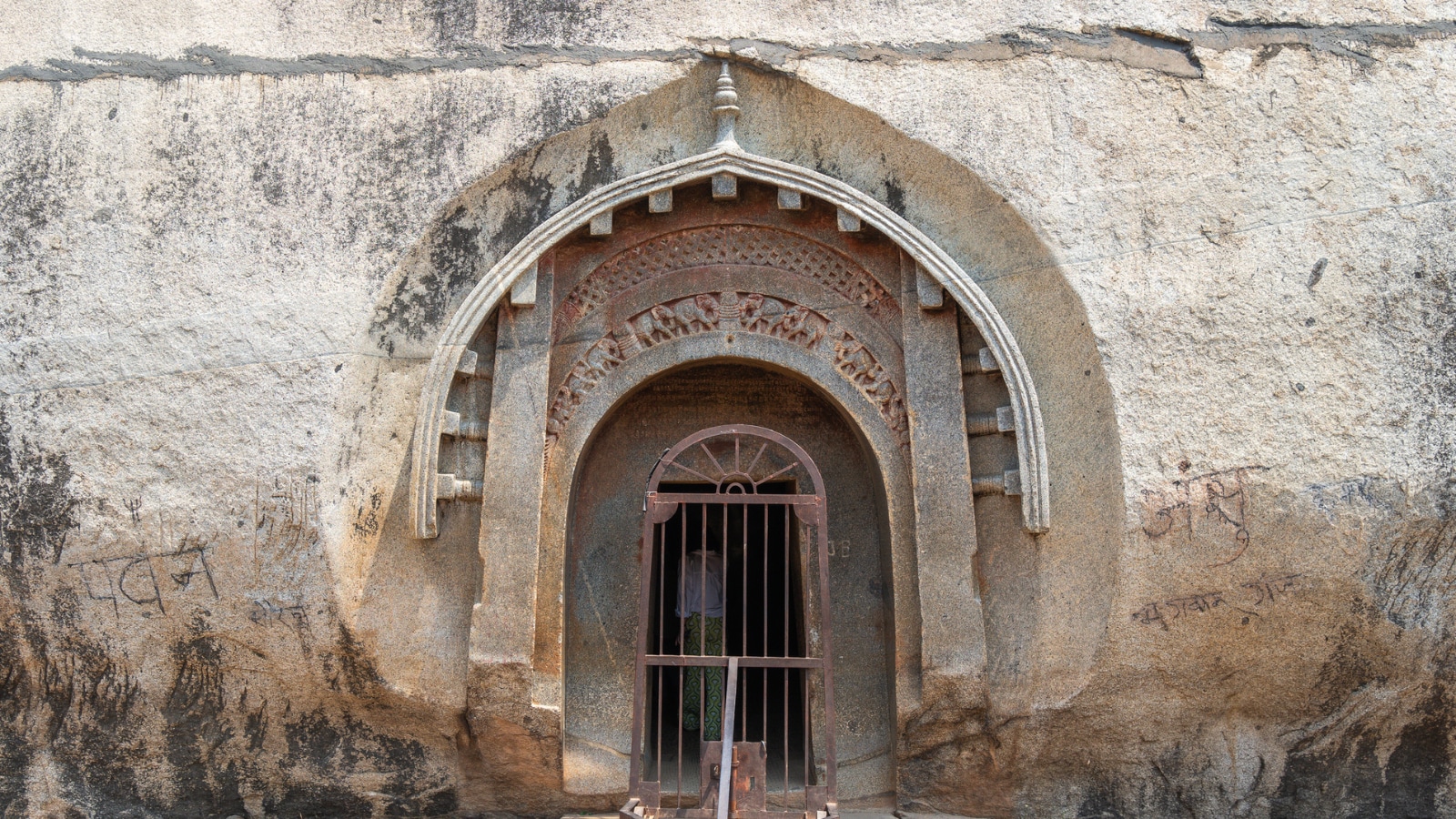
Despite their immense historical importance, the site has remained relatively inaccessible due to difficult terrain, limited connectivity, and basic facilities, attracting mainly serious history enthusiasts and archaeologists.
Why You Should Visit (and When)
Location and Access: Barabar Hills are situated in Makhdumpur block of Jehanabad district, approximately 40 km from Gaya and around 100 km from Patna. The nearest major airport is Jayprakash Narayan International Airport in Patna, while Gaya International Airport serves as a closer option, particularly for those combining the visit with Bodh Gaya.
Best Time to Visit: October to March offers the most comfortable weather. The site can become hot and dry from April onwards, and the monsoon (July–September) makes the paths slippery.
What to Expect: Even after development, visitors should be prepared for some physical exertion, as reaching the caves involves climbing. Sturdy walking shoes, sun protection, hats, and sufficient water are recommended. The new facilities will significantly improve comfort, but the experience will remain relatively low-density compared to more commercialised heritage sites.
Tips for Responsible Travel:
- Follow designated paths and avoid touching the cave walls to prevent damage.
- Use the interpretation facilities and hire local guides (once available) for deeper historical insights.
- Support local communities by purchasing from village-based souvenir sellers and using local transport where possible.