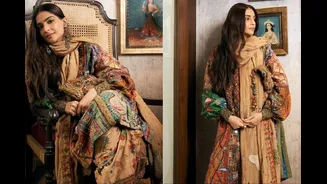

Winter presents a unique challenge for Indian wear lovers. Unlike Western wardrobes that are designed around insulation, structure, and layering from the outset, ethnic fashion often prioritises fluid
silhouettes, drape, and occasion-led dressing. The result is a familiar struggle – outfits that look beautiful indoors but feel impractical, bulky, or uncomfortable outdoors.
The real issue lies not in the clothes themselves, but in how winter dressing is approached. From fabric choices to layering techniques, many styling missteps stem from treating warmth as an afterthought rather than a design principle. When done right, winter ethnic wear can feel elegant, functional, and effortlessly refined.
The Biggest Mistake: Planning The Outfit Before The Weather
Designers agree that the most common error begins at the planning stage. Gaurang Batra, Creative Director at Frontier Raas, explains, “Indian wear is traditionally designed around seasonless elegance and festive occasions, not cold climates.” He adds that people often attempt to wear summer silhouettes in winter without adapting fabrics or layering techniques, leading to discomfort and impractical styling.
Echoing this, Qbik co-founders Vrinda Sachdev and Gurinder Singh note, “With Indian wear, winter dressing often becomes an afterthought rather than part of the planning.” In contrast, Western dressing considers warmth, structure, and layering from the beginning – making winter styling feel more intuitive.
Fabric Choices That Make Or Break Winter Looks
Fabric selection is where most winter ethnic outfits fall short. According to Batra, “The biggest misconception is that winter ethnic wear means only adding a shawl or jacket on top.” True winter dressing, he says, starts at the fabric level, with heavier silks, dense handloom weaves, lined garments, and fuller silhouettes that naturally retain warmth.
Anuj Mundhra, Founder and CMD of Nandani Creation Limited (Jaipur Kurti), stresses the importance of fabric compatibility. “Winter clothing consisting of too stiff textures mixed with soft knits may result in a funny-mixed effect,” he explains. Natural, seasonally appropriate fabrics like wool blends, cotton knits, and woven textiles with liners help maintain balance in both comfort and aesthetics.
Sachdev and Singh further caution against fabrics that don’t respond well to cold. “Choosing materials that crease easily, don’t hold shape, or feel cold against the skin can ruin both comfort and appearance,” they say, adding that winter calls for textiles with body and depth.
Why Lightweight Fabrics Struggle And How To Style Them Smarter
Organza, chiffon, georgette, and lightweight crepes may be visually appealing, but they offer little insulation. Batra points out, “These fabrics are breathable and fluid, which works against warmth in winter.” However, he suggests they can still be worn thoughtfully with full-sleeve blouses, thermal inner slips, woven shawls, or structured jackets.
Similarly, the Qbik founders recommend treating such fabrics as inner layers, paired with achkans, velvet stoles, or faux fur shrugs to make the outfit winter-appropriate without sacrificing style.
Layering Without The Bulk
Layering is often misunderstood as adding volume. Mundhra warns against layering too heavily without any definition, noting that unfitted jackets and bulky cardigans can overwhelm the silhouette, especially when paired with heavy bottom wear.
Batra advises a more refined approach: “Smart layering focuses on density, not volume.” Fitted inner layers, lined blouses, tailored jackets, and structured shawls offer warmth without bulk. Sachdev and Singh agree, stating that combining one strong outer layer with clean inner silhouettes keeps the look sharp.
Accessories, Colour, And Fit Matter More Than You Think
Winter styling isn’t complete without attention to detail. Mundhra highlights the role of accessories, noting that scarves, shawls, and appropriate footwear act as functional style elements rather than afterthoughts. He also encourages experimenting beyond dark winter shades, suggesting earthy neutrals, muted jewel tones, and winter pastels for a fresh yet elegant look.
Most importantly, fit remains non-negotiable. Winter garments should retain structure while allowing ease of movement.
Great winter ethnic dressing is about intention. When fabrics, fit, layering, and accessories are considered together, Indian wear becomes just as functional as it is beautiful. Thoughtful planning transforms winter from a styling challenge into an opportunity for richer textures, deeper colours, and elevated silhouettes that feel both warm and refined.