
A technical glitch in a flagship women-centric employment scheme of the Bihar government has landed several men in an unexpected situation, with authorities now seeking to recover Rs 10,000 each that was
mistakenly credited to their bank accounts.
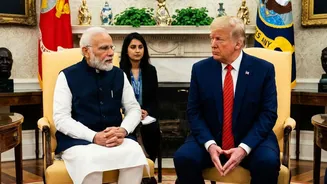
The error surfaced under the Chief Minister Women’s Employment Scheme, launched by Prime Minister Narendra Modi ahead of the Bihar Assembly elections. The scheme aimed to provide financial assistance of Rs 10,000 to around 1.54 crore women across the state to help them start small livelihood ventures. However, due to discrepancies in official records, the amount was also transferred to the accounts of some men.
Officials in Darbhanga district confirmed that the mistake occurred in Jale block, where a number of male beneficiaries unexpectedly received the money meant exclusively for women. An officer said the transfers were the result of a clerical and technical error during data processing.
Once the anomaly was detected, authorities issued written recovery notices, asking the male recipients to deposit the amount back and submit proof of repayment, either a screenshot or receipt, at the Block Project Implementation Unit (BPIU) office so that records could be corrected. So far, notices have been served on 14 men.
The recovery drive, however, has triggered resentment and distress among the men, many of whom belong to extremely poor families. Two of the notice recipients, Nagendra Ram and Balram Sahni, said they had already spent the money on clearing debts and meeting basic household needs.
Balram Sahni, who is physically disabled and works as a daily-wage construction labourer earning about Rs 300 a day, said returning the amount is impossible for him. “The money is gone. It was used for survival,” he said.
Nagendra Ram questioned the timing of the recovery notice, claiming he never applied for the scheme in the first place. “If it was a mistake, why didn’t the government inform us immediately? Why did the notice come nearly three months later?” he asked. He and others alleged that the notices were served only after the elections were over and the NDA had returned to power.
Several villagers echoed this sentiment, alleging that the government first transferred the money, then took their votes, and is now demanding a refund. “We voted, they won, now they want the money back,” said Ram, another notice recipient who is physically disabled and has five children. He said he spent the Rs 10,000 on clothes and essential household items during Diwali and Chhath Puja.
Adding to the anger, a local woman named Pramila Devi remarked that if the government wants the money returned, it should also “return the votes” taken during the election.
The officer acknowledged the lapse, describing it as a clerical mistake, and said efforts are underway to rectify the records. He added that seven villagers have already returned the money following the notices.