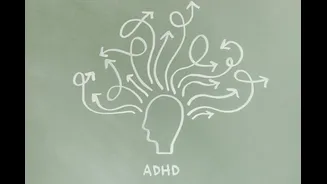









Advancements in information systems, seamless communication and global connectivity have enabled unhindered access to mental health knowledge and professional help. Social media platforms, online health resources
and advocacy movements have collectively contributed to greater awareness, reduced stigma, more open conversations and structured support surrounding psychological well-being.
As a result of this shift, neurological conditions such as Attention Deficit Hyperactivity Disorder (ADHD) are also gaining more attention. Diagnostic criteria have become more refined over time, and treatment approaches are now multi-modal, such as psycho-pharmacological interventions that make use of therapy, medication, as well as environmental modification to better suit the needs of patients. ADHD is now readily detected early in life, enabling children to access support at home and at school through remedial classes, counselling services and academic accommodations.
However, while the prevalence and management of ADHD are commonly recognised and supported among children, ADHD among the adult population has remained significantly underdiagnosed, misunderstood and inadequately accommodated. This disparity raises critical questions regarding how adults, undiagnosed or diagnosed much later in life, navigate the cumulative demands of adulthood whilst being psychologically disadvantaged.
Many adults seek mental health support for concerns such as anxiety, depression, emotional exhaustion or chronic stress without realising that these may be rooted in longstanding attentional and executive functioning difficulties. One factor contributing to this is the fact that the symptoms of ADHD present themselves differently in adulthood than in childhood. For instance, the hyperactivity component observed more evidently in children may manifest as restlessness, racing thoughts or difficulty disengaging mentally in adults. Lack of attention may present as disorganisation, difficulty with task completion or inconsistent performance and is often incorrectly labelled as chronic procrastination or laziness. When these labels are imposed on an individual, they may become internalised, triggering vicious cycles of self-blame and feelings of inadequacy. Further symptoms include emotional dysregulation and impulsivity, reflected in a struggle to delay responses and in hasty decision-making.
Beyond the overt nature of symptoms in adults, the real challenge lies in managing the disproportionate burden of adult responsibilities alongside the hurdles posed by the disorder. Children diagnosed with ADHD are more likely to have multiple sources of assistance to aid their development. Adults with ADHD, however, are expected to juggle professional, domestic, interpersonal and financial responsibilities, and in some cases caregiving roles, in addition to their pre-existing psychological challenges. Adulthood is built on the very premise of self-regulation and competence; alas, neurodivergence is regretfully attributed to moral or motivational failure rather than to differential neurological wiring.
Another layer to this discussion is the persistent minimisation of the experiences of adults with ADHD. In an era of digital overload, frequent distractions from short-form content and the constant need to consume and compare one’s experiences with others often overlook the fact that individuals with ADHD must expend significantly more cognitive and emotional effort simply to meet basic expectations that others appear to accomplish effortlessly. Over time, this overexertion and the pressure to be productive and perform “like everyone else” compound burnout, reinforcing self-blame.
In professional spaces, time blindness (chronic lateness or missed obligations), decision paralysis (difficulty prioritising or choosing between options when faced with an overwhelming number of possibilities) and interpersonal challenges contribute to occupational instability, despite high levels of capability, often leading to job volatility. Inclusive workplace interventions could introduce small-scale practices such as reducing unnecessary sensory stimulation, providing clear written instructions and dividing larger projects into smaller, manageable tasks in order to enhance productivity and well-being for employees with ADHD.
Cultural accommodations are equally important. It is paramount that performance is not evaluated solely on outcomes but also on milestones achieved throughout the process, allowing individuals with varying work styles to coexist and collaborate effectively. Gendered expectations placed upon women regarding caregiving and organisational competence further exacerbate the burden on neurodivergent women. Men, on the other hand, are more likely to face stigma surrounding emotional dysregulation, as it conflicts with socially constructed ideals of masculinity. Regardless of gender-specific constraints, socialisation pressures often lead neurodivergent individuals to mask their symptoms and avoid seeking help.
Addressing adult ADHD requires both individual- and systemic-level changes. At the individual level, fostering empathy, avoiding the minimisation of struggles and educating oneself to look beyond stereotypes can strengthen relationships and create safer spaces for neurodivergent adults.
At the societal and systemic level, expanding access to adult diagnosis and integrating neurodiversity into mental health policies as mechanisms of equity can significantly improve outcomes. Ultimately, recognising and supporting individuals with ADHD is not merely a clinical concern but a reflection of how we conceptualise care for human variability. By working towards inclusivity, empathy and systemic restructuring, we can ensure a more sustainable and equitable quality of life for those around us.
Yashee Jha, a multi-faceted student, is an avid commentator on various topical issues. Views expressed in the above piece are personal and solely those of the author. They do not necessarily reflect News18’s views.