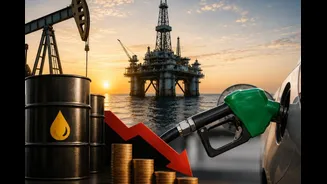



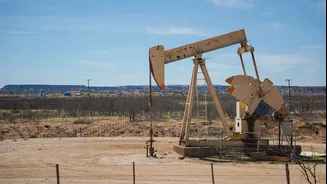
Oil prices dropped by more than 5 per cent on Monday after US President Donald Trump paused strikes on Iran, boosting expectations that diplomacy could ease tensions and eventually allow crude supplies
to move normally through the Strait of Hormuz.
Brent crude futures were down $5.58, or 5.77 per cent,
at $91.20 a barrel by 2204 GMT. US West Texas Intermediate (WTI) crude also declined, falling $4.91, or 5.50 per cent, to $84.40 a barrel.The decline followed a sharp rally that had pushed oil prices above $100 a barrel amid intensifying military exchanges between the United States and Iran. Concerns over potential disruptions to energy exports through the Strait of Hormuz had driven the earlier surge.
As one of the world’s most critical oil transit routes, the Strait of Hormuz carries a significant portion of global crude oil and natural gas shipments. Any prolonged disruption there poses risks to energy supplies, inflation and the broader global economy.
Talks Ease Oil
Investor sentiment improved after indications emerged that the US-Iran conflict might not escalate further in the immediate term.
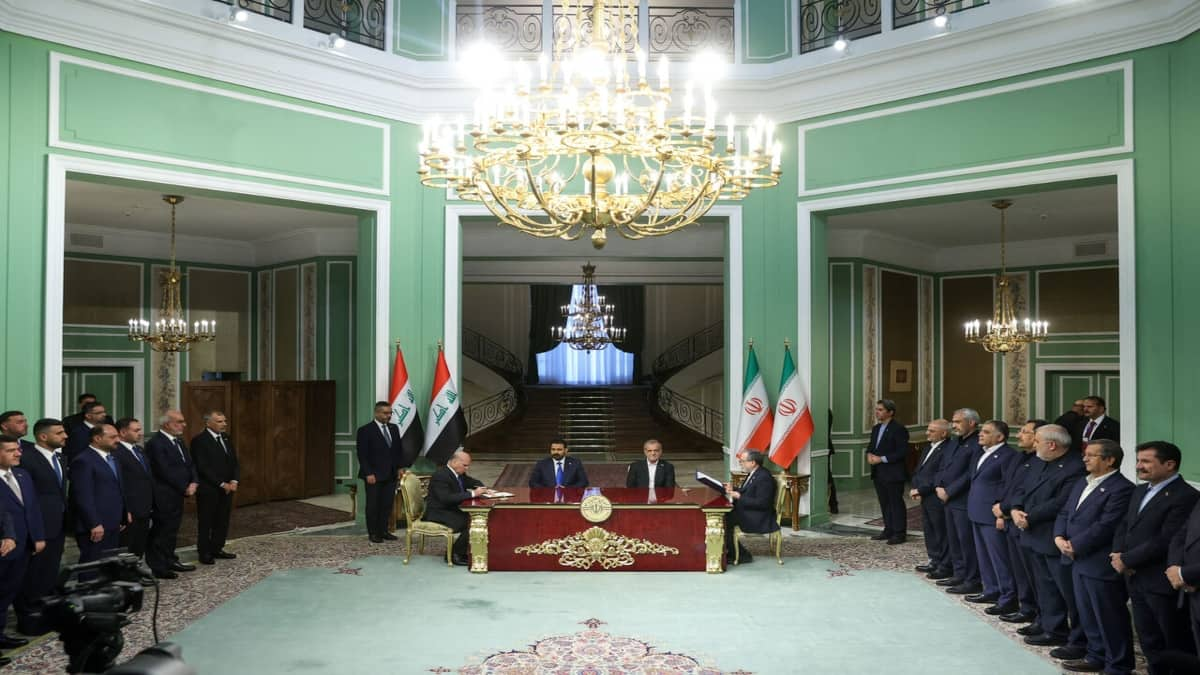
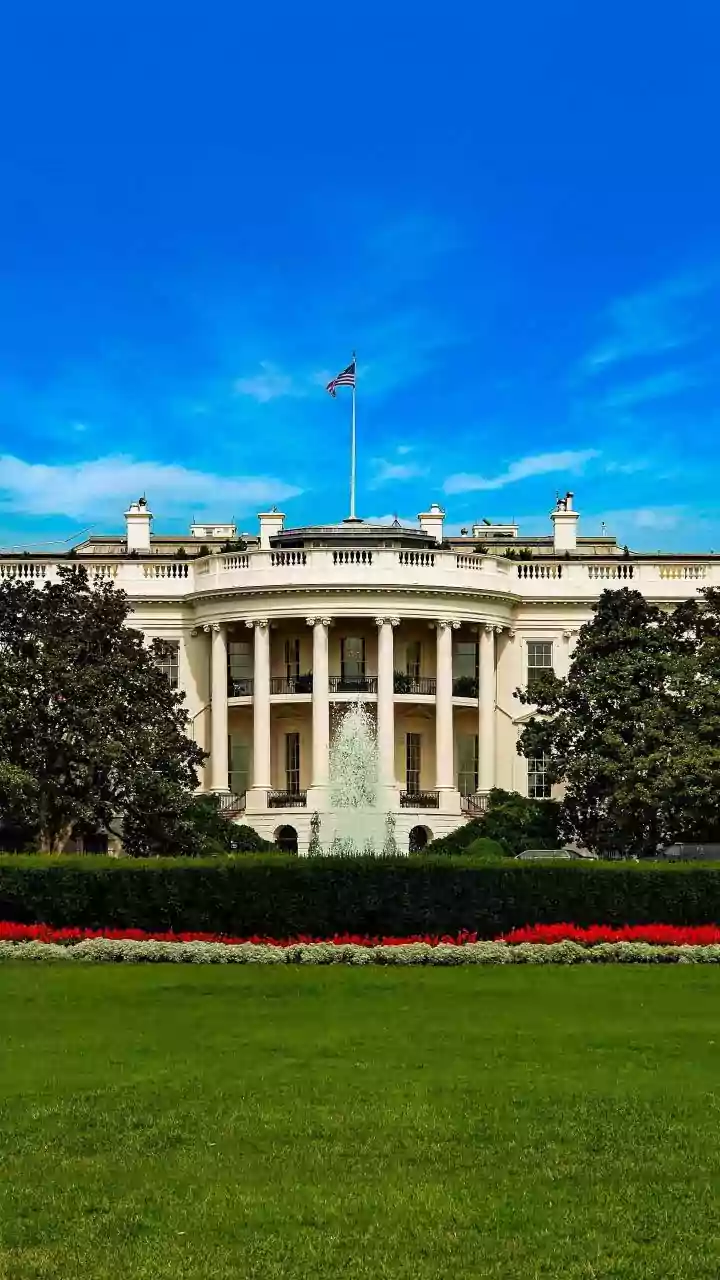
US Ambassador to the United Nations Mike Waltz said Trump was “giving the talks some space” before deciding whether to resume strikes. His remarks came as mediators continued efforts to bring Washington and Tehran back to the negotiating table.
The prospect of renewed diplomacy has prompted traders to reduce the geopolitical risk premium that had built up in oil markets over the past two weeks.
Crude prices had climbed rapidly on fears that the conflict could interrupt shipping through the Strait of Hormuz, threatening global supply and driving fuel prices higher.
With hopes of negotiations resurfacing, markets have started reversing some of those gains. Even so, analysts cautioned that the decline in oil prices may not last if the security situation deteriorates again.
Trump Signals Progress
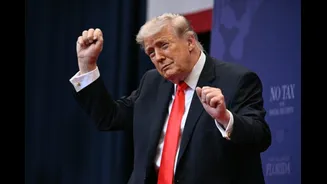
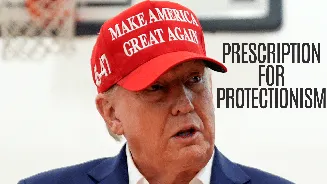
Donald Trump said negotiations with Iran were gaining momentum but did not rule out the possibility of future military action.
“We’re talking to them right now. I think they’re getting more and more serious,” Trump told reporters on Friday.
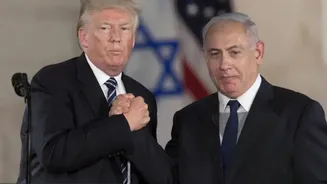
Israeli Prime Minister Benjamin Netanyahu, who is scheduled to meet Trump at the White House later this week, also backed diplomatic engagement while maintaining that Iran’s nuclear programme must eventually be dismantled.
The temporary halt in hostilities has raised hopes for a negotiated settlement. However, both Washington and Tehran have made it clear that military options remain on the table if the talks do not succeed.
Strait Of Hormuz In Focus
The Strait of Hormuz continues to be the biggest source of uncertainty for global oil markets.
Even if hostilities subside, shipping activity may not return to normal immediately. Tanker operators and energy companies are likely to remain cautious until the security outlook becomes clearer.
Analysts also warned that the situation could become more complex if tensions involving Yemen’s Houthis and Saudi Arabia affect other major shipping routes.
As a result, despite the sharp fall in crude prices, markets are expected to retain a significant geopolitical risk premium.