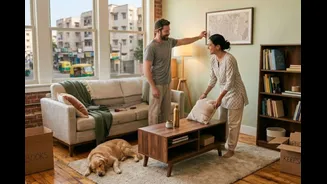


Moving into a new apartment is an exciting blank canvas moment. Yet many new homeowners soon discover that creating a space that looks beautiful on Instagram is one thing making it genuinely comfortable
and practical for everyday living is quite another. The real challenge lies in striking that delicate balance between aesthetics and functionality.
It is not always about adding more, but about making better choices with what you already have. Small shifts in layout, light, and material can completely change how spacious a home feels. On one hand, aesthetics draw you in; on the other, functionality decides how comfortable the space truly is.
In most urban homes, especially apartments, space is limited. So the focus naturally moves towards creating openness without compromising on style. The aim is simple: make the home feel bigger, lighter, and easier to live in. And that does not always require a full redesign. Often, it comes down to a handful of thoughtful design decisions that quietly transform the way your home works.
R. Rajasekhar Reddy, Founder and Managing Director of Trendsquares, a seasoned real estate developer with a design background in creating lifescapes, believes modern homes must go beyond four walls. “Gone are the days when a house just needed four walls and a decent layout,” he notes. “Today’s homes have personality, functionality and Pinterest energy.”
Whether you are furnishing a compact studio or a spacious 3BHK, here are eight key design choices that can help you achieve harmony between style and everyday usability.
1. Proportioned Layouts
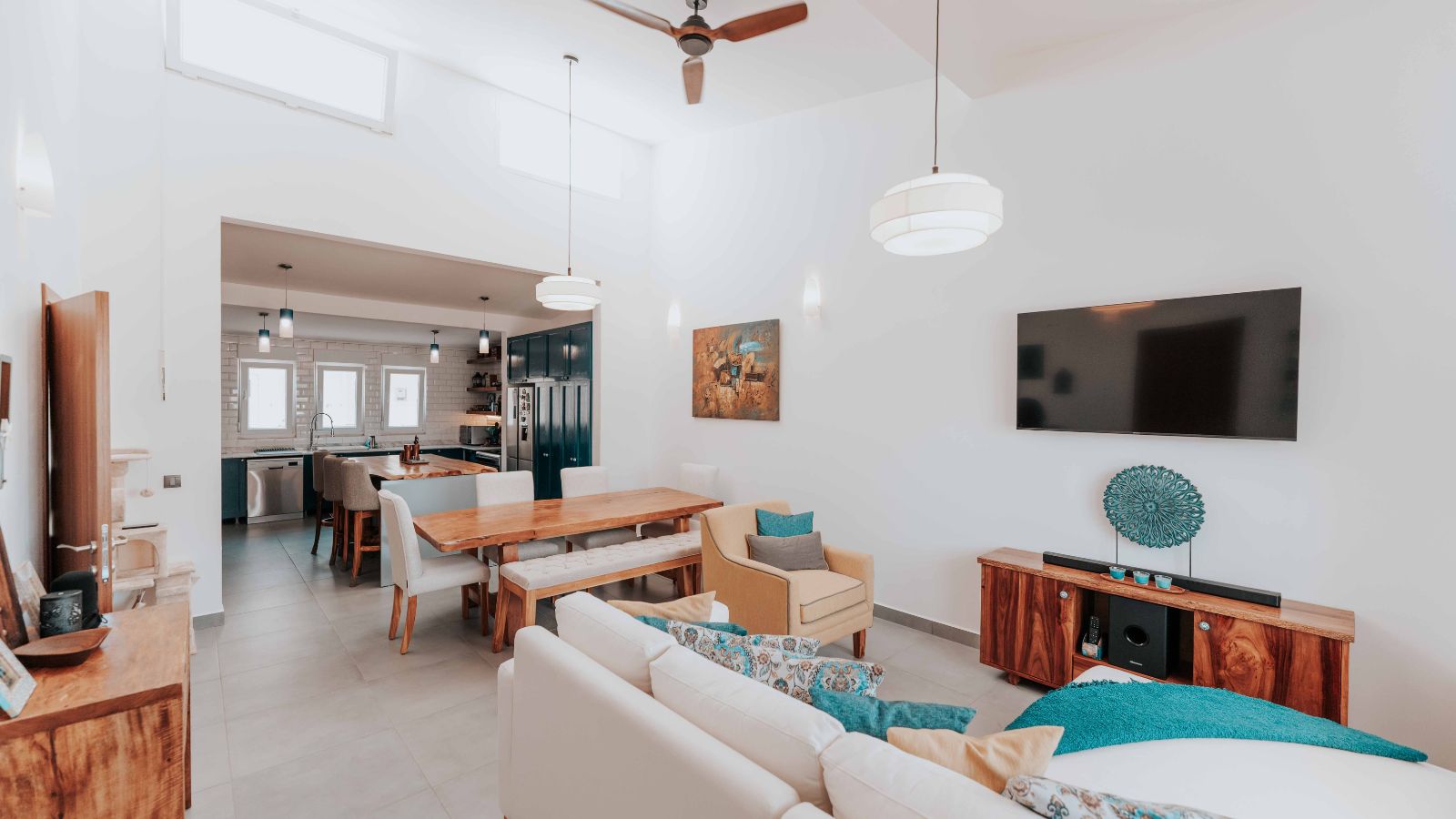
Start with a smart layout that makes every square foot count. Well-planned zoning and smooth circulation throughout the home can make even smaller apartments feel bigger, more organised and easier to navigate. Avoid cramming too much into one area — thoughtful proportions create both visual calm and practical flow.
2. Well-Lit and Ventilated Design
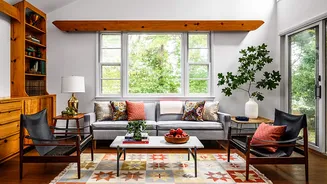
Natural light and fresh air remain non-negotiable. Incorporating large windows, tall sliders or carefully oriented balconies not only brightens your space but also improves energy efficiency and overall comfort. A home that breathes well simply feels better to live in.
3. Ergonomic Kitchens
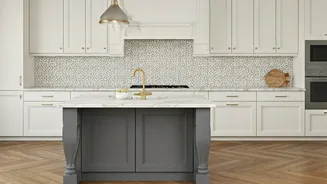
The kitchen is often the heart of the home. Modern designs now prioritise ease of use through optimal counter heights and efficient appliance placement. The goal is to reduce daily effort while enhancing both functionality and comfort, turning meal preparation into a more enjoyable experience.
4. Glass Partitions
If you need to divide spaces without making rooms feel boxed in, glass partitions offer an elegant solution. Frosted, tinted or switchable glass options provide privacy when needed while maintaining an open feel and allowing natural light to flow freely.
5. Layered Lighting
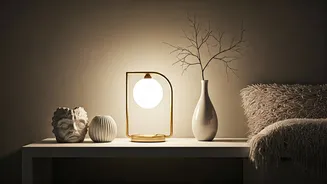
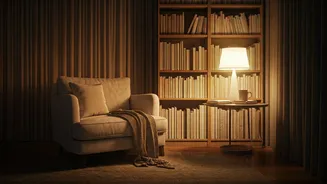
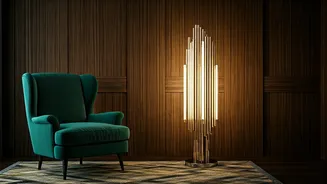
Lighting is one of the most powerful tools for balancing mood and usability. Combine natural light with layered artificial lighting — ambient for general illumination, task lighting for specific activities, and accent lighting for drama. This approach adds depth and creates a warm, inviting environment that works at different times of day.
6. Indoor-Outdoor Living
Extend your living space by seamlessly linking interiors with balconies, terraces or small gardens. This connection brings in a greater sense of openness and offers peaceful spots for relaxation, blurring the boundary between inside and out.
7. Mudrooms
A well-designed transition zone, such as a mudroom or entryway buffer, makes a surprising difference. It acts as a practical barrier between the outside world and your clean interiors, helping you maintain tidiness without constant effort.
8. Universal Design
Forward-thinking homes are becoming more inclusive and future-ready. Features like wider doorways, step-free access and adaptable layouts ensure maximum comfort and usability for all age groups and abilities.