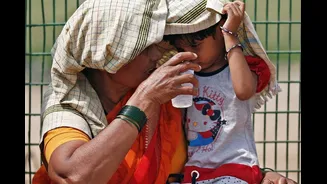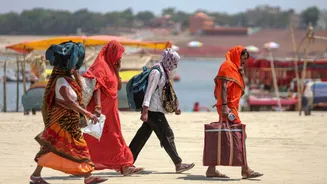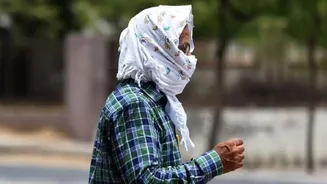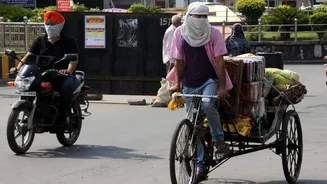








As large parts of India continue to swelter under intense summer heat, the India Meteorological Department (IMD) has issued warnings for severe heatwave conditions across several states, including Rajasthan,
Uttar Pradesh, Telangana, and Odisha.
Adding to the discomfort are warm nights and hot, humid conditions, creating a dangerous mix that can quickly turn deadly.
And while most people know to stay hydrated and avoid direct sun exposure, what many don’t realise is this: heatstroke doesn’t always announce itself dramatically. Sometimes, it begins with symptoms so common and subtle that they’re easy to brush off. That is what makes it dangerous.
Why Heatstroke Is More Serious Than You Think
Heatstroke is the most severe form of heat-related illness. It happens when your body loses its ability to regulate temperature, causing internal heat to rise rapidly—often beyond 40°C.
According to the World Health Organization (WHO), heat stress remains the leading cause of weather-related deaths globally. Beyond heat exhaustion, it can worsen existing conditions such as heart disease, diabetes, asthma, and mental health disorders.
Left untreated, heatstroke can damage critical organs like the brain, heart, and kidneys—and in severe cases, it can be fatal.
The “Silent” Symptoms People Often Ignore
The tricky part? Early heatstroke symptoms can look deceptively normal, something you would blame on tiredness, dehydration, or a long day outdoors.
Take a headache, for example. A regular heat-related headache may improve after drinking water, resting, or cooling down. But if that headache becomes persistent, feels unusually intense, or is paired with confusion, vomiting, or fever, it may be a warning sign of something far more serious. Watch for these symptoms:
- High body temperature (above 40°C)
- Muscle cramps or sudden weakness
- Hot, dry skin—or in some cases, excessive sweating
- Dizziness or feeling faint
- Nausea or vomiting
- Rapid heartbeat
- Confusion, irritability, or disorientation
Health experts say confusion, fainting, or unusual behaviour are major red flags and should never be ignored.
Who Is Most At Risk?
- While anyone can suffer heatstroke, some people face a much higher risk. This includes:
- Children and older adults, whose bodies regulate temperature less efficiently
- Outdoor workers such as delivery personnel, construction workers, and traffic police
- People with chronic illnesses like heart disease or diabetes
- Those who are already dehydrated
- Anyone suddenly exposed to extreme heat without proper acclimatisation
Living in cities can make things worse, too. The combination of concrete heat, humidity, and prolonged sun exposure can push body temperatures up faster than expected.
What To Do If Someone Shows Signs Of Heatstroke
If you suspect someone has heatstroke, every minute matters. Here’s what to do immediately:
- Move them to a cooler or shaded place
- Try to lower body temperature using cold compresses, wet towels, or cool water
- If they’re conscious, offer small sips of water
- Call for urgent medical help immediately
The Centers for Disease Control and Prevention in US says rapid cooling is the first and most critical step before professional medical care arrives.
Prevention Is Easier Than Treatment
Heatstroke is often preventable. Simple daily habits can go a long way:
- Drink water regularly—even before you feel thirsty
- Avoid stepping out during peak afternoon heat
- Wear loose, light-coloured clothing
- Use hats, umbrellas, or sunglasses outdoors
- Take frequent breaks if working in the sun
This summer, do not just watch the temperature; listen to your body. Because during a severe heatwave, what feels like a “small” symptom could be your body’s earliest cry for help.