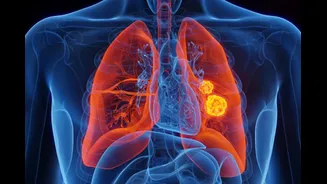









India is witnessing a significant and continuing lung cancer burden, with over 80,000 new cases reported annually and nearly 60,000 deaths each year. One of the biggest challenges is late diagnosis: around
80–85% of patients are identified at advanced, incurable stages, severely limiting treatment options and survival outcomes.
While smoking remains a major risk factor with nearly 100 million adult smokers in the country, lung cancer is no longer a smoker-only disease. In fact, 40–50% of lung cancer cases in India occur in individuals who have never smoked, and among women, this proportion can be as high as 83% across South Asia. Despite this, the persistent misconception that lung cancer affects only smokers continues to delay diagnosis and treatment.
Dr. Niti Raizada, MBBS, MD (General Medicine), DNB (General Medicine), DM (Medical Oncology), Principal Director, Medical Oncology & Hemato-Oncology, Fortis Hospitals, Bengaluru, shares key insights into this shifting trend.
Urban centres such as Delhi, Chennai, Bengaluru, and Kolkata are reporting rising lung cancer rates driven largely by environmental exposure rather than tobacco use. Alarmingly, the disease is also being detected at younger ages, with the median age of diagnosis now around 56 years, nearly a decade earlier than in many Western countries.
Among non-smokers, lung cancer is increasingly linked to factors beyond tobacco. Outdoor air pollution, particularly fine particulate matter (PM2.5), causes cumulative damage to lung tissue. Indoor air pollution from biomass cooking fuels, poor ventilation, and exposure to radon gas further adds to risk. Occupational exposure to substances such as asbestos, silica, and diesel exhaust also remains a significant concern. Additionally, genetic alterations such as EGFR and ALK mutations are frequently observed in Indian non-smoker lung cancer patients, driving disease development even in the absence of smoking.
What makes this pattern especially concerning is how often early symptoms are ignored. Persistent cough, breathlessness, chest discomfort, fatigue, or unexplained weight loss are commonly dismissed as allergies, infections, stress, or ageing particularly in individuals who do not fit the “typical” lung cancer profile. As a result, only about 3.5–7% of patients are diagnosed at an early, operable stage, delaying access to potentially curative treatment.
Awareness is critical. Non-smokers must recognise that being smoke-free does not make them immune, especially in high-pollution environments. Monitoring air quality, improving home ventilation, choosing cleaner cooking fuels, and using protective measures in high-exposure occupations can help reduce risk.
Equally important is early evaluation and screening. Low-dose CT scans should be considered for non-smokers with significant environmental exposure or persistent respiratory symptoms. Primary care providers must look beyond smoking history when assessing patients. Expanding access to genetic testing for non-smokers with lung adenocarcinoma can further guide targeted therapies and improve outcomes.
Lung cancer is no longer defined by smoking alone. With its growing burden among non-smokers, awareness, vigilance, and early action must become central to how we approach respiratory health.