





Janmashtami 2026 Vrat Rules: Janmashtami, also known as Krishna Janmashtami or Gokulashtami, celebrates the birth of Lord Krishna and is observed by devotees with prayers, fasting and midnight worship.
The festival is associated with Krishna’s birth at midnight, making the Nishita Kaal period especially significant for devotees.
In 2026, Krishna Janmashtami will be celebrated on Friday, September 4. Devotees across India will keep different forms of vrat depending on their family traditions, health and religious practices, with some observing a strict fast and others following a fruit- and milk-based diet.
Read More: Janmashtami 2026 Date: Is It On September 3 Or 4? City-Wise Muhurat, Fasting Rules And Rituals
For those planning to fast this year, the key questions are what foods are permitted, which ingredients should be avoided and, most importantly, when the fast should actually be broken.
Janmashtami 2026 Date And Puja Timing
Krishna Janmashtami 2026 falls on Friday, September 4.
The Nishita Puja period is from 12:14 AM to 1:01 AM on Saturday, September 5. The exact muhurat varies by location because Hindu calendar calculations depend on the local sunrise and midnight.
Janmashtami: Friday, September 4, 2026
Nishita Puja: 12:14 AM to 1:01 AM, September 5
Midnight moment: 12:37 AM, September 5
Parana: after 6:24 AM, September 5, according to the Dharma Shastra-based calculation
Dahi Handi: Saturday, September 5, 2026
Read More: Dahi Handi 2026: Safe And Fun Janmashtami Celebration Tips For Schools, Housing Societies
The date and timings are based on the Mumbai location. Devotees in Delhi, Pune, Bengaluru, Kolkata or other cities should check their local Panchang because the Nishita and parana timings can differ.
What Is Janmashtami Vrat?
Janmashtami vrat is a religious fast observed in honour of Lord Krishna. The nature of the fast is not identical for every devotee.
- Some people observe a nirjala vrat, avoiding both food and water for a specified period.
- Others follow phalahar, consuming fruits, milk and permitted fasting foods.
- Some devotees observe a lighter vrat according to their health, age, family tradition or religious practice.
There is therefore no single food list that applies identically to every household.
What Can You Eat During Janmashtami Vrat?
Fruits
For devotees following a fruit-based or partial fast, several foods are commonly included.
You can have fruits such as:
- Bananas
- Apples
- Pomegranates
- Papaya
- Pears
- Coconut
- Oranges and other seasonal fruits
Fruit can also help provide fluids and natural carbohydrates to people who are not observing a nirjala fast.
Read More: Janmashtami 2026: Rare Astrological Combination On September 4, 5 Zodiac Signs May Benefit
Dry Fruits And Nuts
Almonds, walnuts, cashews, pistachios, raisins and dates are commonly used during fasting.
They can be eaten on their own or incorporated into vrat-friendly preparations.
Milk And Dairy Products
Milk, curd, paneer, makhan and other permitted dairy products are commonly consumed by devotees following phalahar.
Makhan-mishri is also traditionally associated with Krishna and is often prepared as an offering.
Makhana
Makhana, or fox nuts, can be roasted and eaten with permitted seasoning.
A simple makhana preparation can be a filling option for devotees who want something more substantial than fruit.
Sabudana
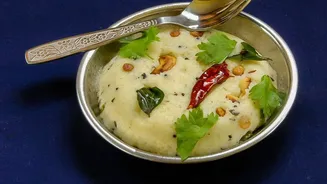
Sabudana is widely used during Hindu fasting and can be prepared as sabudana khichdi, sabudana vada or other vrat-friendly dishes.
The ingredients used with it should also follow the devotee’s fasting rules.
Kuttu and singhara flour
Buckwheat flour, commonly known as kuttu atta, and water chestnut flour, known as singhara atta, are widely used to prepare fasting foods.
They can be used for rotis, puris or other vrat preparations.
Read More: Janmashtami Outfit Ideas 2026: Stylish Krishna-Radha Inspired Looks For Kids To Try
Rajgira
Rajgira, or amaranth, is another ingredient commonly used during fasting.
It can be prepared in several forms, including rotis and snacks, depending on individual vrat traditions.
Samak rice
Samak rice, also called barnyard millet in many contexts, is commonly used as a rice substitute during fasting.
Sendha namak
Many Hindu fasting traditions permit sendha namak, or rock salt, instead of ordinary table salt.
However, fasting rules vary between communities, so devotees should follow the practice observed in their household or tradition.
What Should You Avoid During Janmashtami Vrat?
The following foods are generally avoided by devotees observing a traditional vrat:
Regular grains
Wheat, ordinary rice, oats, maize and other regular cereals are commonly excluded from vrat meals.
Pulses and legumes
Dal, beans, chickpeas, peas and other legumes are generally avoided during traditional fasting.
Onion and garlic
Onion and garlic are usually excluded from satvik and vrat preparations.
Ordinary table salt
Devotees following traditions that restrict regular salt generally use sendha namak instead.
Meat, fish and eggs
Non-vegetarian foods are avoided during Janmashtami fasting.
Alcohol and tobacco
Alcohol and tobacco have no place in a traditional devotional fast.
Processed or packaged foods
Devotees should be cautious with packaged “fasting” foods. Ingredients can vary considerably, and products may contain grains, prohibited flours, ordinary salt or other ingredients that do not comply with their fasting practice.
Checking the ingredient label is particularly important when buying packaged vrat snacks.
Is Sabudana Allowed During Janmashtami Vrat?
Yes, sabudana is commonly considered a fasting food.
Sabudana khichdi is one of the most popular vrat dishes, often prepared with potatoes, peanuts, green chilli, cumin and sendha namak.
However, the preparation should remain consistent with the individual’s fasting rules. Ingredients such as ordinary flour, prohibited grains or regular table salt should not be added if they are excluded by the devotee’s vrat tradition.
Is Tea And Coffee Allowed During Janmashtami Vrat?
This depends on the type of fast being observed.
A strict nirjala fast does not permit beverages. Devotees following a phalahar or less restrictive fast may have beverages such as milk, depending on their family tradition.
Tea and coffee are not universally treated as standard vrat foods, so devotees who are following a strict traditional fast should check their own religious practice rather than assuming that every beverage is permitted.
Types Of Janmashtami Vrat
There are different ways devotees observe the fast.
Nirjala vrat: A nirjala vrat involves abstaining from both food and water for the prescribed period.
This is a particularly strict form of fasting and should not be undertaken casually.
People who are pregnant, elderly, very young, medically vulnerable or taking medicines that require food or regular hydration should not attempt prolonged fasting without appropriate medical advice.
Phalahar vrat: Phalahar involves eating permitted fruits, dairy products, nuts and other vrat-friendly foods.
This is a more flexible form of fasting and is commonly followed by devotees who do not observe nirjala fasting.
Ek-bhukta: In some traditions, devotees eat only once during the day while otherwise observing the fast.
The exact timing and permitted foods can differ according to the tradition being followed.
When Does Janmashtami Vrat Start?
For devotees observing the traditional Janmashtami fast, the vrat is generally begun on the morning of Janmashtami after completing the morning routine and sankalp.
In 2026, this means beginning the observance on Friday, September 4. The exact sankalp procedure can vary between households and religious traditions.
A simple observance may include bathing, wearing clean clothes, praying before the household shrine and taking a sankalp to observe the fast.
Janmashtami Puja Vidhi: Step-By-Step
Morning of September 4
Begin the day with a bath and clean clothes.
Devotees can clean their home temple, decorate the Krishna idol and prepare the puja items.
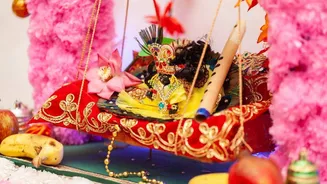
Common decorations include flowers, tulsi leaves, peacock feathers and a small cradle or jhula for Laddu Gopal.
Prepare the Krishna idol
The idol can be cleaned and decorated according to the household’s tradition.
If an abhishek is performed, devotees may use panchamrit and clean water.
Panchamrit traditionally contains milk, curd, ghee, honey and sugar.
Offer flowers and tulsi
Tulsi is traditionally associated with worship of Lord Vishnu and Krishna and is commonly offered during Krishna puja.
Devotees can also offer flowers, fruits and other bhog prepared according to their fasting rules.
Nishita Kaal Puja
The main Janmashtami worship is performed around midnight because Krishna’s birth is traditionally believed to have taken place at that time.
For Mumbai in 2026, the Nishita Puja period is approximately 12:14 AM to 1:01 AM on September 5.
The worship may include:
- Abhishek of the Krishna idol
- Dressing and shringar
- Applying tilak
- Offering tulsi and flowers
- Offering bhog
- Performing aarti
- Chanting Krishna mantras
- Placing the idol in a decorated cradle
- Distributing prasad
Families may also sing traditional Krishna bhajans and devotional songs.
What Is Nishita Kaal?
Nishita Kaal refers to the sacred midnight period used for determining the timing of Janmashtami worship.
Because Krishna’s birth is traditionally associated with midnight, Nishita Kaal is particularly important for the festival.
The exact period changes according to the location. For Mumbai, the 2026 Nishita Puja window is from 12:14 AM to 1:01 AM on September 5.
When To Break Janmashtami Fast In 2026?
This is the most important correction to the supplied copy.
For Mumbai, devotees following the Dharma Shastra-based parana calculation should not automatically break the Janmashtami fast immediately after the midnight puja.
The 2026 Mumbai Panchang lists parana after 6:24 AM on Saturday, September 5. It states that on the parana day, both Ashtami Tithi and Rohini Nakshatra have ended before sunrise.
This means the following two practices should not be confused:
- Traditional/Shastra-based parana: After 6:24 AM on September 5 in Mumbai.
- Modern/common practice in some communities: Breaking the fast after Nishita Puja, around or after midnight.
Can You Break The Fast After Midnight?
Some devotees and communities do break the fast after Nishita Kaal puja and aarti.
What Is Parana?
Parana is the ritual breaking of a fast. For Janmashtami, its timing is determined by the relevant tithi, nakshatra and local Panchang calculations, rather than simply by the completion of midnight puja.
Can You Drink Water During Janmashtami Vrat?
It depends on the type of vrat. A nirjala fast traditionally excludes water, while a phalahar or other less restrictive fast may permit fluids.
What Can You Eat After Parana?
Once the fast is formally broken, devotees can gradually return to a normal satvik meal.
A light first meal can include:
- Fruits
- Milk or curd
- Khichdi
- Simple vegetables
- Rice
- Roti
- Dal
After a prolonged fast, eating a very heavy or oily meal immediately may cause discomfort. A gradual return to normal food is generally more comfortable.
Common Janmashtami Vrat Mistakes To Avoid
Mistake 1: Assuming midnight always means the fast is over
The midnight birth celebration and the formal parana are not necessarily the same event.
Mistake 2: Following another city’s timing
Janmashtami timings are location-specific.
For example, Mumbai’s Nishita Puja window differs from Delhi’s and Pune’s.
Mistake 3: Treating every vrat as nirjala
Not every devotee observes a waterless fast.
Phalahar and other forms of fasting are also practiced.
Mistake 4: Assuming every packaged “vrat food” is permitted
Always check ingredients.
Mistake 5: Ignoring health
Religious observance should not become a reason to ignore serious dehydration, weakness, medication requirements or other health concerns.