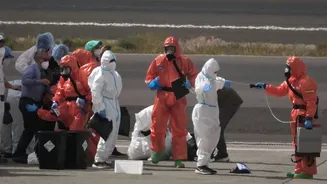






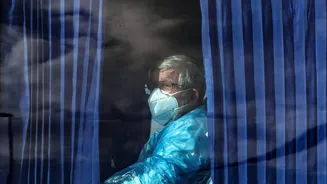


French authorities on Wednesday imposed a temporary lockdown on a British cruise ship docked in Bordeaux after a 90-year-old passenger died and dozens on board reported stomach-related illness.
The vessel,
operated by Ambassador Cruise Line, was carrying more than 1,700 passengers, including 514 Indian crew members. According to reports, around 50 people developed symptoms such as upset stomach and gastrointestinal distress while on board.
Health officials said early tests had ruled out an immediate outbreak of norovirus—one of the world’s most contagious causes of gastroenteritis—but further testing was underway, as reported by the AFP.
The incident has put the spotlight on norovirus, a virus often linked to cruise ships, schools, hospitals and other crowded spaces where infections can spread rapidly.
What Is Norovirus?
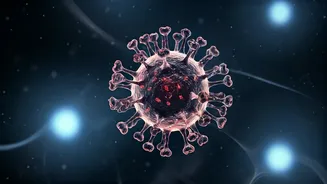
Norovirus is a highly contagious virus that causes acute gastroenteritis—an inflammation of the stomach and intestines. It is often called the “stomach flu” or “stomach bug,” though it is not related to flu, which is caused by the influenza virus.
Norovirus Symptoms
Norovirus symptoms usually appear 12 to 48 hours after exposure and often begin suddenly. Common symptoms include nausea, vomiting, watery diarrhoea, stomach cramps or pain.
Some people may also develop low-grade fever, headache and body aches. Most healthy people recover within one to three days, but the illness can feel intense and exhausting.
It can be dangerous due to dehydration. Because vomiting and diarrhoea can happen repeatedly in a short time, the body can lose fluids quickly. This is especially dangerous for young children, older adults, pregnant women and people with weakened immune systems.
Warning signs include dizziness, dry mouth, reduced urination and unusual fatigue.
According to the World Health Organization (WHO), emerging evidence suggests that norovirus may be linked to intestinal inflammation, malnutrition and even long-term health complications.
How Does Norovirus Spread?
Norovirus spreads remarkably easily—even a tiny amount of the virus can make someone sick. It can spread through:
- contaminated food or water,
- touching infected surfaces and then touching your mouth,
- close contact with an infected person,
- or exposure to tiny particles from vomit or stool.
That is why outbreaks are common in cruise ships, nursing homes, schools and hospitals, where many people share enclosed spaces.
Why Outbreaks Occur At Cruise Ships?
Shared dining areas, close living quarters, and thousands of people using common facilities at cruise ships create the perfect conditions for norovirus transmission.
A single infected passenger—or crew member—can unintentionally spread the virus quickly, especially if food handling or sanitation breaks down. That is why cruise operators and health agencies closely monitor gastrointestinal illnesses onboard.
What Is The Treatment For Norovirus Infection?
There is no specific medicine or antibiotic for norovirus because it is caused by a virus, not bacteria. Treatment mainly focuses on managing symptoms and preventing dehydration. Doctors recommend:
- drinking plenty of water and oral rehydration fluids,
- resting,
- avoiding caffeine and alcohol,
- and seeking medical help if symptoms become severe.
Most people recover without hospitalisation, but severe dehydration may require IV fluids.
How You Can Prevent Norovirus Infection
Prevention largely comes down to hygiene. Health experts recommend:
- Washing hands thoroughly with soap and water for at least 20 seconds (hand sanitiser is less effective against norovirus),
- Disinfecting contaminated surfaces,
- Washing fruits and vegetables,
- Cooking shellfish thoroughly,
- Staying home for 48 hours after symptoms stop to avoid spreading infection
Norovirus may sound like a routine stomach bug, but it spreads fast and can disrupt entire communities—from schools and hospitals to luxury cruise ships.
The outbreak scare in Bordeaux is a reminder of how quickly gastrointestinal infections can trigger global health alerts—and why something as simple as handwashing remains one of the strongest defences.