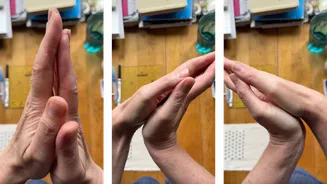





Eye exercises have long been marketed as a natural way to improve vision, but there’s less to them than you might expect. These exercises can include shifting focus between near and distant objects, rolling
the eyes, or practicing frequent blinking. They are often recommended for computer users and those who spend long hours in front of screens and experience eye strain. Dr Ashwin Santosh Shetty, Consultant, Ophthalmology, Aster CMI Hospital, Bangalore shares all you need to know:
Some eye exercises can help alleviate symptoms of computer vision syndrome, a condition estimated to affect nearly 50% of digital device users. Common symptoms include dryness, irritation, blurred vision, and headaches caused by prolonged screen exposure. Simple habits such as the 20-20-20 rule, looking at an object 20 feet away for 20 seconds every 20 minutes can help relax eye muscles and improve comfort. Increasing blink frequency and adjusting screen brightness can also make a noticeable difference.
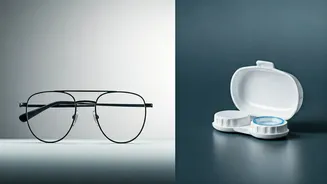
Eye exercises cannot correct major vision problems such as near-sightedness, far-sightedness, or astigmatism. These conditions are largely determined by the shape of the eye or lens, and require proper treatment through spectacles, contact lenses, or surgery. There is no scientific evidence to suggest that eye exercises can consistently alter these structural issues.
However, in certain cases, eye exercises may be prescribed as part of treatment. For example, conditions like convergence insufficiency, where the eyes struggle to work together when focusing on nearby objects can benefit from targeted eye therapy. In such instances, coordination improves over time and symptoms may reduce.
Eye exercises can offer relief and reduce strain, especially for those with high screen time. However, they are not a cure for poor eyesight or refractive errors. Regular eye check-ups, proper lighting, a balanced diet rich in essential vitamins, and mindful screen use all play a crucial role in maintaining eye health.
Ultimately, while eye exercises are not entirely a myth, their benefits are limited. They can help improve comfort and reduce strain, but they cannot replace medical treatments for vision correction.