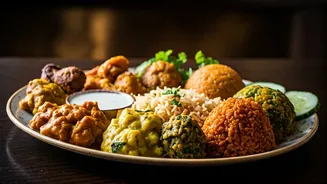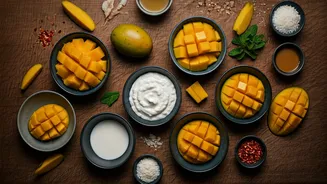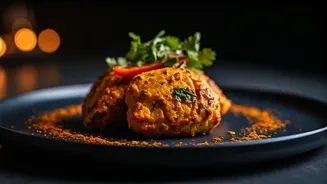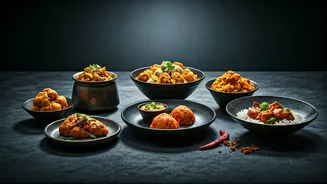



There are afternoon naps beneath lazy ceiling fans, weekend escapes to the hills and, perhaps most anticipated of all, the arrival of mangoes. Alphonso, Dasheri, Kesar, Langra, each variety carries its
own devoted following, each signalling that summer has officially begun.
Yet while mango remains one of India’s most nostalgic ingredients, the way chefs are using it has undergone a quiet transformation. Gone are the days when mango appeared only as aamras, kulfi or a slice served after lunch. Across luxury hotels, fine-dining restaurants and artisanal bakeries, chefs are giving the fruit a distinctly contemporary identity, lighter, more refined and surprisingly versatile.
A Fruit That Tastes Like Memory
Few ingredients evoke emotion quite like mango. “Mango is deeply connected to everyone’s childhood,” says Vipul Kohli, founder, Baraat Catering. “Every home has stories of grandparents sharing mangoes with the family. It’s nostalgia combined with the fruit’s vibrant colour and unmistakable sweetness.”
That emotional connection, chefs agree, explains why mango continues to occupy a singular place in India’s culinary imagination.
For Chef Bhupesh Singh, Executive Sous Chef, Pullman and Novotel New Delhi Aerocity, the fruit represents far more than a seasonal ingredient. “Its arrival every summer is associated with family traditions, anticipation and celebration,” he says. “Its versatility allows it to evolve with changing consumer tastes while retaining its emotional appeal.”
At Royal China, the beginning of mango season has become something of an annual ritual. “Mango remains India’s most celebrated seasonal ingredient because it’s tied to memory, celebration and summer itself,” says Aashita Relan, Founder of Royal China. “For us, the season truly begins when the first Alphonso arrives in our kitchen.”
Desserts Are Becoming Lighter and Mango Is Leading the Change
Today’s diners are asking for something different. Heavy cream, excessive sweetness and elaborate sugar work are quietly giving way to desserts where the fruit itself takes centre stage.
“Consumers are looking for lighter, more refined and visually appealing desserts that highlight the mango rather than overwhelming it,” says Kohli.
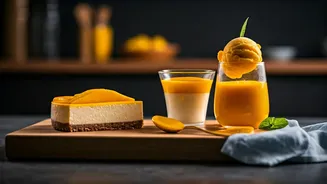
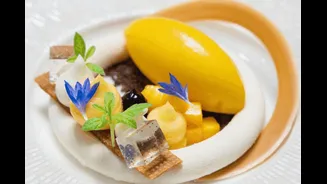
That shift is evident across hotel pastry kitchens. According to Chef Devender Bungla, Corporate Pastry Chef, Hyatt Regency Delhi, guests have moved beyond traditional favourites like mango kulfi towards elegant mousse domes, entremets and plated desserts that emphasise texture, freshness and restrained sweetness.
At The Lodhi Bakery, Executive Pastry Chef Ankit Saini has noticed a similar evolution. “Guests now prefer artisanal pastries, gelatos, chocolates and entremets that showcase mango’s natural flavour while balancing freshness and texture,” he says.
The Rise of Mango as a Fine-Dining Ingredient
Perhaps the biggest change is where mango now appears. It is no longer confined to dessert menus.
Chefs are introducing it into savoury dishes, globally inspired pastries and even contemporary tasting menus.
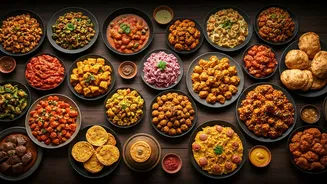
At Baraat Catering, Kohli experiments with mango in salads, grilled meats and vegetable accompaniments, drawing inspiration from Indian, Thai, Malaysian and Mexican cuisines.
Royal China’s interpretation takes a distinctly Cantonese route. “Mango pudding and egg tarts remain favourites,” says Relan, while chilled mango sago reflects the growing preference for lighter, texture-driven desserts.
Meanwhile, chefs across luxury hotels are pairing mango with ingredients once considered unexpected.
Dark chocolate. Matcha. Coconut. Chilli. Yuzu. Passion fruit.
Chef Bungla believes these contrasts are redefining the fruit’s culinary possibilities, while Chef Saini explores layered textures using mousses, crémeux, gels and crisp elements to build desserts that feel both sophisticated and playful.
Chef Bhupesh Singh sees the same movement extending into mango sushi, rasmalai cheesecake, mango tres leches and artisanal chocolates, proof that the fruit has become as comfortable in global formats as it is in traditional Indian kitchens.
Seasonality Is Becoming the Luxury
The new conversation around mango isn’t simply about flavour. It’s about timing. Consumers increasingly value ingredients that are available only for a brief window each year rather than year-round abundance.
“The future of seasonal desserts will be driven by authenticity and seasonality,” says Kohli, who predicts more limited-edition menus celebrating individual mango varieties and the stories behind them.
Singh agrees, believing future dessert experiences will place greater emphasis on local sourcing, ingredient-led storytelling and chef-curated seasonal showcases.
Relan expects “hyper-seasonal drops,” collaborative menus and even zero-waste creations that utilise mango peel and kernels, reflecting a broader movement towards sustainability.
More Than a Dessert: A Celebration of Summer
Perhaps what makes mango unique is that it continues to evolve without losing its identity. As Chef Saini points out, very few ingredients can move so effortlessly between sweet and savoury, between nostalgia and innovation, between home kitchens and luxury restaurants.
The mango of today may arrive as a mousse, an entremet, a Cantonese pudding or a contemporary plated dessert. Tomorrow it may appear in fermented sauces or fine chocolates.
But regardless of the format, one thing remains unchanged. Every summer, India’s favourite fruit still tastes like home, only now, it’s dressed for the modern table.