




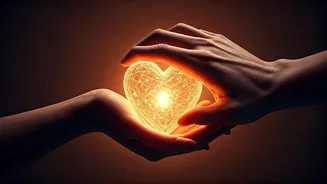
Valentine’s Day gifting is quietly evolving. Where once romance was expressed through flowers, chocolates, and keepsakes, couples are increasingly choosing experiences, short trips, immersive getaways,
and shared adventures that offer something far more enduring than a physical object. At the heart of this shift is a growing recognition that what we remember, return to, and emotionally value are not things, but moments.
According to Ranjan Murthy, co-founder, JoyNCrew, this transition reflects a deeper understanding of how meaning is created. He points out that experiential gifts hold value long after the moment of exchange because they become shared memories rather than possessions. Research in behavioural psychology supports this, showing that experiential purchases generate greater and more sustained happiness than material goods. Experiences are relived through stories, photographs, and inside jokes, gradually becoming part of a couple’s shared identity instead of fading with use or time.
Travel, in particular, amplifies this effect. Murthy explains that journeys introduce novelty and collaboration, navigating a new place together, making decisions as a team, and stepping out of routine. These elements strengthen emotional bonding and create reference points that couples carry with them well beyond the trip itself. In that sense, travel is not just a gift, but a framework for connection.
This shift also mirrors broader cultural changes. As consumers increasingly prioritise minimalism, wellness, and time over accumulation, the experience economy continues to expand. February, traditionally associated with romance, now sees a surge in curated mini-breaks and short, meaningful escapes. From local gastronomic trails and themed glamping experiences to creative retreats centred around dance, art, or cooking, experiential gifting reflects personal interests rather than generic consumption. As Murthy notes, these choices feel intentional, designed around who people are, not what they should buy.
Importantly, experiential travel does not have to mean long-haul flights or elaborate itineraries. Thoughtfully planned day trips, urban explorations, or intimate staycations offer accessible alternatives with a smaller environmental footprint. In a culture moving away from excess, experiences feel less like indulgence and more like conscious investment—in time, presence, and emotional wellbeing.
This emotional shift is echoed by Govind Gaur, CEO & Co-founder, WanderOn, who sees experiential travel as a natural extension of how modern couples express love. He believes Valentine’s Day gifting has moved from material indulgence to emotional connection, with travel sitting squarely at that intersection. Today, travel is not just leisure, it is self-expression, a way to celebrate relationships through shared discovery.
Gaur emphasises that a thoughtfully curated travel experience often delivers the same joy, if not more than a luxury product. What stays with people, he notes, is not ownership but feeling: watching a sunset together in the Andamans, walking barefoot along the beaches of Bali, sharing unhurried moments in Sri Lanka, or standing before the turquoise waters of the Philippines. These experiences become emotional markers, lasting far longer than roses or chocolates ever could.
The rise of experiential travel reflects a deeper change in mindset. Couples are choosing meaning over display, depth over performance. Private beach dinners, island hopping, wellness retreats, and slow, immersive stays are increasingly preferred over tightly packed itineraries, allowing space for togetherness rather than constant activity.
At its core, Valentine’s Day is about rekindling connection. Travel creates the conditions for that by removing the distractions of routine and offering space to be present with one another. Whether near or far, simple or elaborate, experiential travel has emerged as the modern Valentine’s gift, not because it is grand, but because it is shared, remembered, and deeply felt.