





When you picture honey, you probably see that familiar, golden syrup that can easily drip from a spoon. But honey isn’t all the same. There is a type that will surprise you: it is almost white, thick and
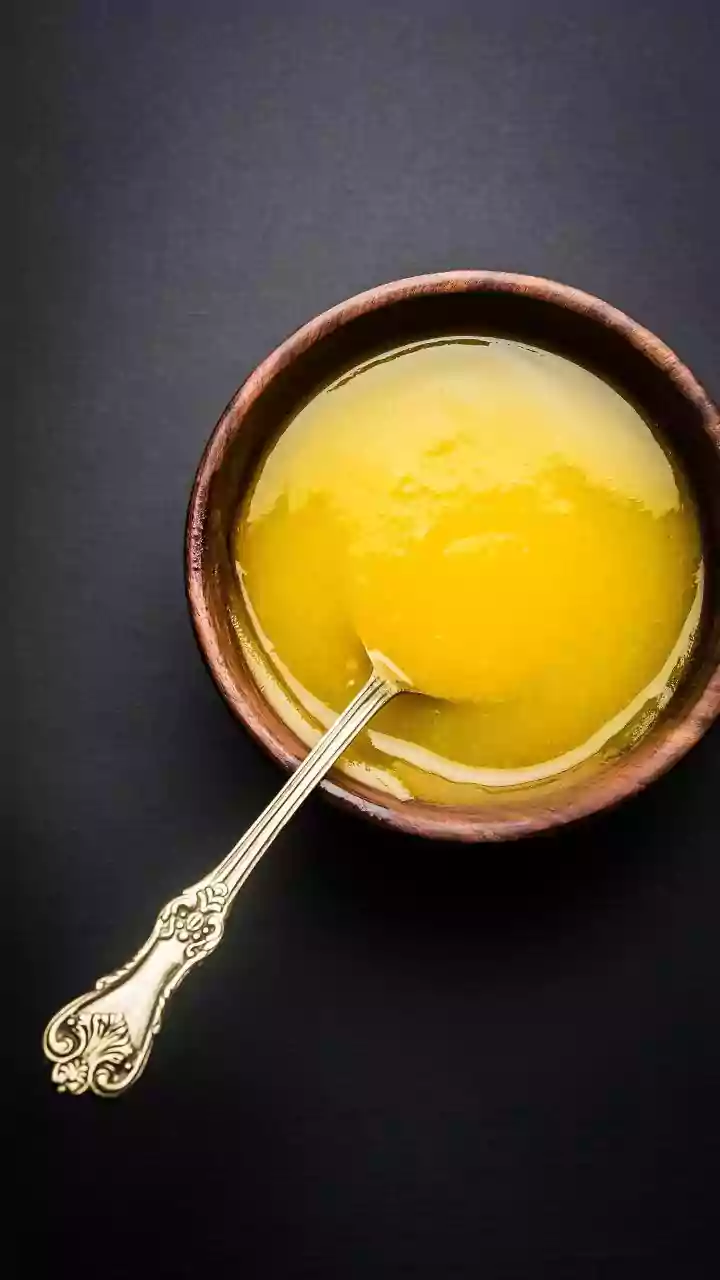
creamy, almost like ghee. This is mustard honey, and it is different from the usual honey you find in Indian homes.
The differences between mustard honey and normal honey aren’t just about appearance. There are many factors that set them apart.
Mustard vs ‘Normal’ Honey: Source
The foremost difference between mustard honey and regular honey is the source of nectar.
Mustard honey is a monofloral honey. This means that bees primarily collect nectar from a single type of flower: mustard (sarson). Due to one source, it has a more specific flavour and composition.
Meanwhile, normal honey is usually multiflora or wildflower honey which means bees collect nectar from many different flowers. The result is a mixed flavour of the flowers.
Texture And Crystallisation
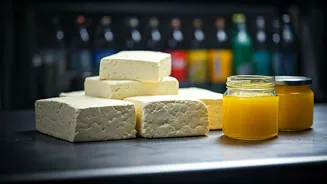
Mustard honey is known for crystallising quickly due to its higher glucose and pollen content. This is why, within just about four to six weeks after harvest, it often turns thick and creamy and even becomes semi-solid. This is why it can look pale, opaque and spreadable, similar to soft ghee.
Regular honey behaves differently. It typically stays liquid for a much longer time before crystallisation occurs, which is why most people are used to seeing honey in a runny form.
Taste And Aroma
The flavour of mustard honey is also quite distinctive. It tends to have a stronger and slightly sharp taste with earthy notes, which makes it stand out from other varieties.
Normal honey usually has a milder, sweeter and more floral flavour, which many consumers find more familiar and easier to use in everyday foods and drinks.
Differences In Colour
Colour is another feature that sets the two apart.
Mustard honey often appears light amber, pale golden or creamy white, especially after crystallisation. On the other hand, Regular honey can range from light golden to dark brown, which depends on the source of the flowers.
How They Are Commonly Used
Because of its thick texture, mustard honey is often used as a spread on toast, mixed into dressings or added to savory marinades to give dishes a unique flavour.
Regular honey is more versatile in daily use. Its liquid consistency makes it easier to add to tea, smoothies, desserts and baking recipes.
Where Mustard Honey Is Produced In India
Mustard honey is one of the major honey varieties produced in India particularly during the winter months. It is mainly harvested in northern states such as Punjab, Haryana, Bihar and Rajasthan, when mustard flowers bloom between December and January. Beekeepers place colonies of Apis mellifera bees in mustard fields during this period to collect nectar.
Punjab is one of the biggest contributors as it produces around 20,000 tonnes of honey, of which nearly 75-80 per cent is mustard honey. Key production regions include Ludhiana, Jalandhar and Patiala in Punjab, Karnal and Panipat in Haryana and Alwar and Bharatpur in Rajasthan.
A significant portion of India’s mustard honey is exported, particularly to Western countries, where monofloral and raw honey varieties are highly valued.
Why Most Indians Prefer Regular Honey
Despite its nutritional value, mustard honey is not as commonly consumed in India as regular honey. One major reason is consumer familiarity.
Large brands such as Dabur and Patanjali have popularised processed polyflora honey which is why the runny, golden variety has become the standard product that is found in most homes.
Another reason is the misconception around crystallisation. Since mustard honey thickens quickly, some people mistakenly believe that it has spoiled or been adulterated.
Price Differences Between The Two
Mustard honey is also often positioned as a premium product in India. Because it is usually raw, unheated and sourced from a single flower type, it tends to be more expensive.
Regular polyflora honey from popular brands typically sells for around Rs 250 to Rs 350 per kg in retail markets.
Raw mustard honey, depending on brand quality and purity certifications such as Nuclear Magnetic Resonance (NMR) testing, can cost anywhere between Rs 500 and Rs 1400 per kg. A 500-gram pack may range between Rs 300 and Rs 700 while normal honey for the same quantity often costs Rs 150 to Rs 250.