







For years, carbohydrates have been put on trial in the fitness world. Scroll through social media, and you will find countless posts blaming carbs for weight gain, sluggishness, and poor fitness results.
Many athletes and fitness enthusiasts respond by cutting carbs drastically, believing that the less they eat, the leaner and stronger they will become.
But here’s the reality: carbohydrates are not the enemy of performance. In fact, for anyone who trains regularly, they are one of the most important fuels the body relies on. The real question isn’t whether to eat carbs, it’s when to eat them.
So, we spoke to Prachi Mandholia, Clinical Nutritionist, to understand how the concept of carb timing becomes far more powerful than simply cutting them out.
Think of carbohydrates as high-quality fuel for the body’s engine. During intense exercise such as running, strength training, cycling, or competitive sports, the body primarily depends on stored carbohydrates known as glycogen. These glycogen stores are kept in the muscles and liver and are quickly converted into energy during physical activity.
When carbs are drastically reduced, these energy reserves drop. Athletes often notice the effects quickly, workouts feel harder, stamina dips, and recovery becomes slower. Many people initially celebrate the quick weight loss that low-carb diets bring, but much of this early loss comes from depleted glycogen and water rather than true fat reduction.
This doesn’t mean carb intake should be unlimited. What matters more is how and when those carbohydrates are consumed.
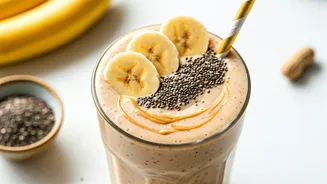
Carb timing focuses on eating carbohydrates at moments when the body can use them most effectively, particularly around physical activity. A balanced meal containing carbohydrates before a workout provides immediate fuel, helping athletes maintain strength, endurance, and focus during training. Even something as simple as a banana with peanut butter, oats with yogurt, or whole grain toast with eggs can supply the body with the energy it needs to perform better.
Post-workout nutrition is equally important. After exercise, muscles are like sponges ready to absorb nutrients and replenish glycogen stores. Consuming carbohydrates along with protein within an hour of training helps restore energy levels and supports muscle repair. This combination reduces fatigue and prepares the body for the next workout.
Carb timing also plays a role in body composition. When carbohydrates are eaten around periods of physical activity, the body is more likely to use them for energy rather than store them as fat. This means athletes can maintain energy levels while still supporting fat loss goals.
Another key factor often overlooked is carbohydrate quality. Whole carbohydrates such as oats, millets, quinoa, fruits, and vegetables provide steady energy, fiber, and important micronutrients. On the other hand, refined carbohydrates like sugary drinks, packaged snacks, and bakery products lead to quick spikes and crashes in blood sugar, leaving the body feeling drained.
Activity level also determines carbohydrate needs. A marathon runner or someone doing intense strength training will naturally require more carbohydrates than a person exercising a few times a week lightly. Nutrition strategies must match the demands placed on the body.
Ultimately, successful fitness nutrition is not about eliminating entire food groups. It is about understanding how the body works and fueling it accordingly. Carbohydrates remain one of the most efficient sources of energy for physical performance. For athletes and fitness enthusiasts chasing both performance and fat loss, the smarter strategy may not be cutting carbs but learning how to time them wisely.