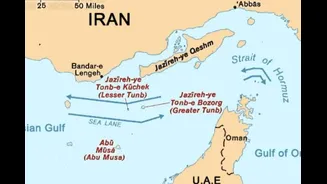







As global natural gas markets reel from the effective closure of the Strait of Hormuz, Russia has launched an aggressive campaign to capture the energy-starved South Asian market. Reports surfaced on Thursday,
indicating that Moscow is offering liquefied natural gas (LNG) from its US-sanctioned facilities at a staggering 40 per cent discount to spot prices. These shipments, primarily originating from blacklisted projects like Arctic LNG 2 and Portovaya, are reportedly being marketed through obscure intermediary firms in China and Russia, complete with offers to forge documentation to hide the fuel’s Russian origin.
Why is Russia slashing gas prices so drastically?
The decision to offer a 40 per cent discount is a calculated response to a perfect storm of geopolitical factors. Primarily, Russia is moving to exploit a massive supply vacuum. Recent attacks on Qatar’s LNG infrastructure—the world’s largest—combined with the blockade of the Strait of Hormuz have throttled nearly 20 per cent of global supply. This has forced traditional buyers in India and Bangladesh to turn to the spot market, where prices have frequently doubled in recent weeks.
By offering such a deep discount, Moscow is presenting an almost irresistible economic lifeline to nations currently being forced to curb gas supply to their critical fertiliser and power sectors. For Russia, the goal is to convert this regional desperation into long-term market share, effectively “locking in” South Asian nations before global supply chains can stabilise.
Is this a sign of desperation or a strategic pivot?
While the move is certainly strategic, it is underpinned by an undeniable sense of urgency. Russia is currently facing a looming “revenue cliff” as the European Union prepares to implement a comprehensive ban on Russian LNG imports. This ban is set to take effect on April 25 for short-term contracts, with a total phase-out by 2027. With its primary European market rapidly evaporating, Moscow must find new homes for the output of its massive Arctic facilities or face a total halt in production.
Currently, China is the only major nation openly utilising a “shadow fleet” of tankers to move sanctioned Russian LNG. By luring South Asian nations with discounts, Russia is attempting to diversify its customer base and reduce its over-reliance on Beijing. This is not merely about clearing inventory; it is a vital attempt to establish new trade routes and financial intermediaries that operate entirely outside the Western-led banking system.
Can South Asian nations actually accept these shipments?
The primary barrier for nations like India and Bangladesh is the threat of secondary US sanctions. Washington has made it clear that any entity facilitating trade with blacklisted projects like Arctic LNG 2 faces severe retaliation. To bypass this, Russian and Chinese intermediaries are reportedly offering “cleansed” paperwork, falsely claiming the gas originated from neutral sources such as Oman or Nigeria.
India, which has taken a conservative stance on sanctioned gas despite its appetite for discounted Russian oil, is now in a difficult position. New Delhi recently purchased its first Iranian oil shipment since 2019 under a temporary US waiver, but whether it will take a similar risk with Russian gas remains to be seen. In Bangladesh, where the energy crisis has reached a boiling point, the economic pressure to accept the 40 per cent discount may soon outweigh the fear of diplomatic backlash. As the “Islamabad Accord” peace talks begin this Saturday, the outcome of regional de-escalation will likely determine whether these “shadow” gas deals become a necessity or a forgotten footnote.