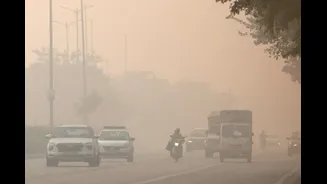

Air pollution during winter in northern Indian cities is not a new phenomenon. Every year, many cities across north India face severe air quality conditions, with the Air Quality Index (AQI) often touching
hazardous levels and remaining there for prolonged periods.
Controlling winter air pollution has proven to be a major challenge for authorities, leading to serious health concerns for residents—especially children, the elderly, and people with asthma or other respiratory conditions.
With rising pollution levels, demand for health insurance has increased among urban residents. Those who do not already have coverage and are looking to buy health insurance often wonder whether worsening air quality makes policies more expensive.
Experts have a clear answer: yes, air pollution does make health insurance costlier over time.
How Air Pollution Impacts Health Insurance Costs
According to Jignesh Purohit, Senior Vice President – Employee Benefits, Alliance Insurance Brokers, air pollution contributes to higher health insurance costs, primarily due to an increase in pollution-related health claims.
“Air pollution directly exposes people to higher health risks, which results in a rise in hospitalisation claims,” Purohit said.
He explained that insurers operating in highly polluted urban regions are witnessing a growing number of health-related claims. “This leaves insurers with little choice but to adjust premium levels over time to ensure the sustainability of the health insurance segment,” he added.
While insurers do not increase premiums immediately due to pollution, a sustained rise in claims in specific regions can lead to higher premiums in the long run, experts say.
What Policyholders Often Miss
Sarita Joshi, Head of Health and Life Insurance at Probus, pointed out that many policyholders are unaware that health insurance usually comes into play only when pollution-related illnesses become severe enough to require hospitalisation.
“Conditions such as severe asthma attacks, bronchitis, or cardiac events triggered by pollution are typically covered,” she said.
However, she noted that everyday expenses linked to polluted air—such as frequent doctor visits, inhalers, breathing tests, and long-term medication—are mostly paid out of pocket.
“This is why consumers should look beyond just premiums or sum insured. Understanding waiting periods, OPD cover, and benefits for chronic conditions is crucial,” Joshi added.