






US-Iran War: Ever wondered how Iran is challenging the US during the war? The answer may lie in a new form of modern warfare that extends beyond missiles and the battlefield. Tehran allegedly used mobile
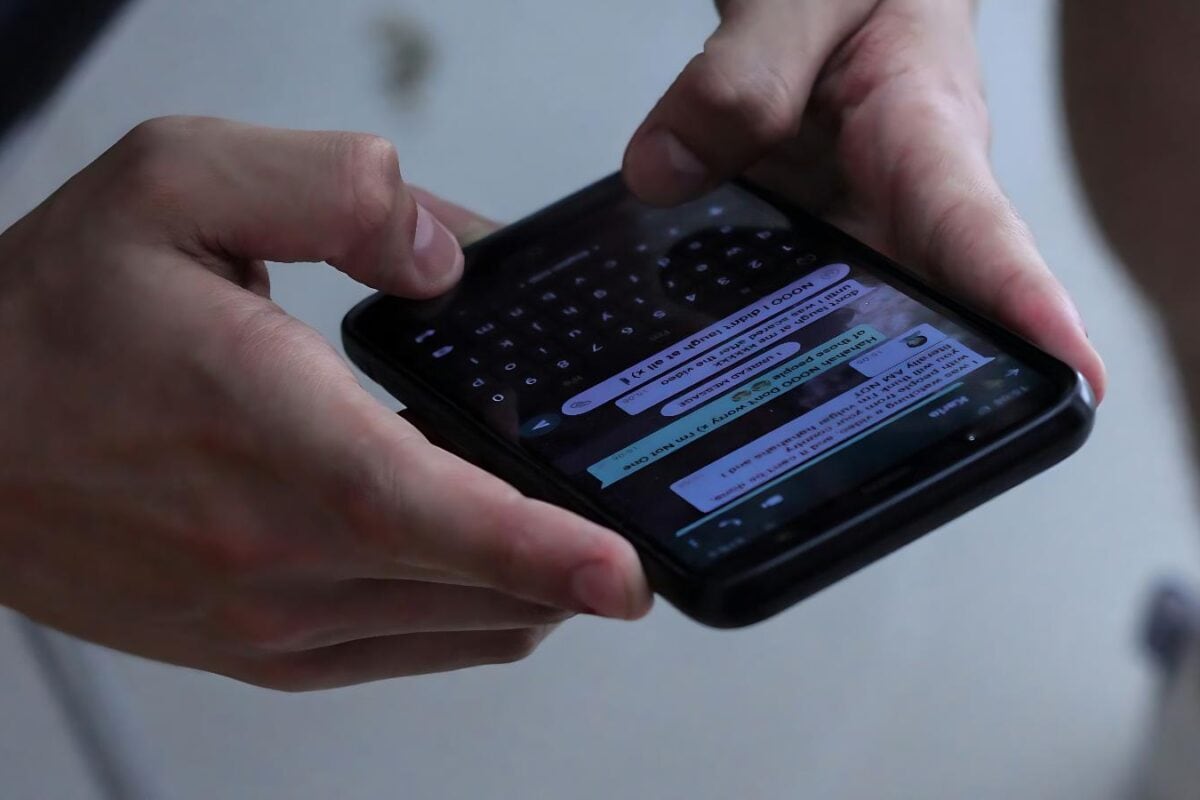
networks across the Middle East to track the locations of US military personnel and contractors during the Iran war, according to a report by the Financial Times (FT), citing telecommunications data, cybersecurity experts and officials familiar with the matter.
The report said US lawmakers were alarmed by the findings, warning that weaknesses in roaming systems and smartphone advertising technology may have left American forces vulnerable during the conflict.
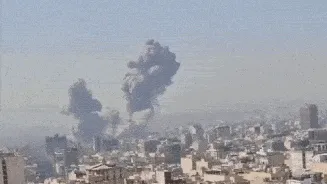
According to the report, the alleged surveillance campaign took place in the weeks leading up to the US-Israeli military operation against Iran in late February and continued after Tehran responded with missile and drone attacks on US bases across the region.
West Asia telecom networks hacked?
The Financial Times reported that telecommunications data from the Mobile Surveillance Monitor research project showed a rise in suspicious location requests known as SS7 pings.
SS7 is a signalling protocol used by telecom companies to allow mobile phones to connect while roaming outside their home networks. If exploited, it can reveal the approximate location of a mobile phone without the user’s knowledge.
According to the newspaper, two cybersecurity experts who reviewed the data said the volume and pattern of the requests suggested a coordinated effort aimed at locating specific devices rather than random activity.
Officials in Gulf countries suspected Iran or groups linked to Tehran of exploiting roaming agreements with regional telecom providers to identify the locations of US military personnel and contractors.
The report added that Iranian mobile operators maintain roaming agreements with telecom networks across the Gulf, giving them the technical capability to send such requests beyond Iran’s borders.
Smartphone data accessed
The alleged surveillance campaign was not limited to telecom infrastructure. According to the report, US officials also believe actors linked to Iran misused commercially available smartphone advertising databases to identify the locations of phones in Iraq’s semi-autonomous Kurdistan region.
Advertising technology routinely gathers location data from smartphones to deliver targeted advertisements. National security experts have long warned that such information can also be purchased or accessed to monitor individuals without directly hacking their devices.
A US official, speaking on condition of anonymity, told the newspaper that actors linked to Iran had abused commercially available advertising databases to track phones in northern Iraq.
Cyber risks
Gary Miller, a senior research fellow at cybersecurity watchdog Citizen Lab who reviewed the telecommunications data, told the Financial Times that Iran has the capability to obtain continuous location information. “Iran absolutely has capabilities to get real-time, immediate and continuous location information,” Miller was quoted as saying.
“It would surprise me very much if Iran were not using SS7, or mobile network access in the region, to track US users.”
Miller also reviewed parts of the telecom data and said at least some of the blocked tracking attempts appeared to originate from an Iranian mobile operator. “This appears to be very specific user targeting,” he said. “They are targeting specific devices.”
According to the report, telecom operators noticed unusual patterns in location-query requests from roaming devices and blocked many of them.
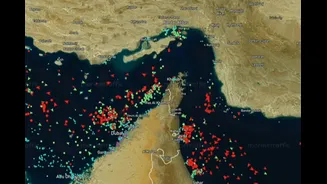
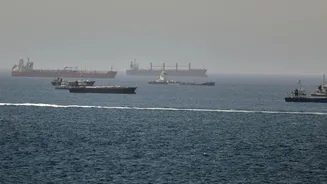
The Iran-US war once again flared up last week after attack on ships in Strait of Hormuz. Trump has also cancelled his ceasefire MoU with Iran.