







We all have a chronological age, the number we celebrate on our birthdays but our biological age tells a more honest story about how well our bodies are truly functioning at the cellular level.
Two people
of the same age can have completely different biological profiles depending on how well their muscles, heart, and nervous system are holding up. Meanwhile, subtle declines often go unnoticed until they start affecting daily life—like feeling unsteady, getting tired quicker, or struggling with simple movements.
Factors like muscle strength, balance, flexibility and cardiovascular fitness often reveal whether we are ageing faster or slower than our years suggest.
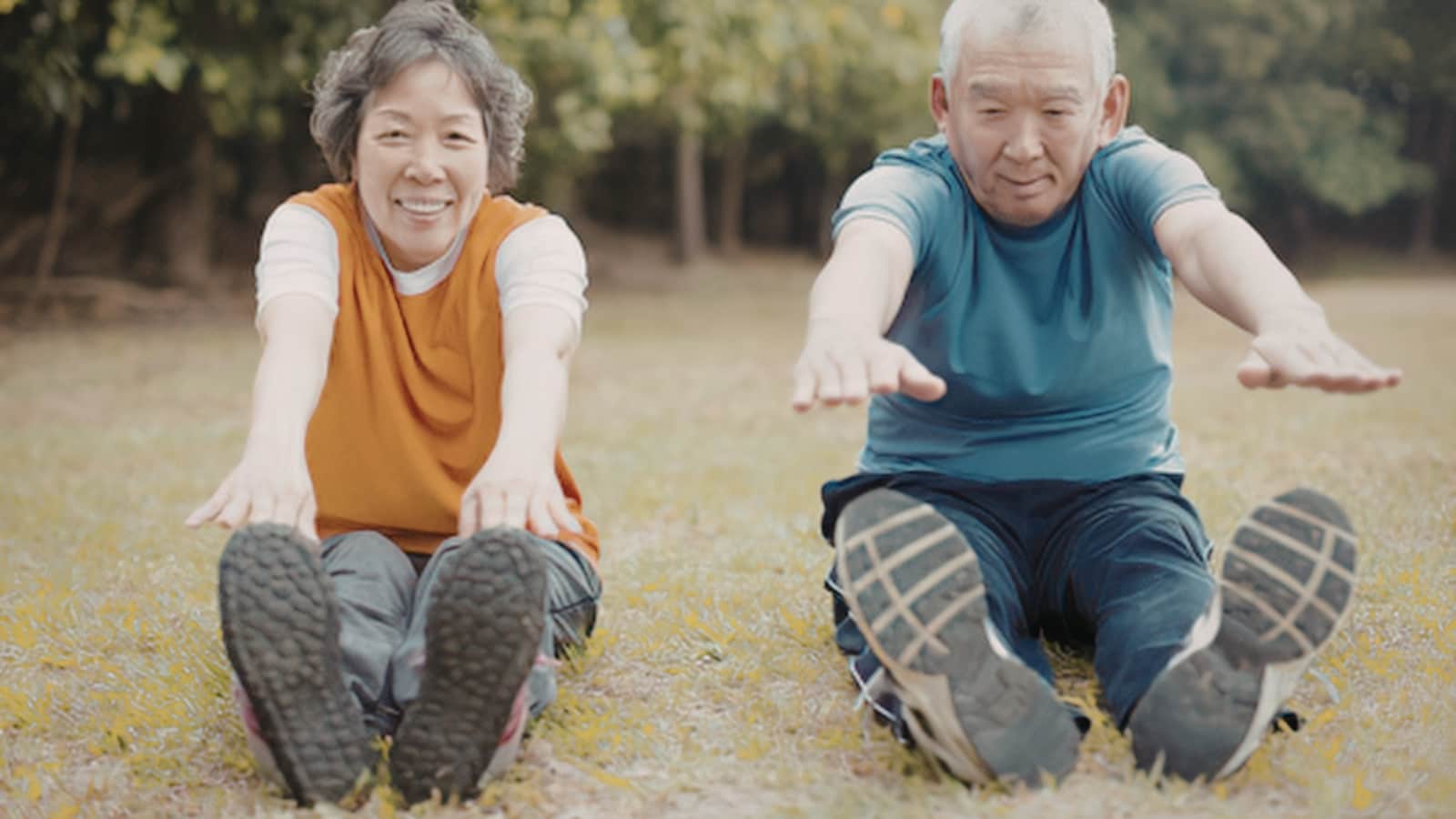
The good part is you don’t need a lab test to get a reality check. You don’t need expensive lab tests or fancy gadgets. Here are five simple, no-equipment tests you can do at home to get a clear picture of your biological age especially useful if you are over 50.
1. The Flamingo Balance Test (One-Leg Stand)
Stand near a wall or chair for safety. Lift one foot slightly off the ground and time how long you can balance with eyes open, then try with eyes closed. Repeat on the other leg. According to health benchmarks, healthy adults in their 50s can often hold the position for 30 seconds or more. Performance drops noticeably with age as the brain’s balance systems (visual, inner ear and muscle feedback) weaken. Struggling below 20 seconds may signal faster biological ageing and higher fall risk.
2. Sit-to-Stand Test
Sit on a sturdy chair with arms crossed over your chest. Stand up fully and sit back down as many times as possible in 30 seconds (or time how long it takes to do five repetitions). This test measures lower-body strength, power and mobility. Fewer than 10–12 stands in 30 seconds for someone in their 50s–60s can indicate reduced muscle mass and functional decline.
3. Grip Strength Test
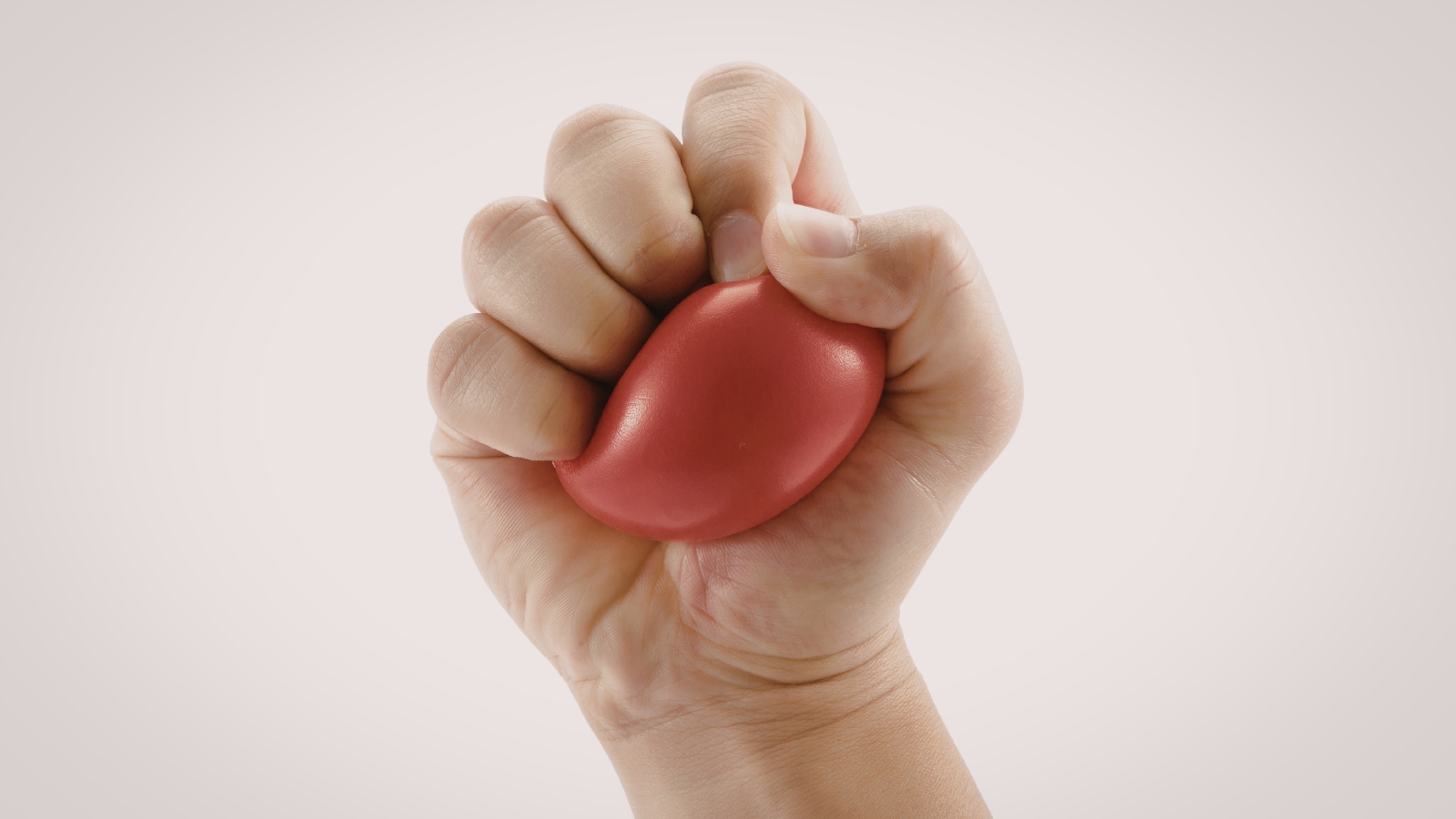
Squeeze a tennis ball or hand dynamometer (or simply test how firmly you can grip and hold) in each hand for as long as possible. Compare both sides. Grip strength is considered a strong predictor of overall vitality. Weak grip has been linked in large studies to higher risks of heart disease, frailty and even earlier mortality. It reflects total-body muscle health.
4. Sit-and-Rise Test (Floor Test)
From a standing position, sit down on the floor and then stand back up using as little support from hands or knees as possible. Score yourself out of 10 (subtract points for using hands, knees or losing balance). This classic test evaluates strength, flexibility, balance and coordination in one movement. A lower score is associated with reduced longevity and daily functional ability.
5. Push-Up Test
From a standard plank position (or modified on knees), count how many continuous push-ups you can complete with good form. Upper-body strength and endurance matter more than many realise. Being able to do 10–15 proper push-ups in middle age often correlates with better heart health and slower biological ageing.
If your results feel lower than expected for your age, view it as valuable feedback rather than bad news and consult your doctor for changes you can make to better your age, health and lifestyle.